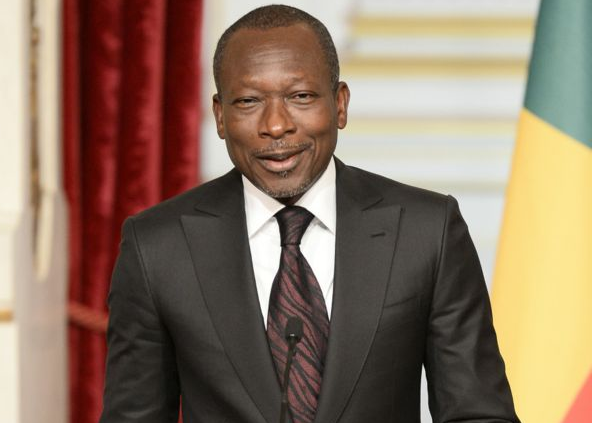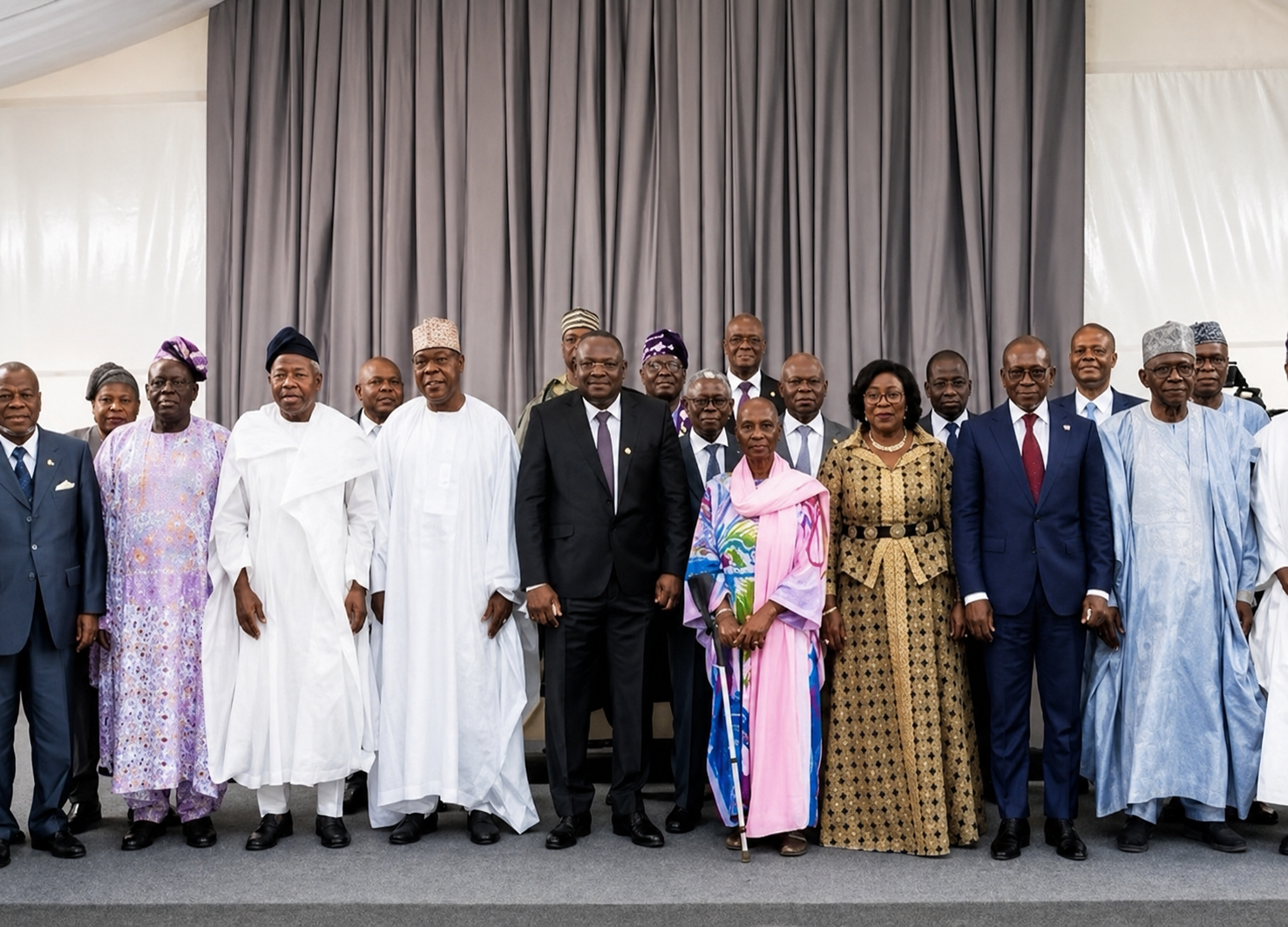
The inauguration of Bénin’s first Senate on July 30, 2026, followed by former President Patrice Talon’s election as its president on August 6, marked a significant milestone in the country’s institutional evolution. Established through the constitutional revision of December 17, 2025, this second parliamentary chamber introduces a new dynamic into Bénin’s governance structure.
Constitutional foundation, not political maneuvering
The Senate is not a creation of Patrice Talon’s administration it emerged directly from the 2025 constitutional amendments. The revised Constitution explicitly outlines the bicameral structure of Bénin’s Parliament, defining the Senate’s composition, functions, and operational rules. This institution stands on solid legal ground, independent of the individual holding its presidency.
The debate surrounding the Senate’s creation may legitimately focus on its structure, efficiency, or necessity. However, it is crucial to distinguish between institutional design and personal influence. The Senate’s existence is a matter of constitutional law, not a tool for extending executive authority.
Patrice Talon’s role: influence without executive power
Former President Talon’s election as Senate president has fueled speculation about his potential political sway. As a former head of state, his transition to this role naturally raises questions about his continued impact on national affairs.
Yet constitutional reality supersedes political perception. Talon relinquished the presidency after two terms, and Romuald Wadagni was elected as his successor in April 2026, assuming office on May 24. The transfer of executive power was completed, and Talon’s new position does not equate to a resumption of presidential duties.
The Senate president does not inherit the powers of the presidency. The Constitution vests executive authority solely in the sitting president, who directs the government and administration. The Senate, by contrast, operates within the legislative branch, as outlined in Article 79, which designates Parliament as the body responsible for legislation and executive oversight.
Regulation, not governance: clarifying the Senate’s mandate
A common misconception portrays the Senate as a shadow government capable of undermining institutional balance. In truth, its role is regulatory rather than executive. The Senate’s primary responsibilities include safeguarding national unity, democratic principles, political stability, and state continuity. It also monitors adherence to political truce and ethical standards in governance.
These functions are substantial but do not confer governing authority. Regulation differs fundamentally from administration oversight does not replace execution. The Senate neither replaces the presidency nor the government; it complements the parliamentary framework.
Legislative authority with constitutional safeguards
While the Senate is not a ceremonial body, its powers are carefully circumscribed. Certain critical laws including constitutional amendments, electoral reforms, and political party regulations require the Senate’s not objection before enactment. A two-thirds majority is necessary to raise objections, and silence within the prescribed timeline is treated as approval.
The chamber may also request a second review of laws passed by the National Assembly, with exceptions for financial bills and certain program laws. This mechanism ensures thorough legislative scrutiny without encroaching on executive functions.
A chamber of experience: balancing democracy and stability
Bénin’s Senate stands out for its composition. The Constitution mandates the inclusion of former high-ranking officials, defense and security sector veterans, and additional members to meet the minimum of 25 senators. This structure positions the Senate as a forum for institutional wisdom, where seasoned leaders contribute to dialogue, crisis prevention, and consensus-building.
In a democracy, majoritarian decision-making is not the sole path to stability. Constructive debate, mediation, and conflict resolution are equally vital. The Senate’s design reflects this philosophy, offering a platform for experienced voices to shape governance without disrupting the balance of power.
Political influence vs. constitutional limits
Critics argue that Patrice Talon’s Senate presidency could enable covert influence. While it is undeniable that a former president retains networks and expertise, this does not translate into legal authority. The pertinent question is not whether influence exists—but whether it can legally supersede the president’s constitutional powers.
The answer lies in the separation of roles. The Senate operates within defined competencies, while the executive remains firmly under the sitting president’s authority. The true test of institutional integrity lies in adherence to these boundaries, not in speculative claims of power consolidation.
Continuity without usurpation: evaluating political transitions
The handover from Talon to Wadagni in 2026 has been framed as political continuity, given Wadagni’s background as Talon’s former Finance Minister and his landslide victory in the presidential election. While critics may question the depth of this transition, continuity does not inherently equate to institutional overreach.
A functioning democracy may experience policy continuity without constitutional ruptures. The real test lies in whether institutions operate within their mandates, responsibilities remain distinct, and oversight mechanisms function effectively.
The benchmarks for assessing the Senate’s success
As a new institution, the Senate’s efficacy will be measured not by intentions or fears but by its daily operations. Key indicators include:
Its ability to exercise powers without becoming a rubber-stamp body;
The quality of its dialogue with the National Assembly;
Its relationship with the executive branch;
The use of its legislative review authority;
Its role in fostering political stability and consensus.
Additionally, senators must uphold the constitutional obligation of political reserve, refraining from partisan activism. The Senate’s success will hinge on its commitment to these principles rather than the influence of any individual member.
Defining institutional roles: president, Senate, and government
To dispel misconceptions, clarity on institutional roles is essential. The president leads the executive branch, the government implements policy, and the Parliament comprising the National Assembly and Senate legislates and regulates. The Constitutional Court oversees constitutional compliance and resolves institutional disputes.
In this framework, Patrice Talon’s Senate presidency does not reinstate his executive authority. His political experience may shape discussions, but it does not grant him the powers of the presidency. The distinction between influence and institutional power is the cornerstone of a balanced assessment.
Moving beyond speculation: the Senate’s true test
The debate over the Senate’s creation is valid, but it must be grounded in facts. The institution is constitutionally grounded, equipped with specific powers, and integrated into Bénin’s bicameral system. Its president is not a de facto president, nor are its functions those of the executive branch. Its existence does not diminish the president’s constitutional responsibilities.
The path forward for Bénin hinges on the Senate’s ability to fulfill its constitutional mission: enhancing legislative quality, promoting political stability, and preserving democratic integrity. The era of speculation must give way to tangible evaluation the Senate is now a reality, and its performance will determine its legacy.