Senegal constitutional council blocks pastef’s reform push, weakening ousmane sonko’s position
july 10, 2026constitutional hurdles halt pastef’s reform agenda
The rejected reform sought to restructure Senegal’s political institutions, including the creation of a new constitutional court and expanded parliamentary oversight. However, the Council identified two major constitutional violations: the absence of a funding mechanism for the proposed constitutional court and procedural irregularities in the amendment process.
The reform was fast-tracked through the National Assembly, where the ruling party holds a strong majority. But President Bassirou Diomaye Faye, who referred the matter to the Council, emphasized the need for strict adherence to constitutional procedures. The Council’s ruling underscores the legal limits of majority rule in Senegal’s democracy.
political reactions: from disappointment to calls for dialogue
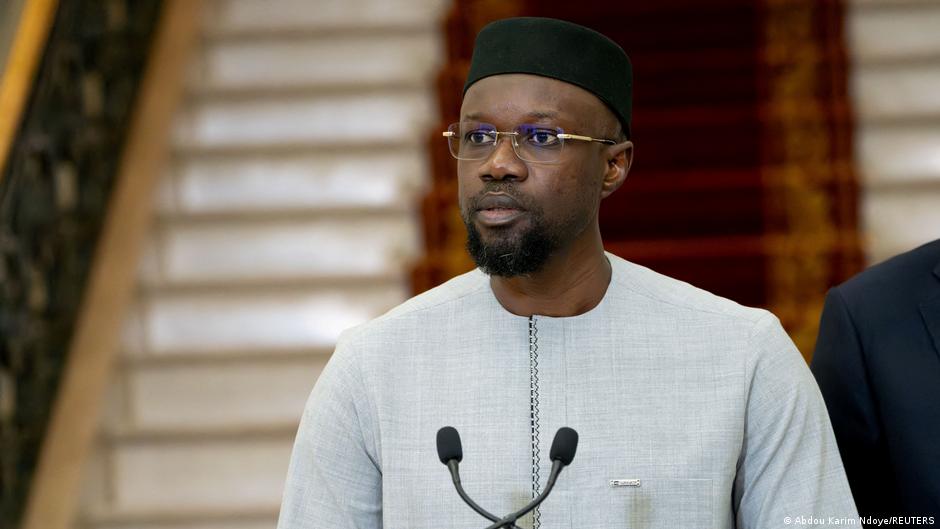
Ousmane Sonko acknowledged the Council’s decision in a public statement, while the presidential coalition defended the reform process as a legitimate exercise of democratic governance. Political analyst Adji Diarra Mergane Kanouté, leader of the USD/A party and head of the Ensemble Demain coalition, noted that while the decision closes one chapter, it does not foreclose future legislative efforts—provided they comply with constitutional requirements.
“The Council’s rejection of the reform is a reminder that even with a parliamentary majority, constitutional safeguards must be respected. The absence of compensatory funding for the proposed constitutional court, as required under Article 82, and the failure to follow proper amendment procedures were fatal flaws. However, this does not mean the National Assembly cannot revisit the issue if it adheres to the Constitution.”
Another contentious provision in the reform would have expanded parliamentary investigative powers, particularly over natural resource contracts and previously restricted domains. While the Council did not rule on this aspect, it remains a source of contention in the ongoing political debate.
power struggle at the heart of senegalese politics
The constitutional setback comes amid growing tensions between Sonko and President Bassirou Diomaye Faye. Sonko, who was removed from the Prime Minister’s office in May, has since taken up the presidency of the National Assembly. His recent public remarks have framed the relationship with the president as a “cohabitation”, a term traditionally used in French politics to describe divided executive power between rival parties.
Observers see the Council’s decision as another chapter in the deepening rift between Sonko and the president. The political fallout could reshape Senegal’s governance landscape, with potential long-term consequences for the country’s democratic institutions.
Civil society leader Dr. Binette Ndiaye, coordinator of the Citizen Forum, praised the Council’s ruling, emphasizing the need for inclusive governance. “This decision sends a strong message: even with a majority, political actors must engage in genuine dialogue and consensus-building. The Council has reaffirmed that Senegal is a republic governed by law, not by partisan interests.”
The political climate remains tense as both leaders navigate their evolving relationship and the broader implications for Senegal’s future.