Senegal politics: constitutional council blocks PASTEF reforms
Constitutional council rejects PASTEF’s institutional reforms
The Senegalese Constitutional Council has struck down the institutional reforms proposed by the PASTEF parliamentary majority. The council ruled that the reforms, championed by Ousmane Sonko’s supporters, violated constitutional provisions. The reforms aimed to rebalance powers between state institutions but were deemed legally flawed.
The council’s decision was based on two critical irregularities: the lack of funding provisions for the proposed Constitutional Court and procedural violations during parliamentary debates on government amendments. President Bassirou Diomaye Faye himself referred the matter to the council, highlighting the gravity of the constitutional breaches.
Legal and political implications
Adji Diarra Mergane Kanouté, former MP and leader of the USD/A party, emphasized that while the council’s decision invalidates the reforms, it does not preclude future legislative efforts. She noted that any new proposal must comply with constitutional requirements, particularly regarding public funding for institutions like the Constitutional Court. The council also highlighted procedural violations in parliamentary voting, reinforcing its authority to uphold constitutional integrity.
“The council’s ruling underscores that even with a parliamentary majority, procedural and financial compliance with the constitution is non-negotiable. This decision protects the republic’s foundational principles,” she stated.
Political fallout and reactions
The reforms included provisions to strengthen parliamentary oversight, particularly in natural resource contracts and previously restricted domains. Political reactions were swift: Ousmane Sonko acknowledged the council’s decision on social media, while the presidential coalition defended the institutions’ proper functioning and called for continued reform discussions.
Dr. Binette Ndiaye, coordinator of the Citizen Forum, praised the council’s arbitration, stating:
“As a civil society member, I commend this decision. The reforms lacked inclusivity and appeared to prioritize partisan interests over national consensus. The council’s intervention reaffirms that constitutional amendments require broad dialogue, not unilateral action.”
Rising tensions in Senegalese politics
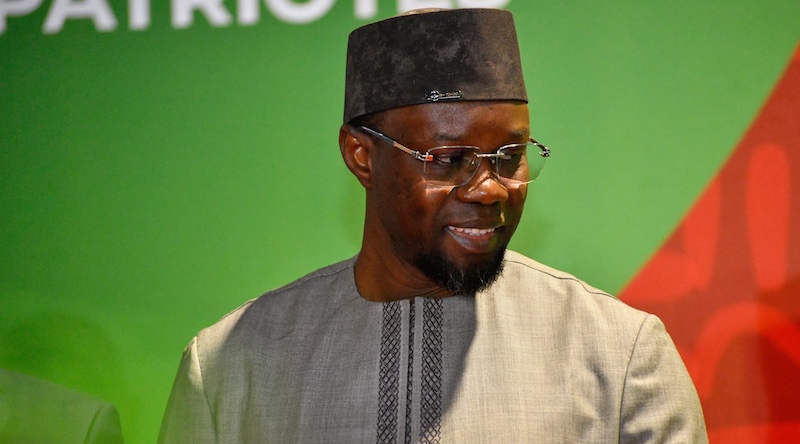
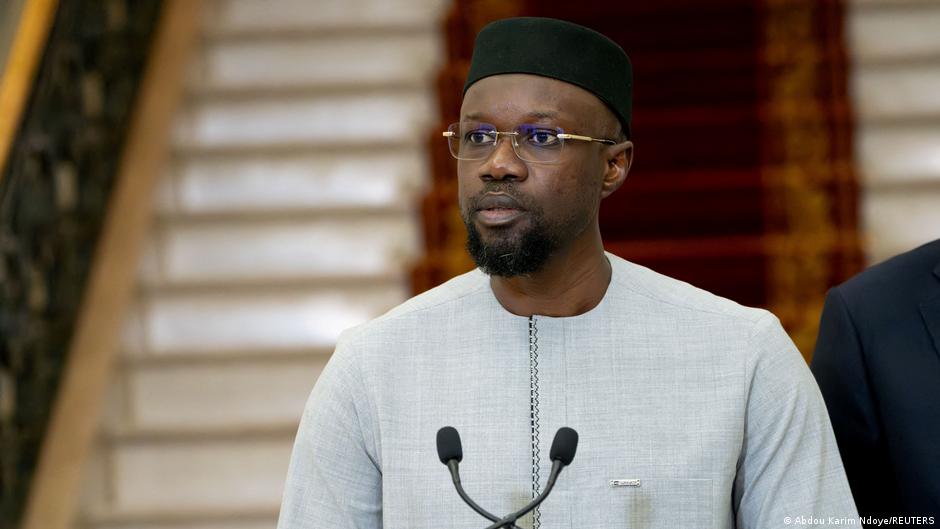
The council’s decision arrives amid escalating tensions between Ousmane Sonko and President Bassirou Diomaye Faye. Sonko, who was removed from the Prime Minister’s office in May, has since assumed the presidency of the National Assembly. His recent remarks about a “cohabitation” with the president have fueled speculation about a growing rift at the heart of Senegal’s political leadership.
Many analysts view the council’s ruling as another chapter in the deepening rivalry between the two figures, which could reshape Senegal’s political landscape in the coming years.