Senegal’s constitutional council strikes down Pastef reforms
The Senegalese Constitutional Council has struck down the institutional reforms proposed by the majority parliamentary group of Pastef, dealing a significant blow to the ambitions of Ousmane Sonko. The reforms, which aimed to rebalance institutional powers, were deemed unconstitutional by the Council following a review requested by President Bassirou Diomaye Faye.
The decision highlights two critical legal breaches: the lack of a financial framework for the future Constitutional Court envisaged in the reforms, and procedural violations during the parliamentary examination of government amendments. These omissions directly contravened constitutional provisions outlined in Article 82, paragraph 2, and Article 82, paragraph 4.
Adji Diarra Mergane Kanouté, former deputy and leader of the USD/A party, emphasized that while the decision effectively halts the referendum process, it does not eliminate the possibility of future legislative revisions. She noted, “The Council’s ruling confirms the need to comply strictly with constitutional procedures, particularly regarding public expenditure and parliamentary voting rules.”
Key points of contention
One of the most sensitive provisions in the rejected reforms was the expansion of parliamentary investigative powers. The proposed changes would have granted lawmakers broader access to contracts related to natural resource exploitation and enhanced oversight in previously restricted areas.
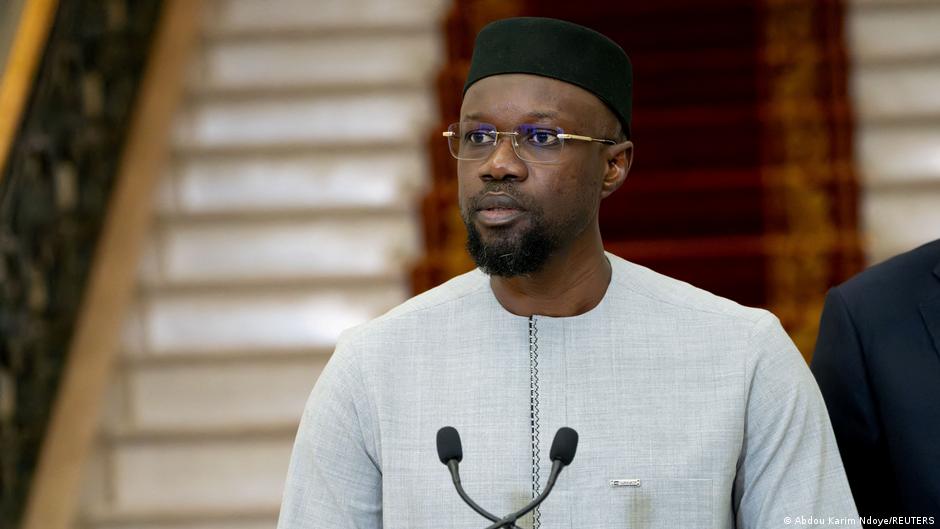
Political reactions were swift. Ousmane Sonko acknowledged the Council’s decision via social media, while the presidential coalition underscored the importance of institutional stability and continued dialogue on reform. Dr. Binette Ndiaye, coordinator of the Citizen Forum, praised the Council’s role in upholding constitutional integrity.
Dr. Ndiaye stated, “This decision should be celebrated as it reinforces the principle of inclusive governance. Even with a majority, it is essential to engage in meaningful dialogue and consensus-building before altering constitutional provisions.”
Political tensions escalate
The Council’s ruling arrives amid growing tensions between Ousmane Sonko and President Bassirou Diomaye Faye. Sonko, who was removed from the Prime Ministership in May, has since assumed the role of National Assembly President. His recent public remarks have framed the relationship as one of ‘cohabitation,’ reflecting deepening divisions within the ruling coalition.
Analysts view the invalidation of the reforms as another chapter in the escalating power struggle at the heart of Senegal’s political landscape, with potential long-term implications for the country’s governance and stability.