Why governments are pushing for emergency supplies now
From Northern Europe to the Middle East, policymakers are shifting from silent warnings to direct action. The message is clear: citizens must prepare for severe disruptions that could last days. While governments historically advised stockpiling for natural disasters, today’s threats—cyberattacks, sabotage, and potential military escalations—demand broader readiness. The goal is not to instill fear but to ensure communities can endure without immediate support.
In Europe, this shift is already underway. On October 22, British authorities launched a national preparedness campaign, urging households to store enough food, water, and medical supplies for at least 72 hours. The initiative includes flashlights, first-aid kits, battery-powered radios, and cash reserves. Officials cited risks ranging from extreme weather to targeted attacks on critical infrastructure as justification for the push.
Northern Europe ramps up civil defense measures
Britain is not alone. Finland, Sweden, Poland, and Baltic states are accelerating civil defense programs, strengthening shelters, early-warning systems, and strategic reserves. Finland has expanded its national grain reserves to cover nine months of consumption, a move aimed at ensuring food security regardless of external disruptions. The 2022 invasion of Ukraine served as a stark reminder: war doesn’t just threaten soldiers—it paralyzes entire societies by disrupting power grids, supply chains, and public services.
Rising Russian assertiveness under scrutiny
Western intelligence agencies warn that Moscow may test NATO’s cohesion through covert operations rather than open conflict. In August 2026, U.S. intelligence assessments highlighted concerns over potential cyberattacks, sabotage, and hybrid threats targeting Alliance members. While no imminent invasion is expected, the strategy appears designed to probe vulnerabilities and gauge Allied responses. These findings underscore why governments prioritize rapid-response readiness over long-term planning.
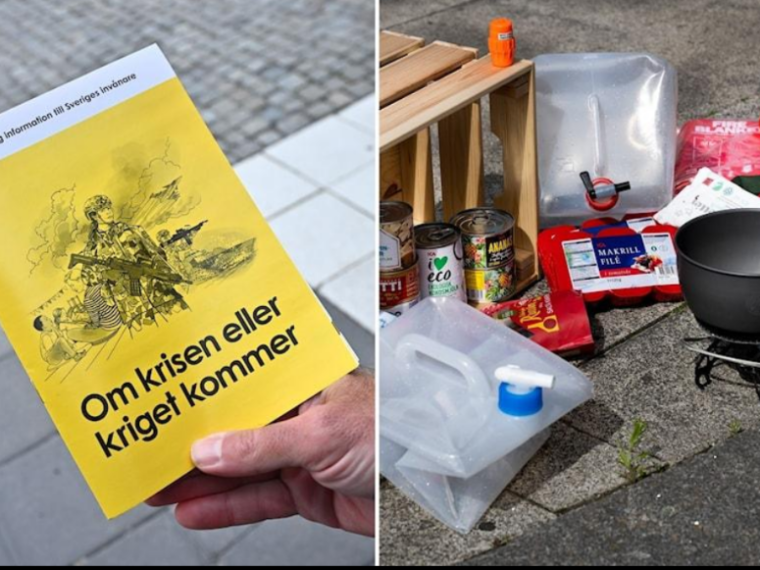
The message to citizens is straightforward: a few days’ worth of supplies can stabilize households until emergency services recover. Water purification methods, non-perishable food, backup power sources, and manual communication tools—like battery radios—are now part of mainstream civil defense advice.
Middle East faces dual threats from Iran and regional allies
The geopolitical fault lines in the Middle East have deepened further. In February 2026, joint U.S.-Israeli strikes against Iranian targets triggered retaliatory strikes on Gulf states, exposing the region’s fragility. The United Arab Emirates reported missile launches and drone incursions allegedly originating from Iran. These incidents highlight how regional tensions can disrupt global trade, energy supplies, and civilian life—even outside active war zones.
The impact extends beyond military sites. Critical infrastructure—ports, airports, oil facilities, and electrical grids—becomes a target, directly affecting food prices, fuel availability, and basic goods. In response, emergency preparedness is no longer just a personal choice; it’s a collective necessity to cushion the blow of indirect conflict consequences.
China-North Korea nexus adds new strategic layer in Asia
Farther east, the growing ties between Beijing and Pyongyang have raised eyebrows. On October 15, the reopening of a major border bridge between China and North Korea underscored renewed economic collaboration. Days later, Kim Jong-un visited Dandong, China, signaling a strategic realignment with historic roots. While this rapprochement does not imply an immediate joint offensive, it adds to the complex web of global tensions that could trigger simultaneous crises.
North Korea’s deepening military cooperation with Russia further complicates the strategic landscape. The convergence of interests among these states serves as a reminder: localized conflicts can cascade into broader instability, affecting supply chains and regional stability.
Resilience, not panic: a new era of shared responsibility
The surge in emergency guidelines reflects a fundamental shift. Governments now view their populations as active participants in crisis mitigation—not just as casualties. NATO reinforced this approach in September 2026 by mandating enhanced resilience standards, covering energy, food, water, communications, and essential services continuity.
For individuals, this translates into practical steps: maintaining a 72-hour supply of staples, learning basic survival skills, and staying informed about official protocols. It’s not about living in constant fear—it’s about reducing vulnerability. Today’s world is defined not only by where wars are fought, but by how societies endure when critical systems fail. Personal preparedness has quietly become a cornerstone of national security.