In the far north of Cameroon, a decisive shift is reshaping cross-border commerce. After years of paralysis caused by Boko Haram, the Cameroon-Nigeria trade corridor is experiencing an unprecedented revival. Improved security measures have unlocked billions in customs revenue and reignited economic activity that directly benefits local populations.
From paralysis to progress: how security transformed a critical trade route
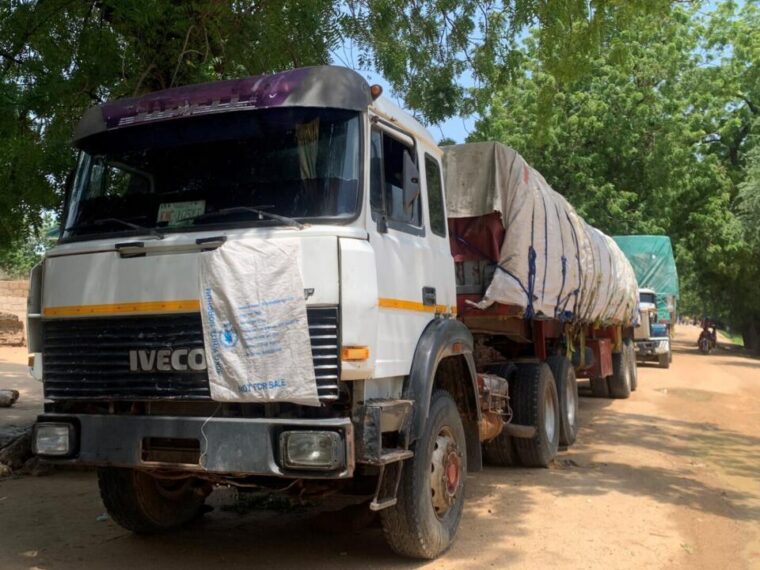
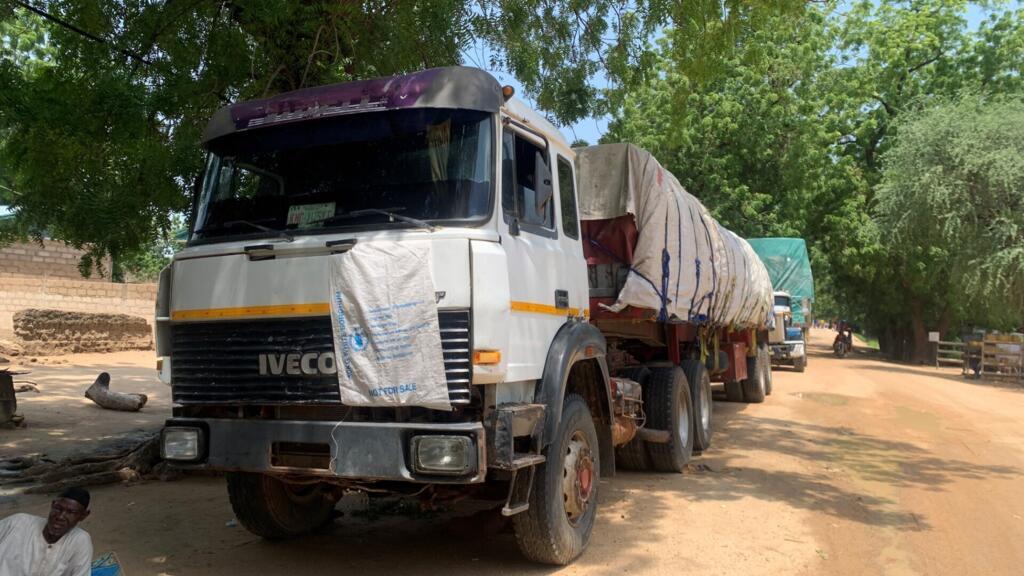
Since 2019, commercial traffic between northern Nigeria and Cameroon’s Far North region has gradually resumed. The transformation is most visible along the Kourgui-Amchidé-Yagoua corridor, where convoys that once faced constant Boko Haram threats now move freely. Nigerian truck driver Aboubacar Mahamed, transporting millet to N’Djamena, confirms the change: “From Kano through Maiduguri, Banki to Kourgui, we encountered no issues. Security from Kourgui to Amchidé and Yagoua has been solid. No problems on the road at all.”
While the situation has improved, drivers maintain caution. Mahamed explains why timing is crucial: “The Rapid Intervention Battalion troops are doing great work, but if a truck breaks down between 6 PM and 7 PM, it’s better to spend the night in the village or bush. Starting at 6 AM and stopping around 5 PM is much safer.”
Customs revenue soars as trade rebounds
The economic impact is undeniable. The Limani customs office, closed in 2014 due to Boko Haram attacks, reopened seven years ago and is now processing record volumes. Celestin Delanga, a security analyst at the Institute for Security Studies, highlights the broader implications: “Cameroon exports food products and livestock to Nigeria while importing fuel, textiles, electronics, and spare parts. This exchange strengthens economic security across the region.”
The figures tell a remarkable story. Customs revenue for the first nine months of 2026 reached 741 billion CFA francs—up from just 1 billion in 2023. This surge reflects not just improved security but also the resilience of communities that have endured years of violence and environmental challenges.
A lifeline for communities facing climate crises
Delanga emphasizes how cross-border trade has become essential for local survival: “Two years ago, floods destroyed crops and livelihoods. This year, drought has crippled the rainy season. The commercial corridor has become a lifeline for communities struggling to cope.”
The revitalized trade route is more than an economic opportunity—it’s a strategic turning point for Cameroon and Nigeria’s shared border region. With security improving and commerce flowing again, the corridor represents hope for a region still rebuilding from Boko Haram’s devastating legacy.