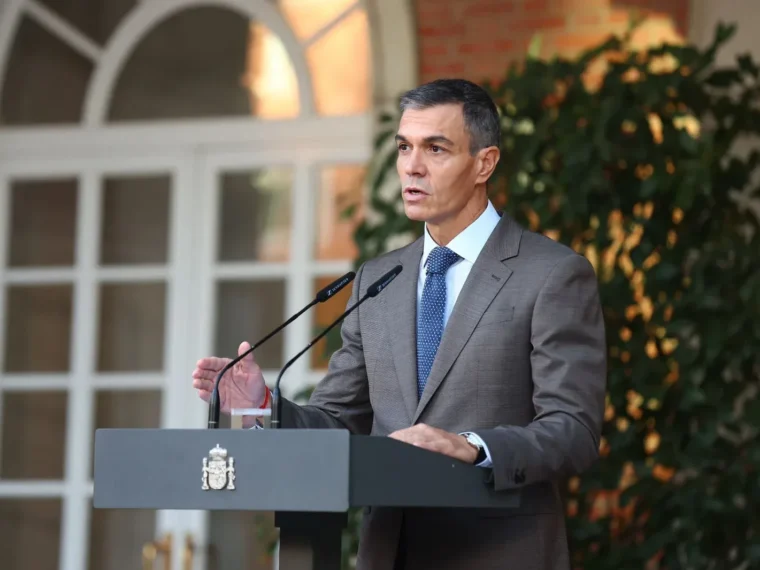
The housing crisis in Spain has reached a decisive turning point. After parliament rejected key measures aimed at easing the nation’s worsening housing emergency, Prime Minister Pedro Sánchez has called for snap elections. The move marks a high-stakes gamble to break the political deadlock and restore momentum on a critical social issue.
The decision comes amid soaring rents, spiraling home prices, and a severe shortage of affordable housing. In major cities like Madrid, Barcelona, and Valencia, families struggle to find stable accommodation, while rising costs push young professionals and students further away from independence. The government’s proposed reforms—designed to boost social housing construction, strengthen tenant protections, and curb real estate speculation—failed to secure enough parliamentary support.
Why the housing crisis became the government’s breaking point
Pedro Sánchez’s administration had pushed for sweeping changes, including incentives for affordable housing projects and stricter regulations on short-term rentals that have displaced long-term residents. Yet, opposition parties criticized the plan as either too ambitious or insufficiently market-driven, leaving Sánchez without the votes to pass it.
The rejection of the housing reform bill exposes deep political fractures. Unable to push through legislation in a divided parliament, Sánchez has gambled on a fresh electoral mandate. The move is both a strategic shift and a last-resort attempt to regain control over a worsening social crisis that has left millions frustrated.
« Housing is no longer just an economic issue—it’s a defining challenge for Spain’s future, » Sánchez stated in addressing the crisis. By calling early elections, he aims to bypass legislative gridlock and secure broader public backing for his renewal agenda.
How the housing emergency is reshaping Spain’s political landscape
The snap elections will center on affordability, housing supply, and justice for renters. Political parties are racing to propose solutions that resonate with a population increasingly alarmed by the cost of living and the erosion of housing security.
For Sánchez’s governing coalition, the vote represents both opportunity and peril. A strong showing could empower him to push forward a retooled housing strategy, including expanded public investment and anti-speculation measures. A weak result, however, could force a shift in policy—or even a change in government, with parties advocating market-driven alternatives gaining ground.
Meanwhile, opposition leaders have seized on the crisis to challenge the government’s record. They point to years of rising rents, inadequate social housing output, and limited progress in cooling speculative investment as proof of systemic failure. Voters, particularly younger generations, are demanding action—and the upcoming elections will test whether any party can deliver real solutions.
Who is most affected by Spain’s housing crisis?
The housing emergency disproportionately impacts young adults and middle-class families. Many young professionals in their 20s and 30s find themselves trapped in extended stays with parents or in overpriced shared flats, unable to save for a down payment or qualify for a mortgage. In tourist hotspots, the surge in short-term vacation rentals has further reduced the availability of long-term housing, pushing residents out of central neighborhoods.
Young families face even greater challenges. With wages stagnant and housing costs surging, many are forced to relocate farther from city centers, trading convenience for affordability. The crisis has also widened regional disparities, with rural areas suffering from depopulation while urban centers become increasingly unaffordable.
What’s next? The stakes of Spain’s housing election gamble
As Spain prepares to vote, the housing crisis remains at the heart of the national conversation. The election outcome will determine whether the next government pursues aggressive social housing policies, adopts market-led reforms, or takes a more cautious approach.
For Sánchez, the stakes are personal—and political. A victory could signal a renewed mandate to tackle the housing emergency head-on. A defeat could derail his agenda entirely, handing the opposition a mandate to reshape housing policy in a different direction.
Regardless of the result, one thing is clear: Spain cannot afford to ignore its housing emergency any longer. Whether through public investment, regulatory reform, or a radical shift in policy, the next government will be judged on its ability to provide affordable, stable housing for all citizens.