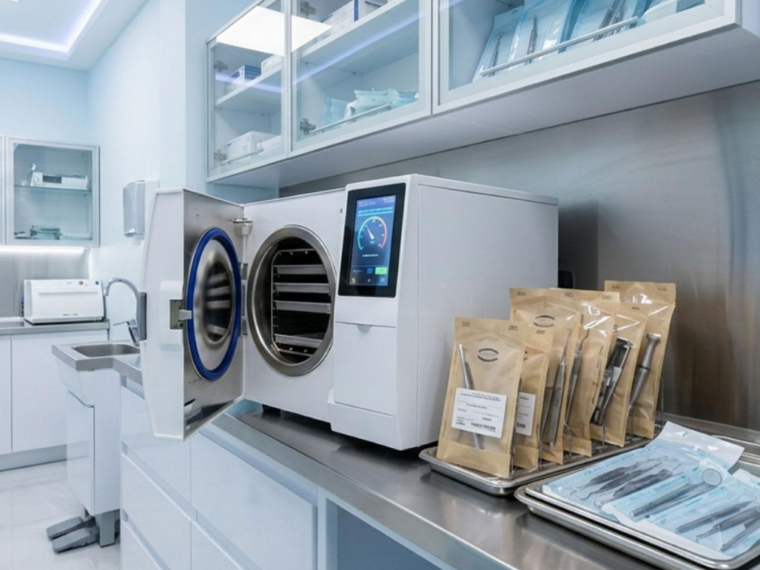
The Regional Health Agency of Centre-Val de Loire has identified critical lapses in infection control at a dental clinic in Orléans, France. Following an inspection in August 2026, authorities detected multiple sterilisation failures, including the use of a defective steriliser. Nearly 500 patients who underwent procedures at the facility during that period are now being urged to undergo HIV and hepatitis B and C testing as a precautionary measure.
Why urgent testing is being recommended
Dental instruments, particularly those used in procedures involving blood, require stringent sterilisation to eliminate infectious agents. In this case, the clinic failed to meet basic hygiene standards. Key deficiencies included:
- Operation of a steriliser despite failed functionality tests in August 2026
- Inadequate packaging, storage, and tracking of sterilised instruments
- Failure to ensure proper cleaning and sterilisation of reusable tools
While the risk of transmission is deemed low, health officials stress that no possibility of exposure can be disregarded. Testing allows for early detection and rapid intervention if infection is confirmed.
Global implications: addressing infection control in dentistry
Beyond the immediate case in Orléans, the incident raises broader concerns about infection control in dental practises worldwide. In some African countries, access to proper sterilisation equipment and training remains inconsistent, leaving patients vulnerable to preventable infections.
Challenges faced in African dental care
Studies conducted in cities like Yaoundé have highlighted gaps in sterilisation practices among dental professionals. Issues include:
- Insufficient training on infection prevention protocols
- Limited access to reliable sterilisation technology
- Lack of routine inspections to ensure compliance
Public and private dental facilities alike must adhere to the same high standards. Without adequate resources and oversight, the risk of bloodborne virus transmission persists—a risk no patient should bear.
What patients can do to protect themselves
While dental clinics hold primary responsibility for hygiene, patients can take proactive steps before undergoing treatment:
- Verify basic hygiene practises: Confirm that the dentist washes hands, wears fresh gloves for each patient, and opens sterilised instruments in your presence.
- Ensure single-use items are not reused: Needles, syringes, and other disposable tools should never be reused under any circumstances.
- Ask about sterilisation processes: Do not hesitate to inquire how instruments are cleaned and sterilised.
- Seek immediate testing if exposure is suspected: If you believe you may have been exposed to improperly sterilised instruments, consult a healthcare provider promptly. Early intervention, especially for HIV, is critical within 48 hours.
Sterilisation failures: a breach in patient trust
This incident underscores a fundamental truth: quality dental care hinges on more than just clinical skill. It relies on rigorous infection control. For clinics in Africa and beyond, investments in training, equipment, and regular oversight are not optional—they are essential to safeguard public health.
The Orléans case serves as a reminder: no patient should leave a dental appointment with anything more than a healthier smile.