Hardline measures target collective violence and parental accountability
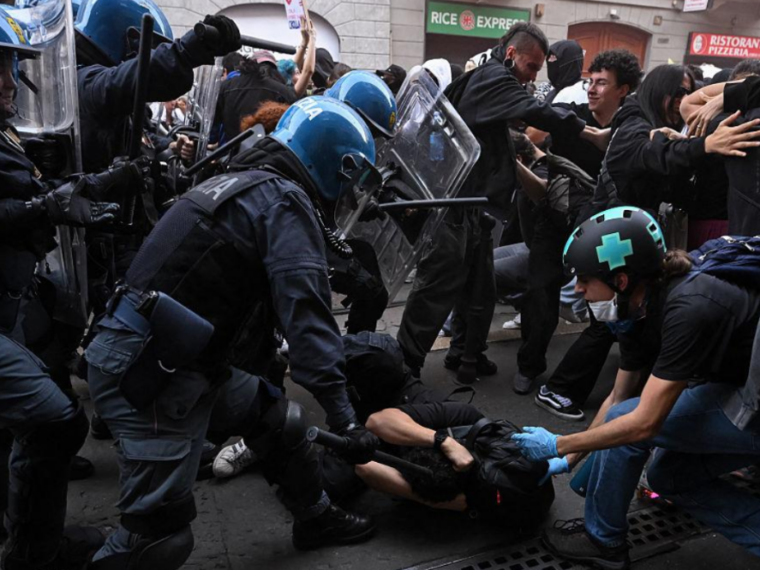
In the wake of violent unrest in Milan and several northern Italian cities, the government led by Prime Minister Giorgia Meloni has pushed through sweeping new security legislation. Approved on October 20, 2026, the emergency decree introduces harsher penalties for collective violence, financial penalties for parents of offenders under 18, and expanded preventive detention for minors. The move signals a decisive shift toward law and order, even as critics warn of overreach.
New offenses and steep penalties for organized violence
The decree creates a specific criminal offense targeting participants in violent group actions. Anyone involved in a gathering of five or more individuals that endangers public safety faces up to five years in prison and fines of up to €20,000. Penalties escalate if face coverings are used or if injuries occur during the disturbances.
Organizers of violent gatherings also face severe consequences. According to Justice Minister Carlo Nordio, promoting groups with the intent to commit violence, including through digital channels, could result in sentences ranging from four to twelve years. The new law aims to hold both participants and orchestrators accountable, shifting focus from street-level offenders to those who incite or coordinate attacks.
Parents held financially liable for minors’ actions
A controversial clause places new financial obligations on parents. Authorities can now demand compensation from families of minors involved in vandalism or looting, seeking reimbursement for damages caused. The government argues this measure will promote responsibility and deter repeat offenses.
For young offenders aged 14 and above, the decree facilitates prosecution and expands pre-trial detention options for minors aged 14 to 17 when deemed dangerous. Critics question the fairness of penalizing families for the actions of adolescents and point to potential conflicts with existing juvenile justice principles.
Milan becomes testing ground for enhanced security operations
The northern city of Milan, epicenter of recent unrest, has been selected for expanded security measures. An additional 500 military personnel will be deployed through year-end under Operation Strade Sicure, bolstering police presence in sensitive areas and protecting critical infrastructure.
The unrest erupted after a weekend of looting, smashed shop windows, and clashes with law enforcement. While some demonstrations reflected economic grievances—rising living costs, energy prices, and housing shortages—the government insists economic hardship cannot excuse violence. Opponents argue that a purely punitive approach fails to address the social roots of public anger.
Balancing security with civil liberties under scrutiny
The new decree follows a series of security-focused policies implemented since 2022. It has drawn criticism from police unions and civil liberties advocates concerned about expanded preventive powers, juvenile detention conditions, and the risk of disproportionate punishments.
While some initially proposed granting military personnel broader policing powers in Milan, the president of the Republic blocked the measure amid constitutional concerns. The decree entered into force immediately but must still be ratified by Parliament within 60 days to become permanent law.
What comes next? Evaluating impact and proportionality
As the government moves to restore order, the true test will be whether these measures effectively prevent future violence without undermining the right to peaceful protest. Italy now faces a critical juncture: can security be enforced without eroding democratic freedoms? The coming months will reveal the balance between firmness and justice.