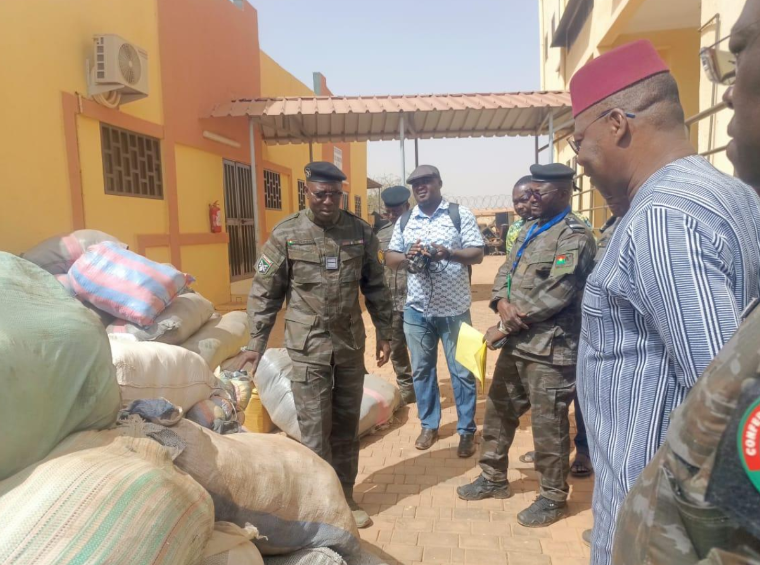
The customs authorities of Burkina Faso have achieved a significant breakthrough in the fight against smuggling, seizing illicit goods worth over 10.8 billion West African CFA francs ($18.2 million) in just three months.
Major haul reveals dangerous contraband network
Presenting the results of Operation “Magnan”—conducted from July 10 to October 15, 2026—the General Directorate of Customs (DGD) highlighted the scale of illegal trade networks plaguing the country. The seized merchandise includes counterfeit pharmaceuticals, narcotics, explosives, and chemical substances, exposing the diverse and hazardous nature of contraband activities.
Pharmaceuticals dominate the illegal market
The most substantial portion of the haul consisted of Tapentadol, a prescription pain medication. Authorities confiscated over 4.2 million tablets valued at more than 8 billion CFA francs. Additionally, nearly 11 tons of counterfeit drugs, worth approximately 1.1 billion CFA francs, were intercepted.
The presence of these unregulated pharmaceuticals raises serious concerns about their origin, storage conditions, and composition. Consumers risk exposure to improper dosages or harmful substances, underscoring the urgent need for stricter oversight in drug distribution.
Beyond medicines: dangerous and prohibited goods
The crackdown extended to other hazardous materials, including:
- Narcotics such as cocaine and cannabis
- Industrial chemicals like cyanide and mercury
- Explosives and related accessories
Agricultural and consumer goods targeted
Operation “Magnan” also revealed significant quantities of:
- Over 500 tons of fertilizers
- Nearly 490 tons of rice
- Thousands of liters of unregulated cooking oil
- Unapproved pesticides, counterfeit cigarettes, fake textbooks, and textile materials
These findings demonstrate that smuggling affects not only high-value or niche markets but also essential goods, posing risks to public health and economic stability.
Economic and health consequences of contraband
The influx of illicit goods poses a dual threat to Burkina Faso’s economy and consumers. Unregulated imports create unfair competition, undermining businesses that comply with tax and regulatory obligations. This fuels the informal sector, diverting revenue from public coffers used to fund critical services.
In agriculture, counterfeit fertilizers and unapproved pesticides jeopardize crop yields, soil quality, and food safety. For consumers, the circulation of substandard or contaminated goods—such as food, medicine, or household items—heightens health risks and erodes trust in the market.
Sustaining the fight against fraud
The success of Operation “Magnan” marks a critical step in dismantling smuggling networks, but customs officials emphasize that the battle is far from over. Key challenges include:
- Tracing import routes and distribution chains
- Identifying and prosecuting those responsible
- Strengthening cross-agency collaboration with security forces, health regulators, and trade authorities
The 10.8 billion CFA franc haul sends a clear message to traffickers: increased scrutiny and enforcement will continue. However, long-term progress hinges on sustained efforts to protect consumers, safeguard public revenue, and ensure fair competition in Burkina Faso’s markets.