2PFJ calls for inclusive political dialogue to strengthen Côte d’Ivoire’s electoral system
The Panafrican Platform of Women and Youth for Peace, Democracy, and Governance (2PFJ) has issued a strong appeal for a transparent, participatory, and constructive political dialogue to drive sustainable electoral reforms in Côte d’Ivoire. This urgent call was detailed in an official statement received by our editorial team.
In the declaration, the 2PFJ emphasizes the necessity of conducting a thorough assessment of the country’s socio-political climate, which has been scarred by recurring crises. The organization argues that electoral governance reform—critical to the nation’s democratic foundations—cannot be reduced to a mere informational session. Instead, it must evolve into a structured negotiation framework that engages all vital stakeholders in the Republic.
The platform further advocates for the establishment of bipartisan technical commissions, comprising representatives from the government, opposition parties, and civil society. These commissions would play a pivotal role in defining the competencies, financial autonomy, and independence of the proposed new electoral bodies or any alternative institutional frameworks under consideration.
Building trust through consensus and inclusivity
The 2PFJ underscores the importance of fostering a climate of trust to ensure the success of these discussions. As part of this effort, the platform urges the government to prioritize the release of individuals detained for politically motivated charges and to facilitate the safe return of exiles. Additionally, it stresses the need for meaningful representation of women and youth organizations within the future electoral bodies to enhance inclusive and peaceful civic oversight.
The organization reflects on Côte d’Ivoire’s turbulent electoral history, acknowledging the deep wounds inflicted on its people. Yet, it also highlights the nation’s resilience, citing past instances where Ivorians have overcome divisions to achieve national unity in pursuit of shared goals.
According to the 2PFJ, the ongoing electoral governance reform presents a historic opportunity to unite citizens around a common vision: a more stable, peaceful, and prosperous Côte d’Ivoire. This sentiment aligns with recent government initiatives, including a high-level working session held on June 22, 2026, under the leadership of Prime Minister Robert Beugré Mambé. The meeting, described as an expanded information session, convened political parties, movements, and civil society organizations to explore pathways for sustainable electoral reforms.
Key recommendations from the 2PFJ
- Establish bipartisan technical commissions with government, opposition, and civil society representatives to define the structure and independence of new electoral bodies.
- Prioritize national reconciliation by addressing political detentions and facilitating the return of exiles to rebuild trust.
- Ensure gender and youth representation in electoral institutions to promote inclusive and transparent governance.
- Transform the reform process from a one-sided information session into a collaborative dialogue rooted in consensus.
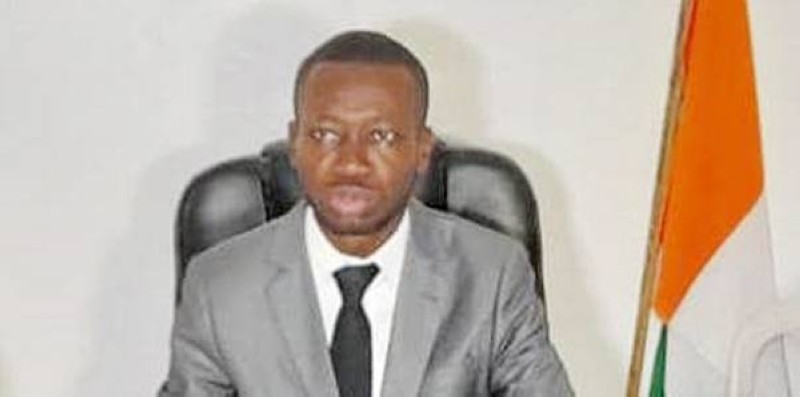
The 2PFJ’s proposals are outlined in a document signed by Jean-Martial N’Guessan, Chair of the platform’s Board of Directors. By advocating for these measures, the organization reaffirms its commitment to fostering democracy, peace, and good governance across the continent.