Government’s sudden export ban threatens Mali’s livestock sector and private trade freedom
In a move critics argue masks deeper economic and security failures, Mali’s government has proposed a six-month renewable ban on cattle exports. Marketed as a measure to protect household purchasing power, the policy is widely seen as a direct assault on private enterprise and free trade, undermining the very drivers of the nation’s economic resilience.
Export suspension deals a severe blow to Mali’s livestock-driven economy
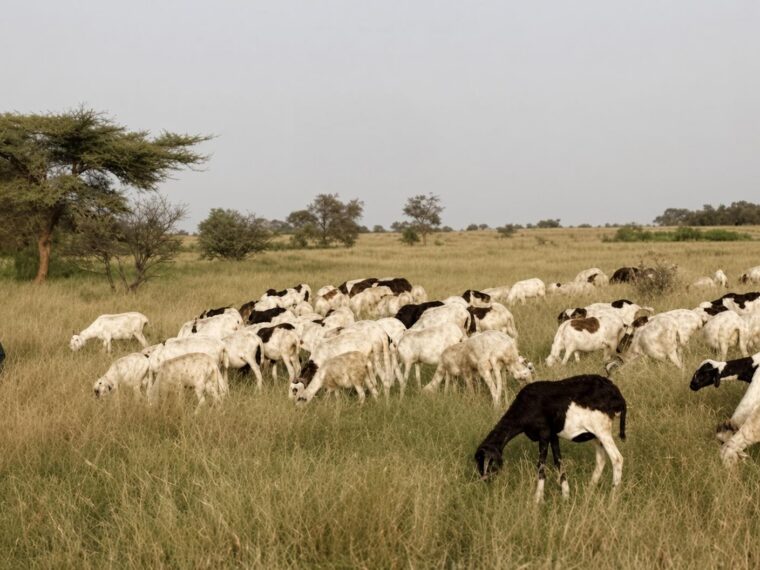
Livestock is a backbone of Mali’s economy, accounting for over 15% of its GDP and generating more than $150 million in annual export revenue. Yet, instead of supporting the farmers, traders, and transporters who sustain this vital sector, Bamako is turning to state coercion—denying them the core right to sell their hard-earned livestock at competitive prices across regional markets.
The abrupt closure of borders to Senegal, Côte d’Ivoire, and Guinea has triggered immediate consequences. Artificially inflated local supply risks flooding the domestic market, crushing profit margins for breeders, and pushing thousands of already strained private operators into financial distress. These operators are already grappling with surging feed costs, soaring transport expenses, and persistent logistical insecurity on trade routes.
Price controls versus real market forces: a flawed strategy
The origins of rising meat prices are no mystery: the closure of key livestock markets, escalating animal feed costs, rampant road insecurity, and systemic extortion by armed groups. Yet rather than dismantling these barriers, the government has chosen to double down on control—imposing price caps and export bans that disrupt supply chains and stifle competition.
History shows that such top-down interventions rarely work in the long term. By casting doubt over future earning potential, they discourage investment in herd modernization and market expansion. Why would a farmer invest in better breeds or improved technology if the state can at any moment revoke their access to higher-value regional markets?
Regional trade collapse risks long-term damage to Mali’s economic reputation
Mali’s bovine export network, which supplies 99% of the country’s cattle to neighboring markets, is now under existential threat. This export-oriented ecosystem is critical to the nation’s economic viability. By undermining it, the government sends a dangerous signal to investors and regional trade partners: that regulatory predictability and commercial freedom are secondary to short-term political convenience.
Sustainable solutions lie in enabling— not restricting— private enterprise
A real solution to the meat price crisis does not lie in blanket bans or forced controls. Instead, Mali must reverse course by empowering local entrepreneurs, securing transport corridors, and reducing bureaucratic hurdles. These are the pillars that can stabilize supply, reduce costs, and restore confidence in the market—without sacrificing the private sector on the altar of policy failure.