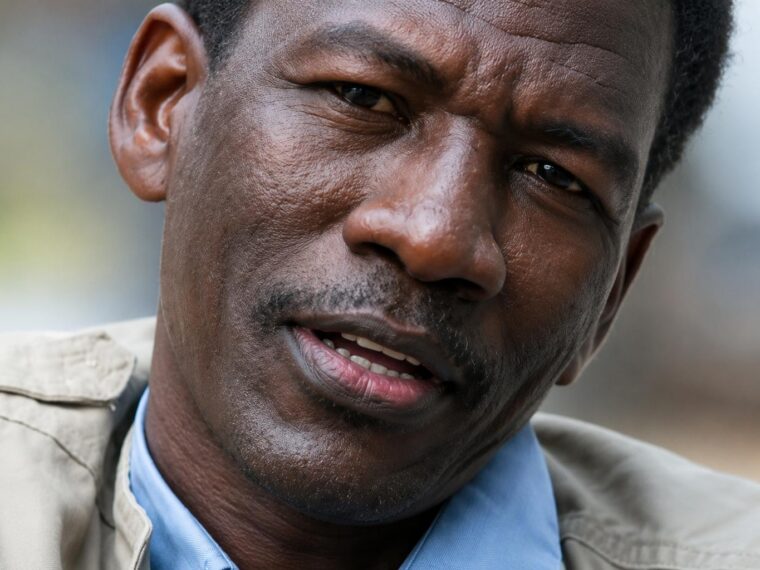
Niger’s media landscape is gripped by mounting tension as journalists, civil society groups, and human rights advocates intensify their fight for transparency in the case of Moussa Kaka. The prominent Nigerien journalist and human rights defender has been held incommunicado for weeks, sparking urgent calls for authorities to explain the reasons behind his detention.
From Disappearance to State Detention
The ordeal began on August 31, 2026, when Moussa Kaka vanished after leaving his Niamey office midday. For weeks, his family, colleagues, and press freedom organizations feared the worst—rumors of abduction swirled as authorities remained ominously silent. Only under sustained pressure from journalist unions did the government finally acknowledge that Kaka was in state custody, alive but cut off from the outside world.
Demands for Legal Clarity Gain Momentum
While the confirmation that Kaka is alive has eased immediate fears for his survival, it has done little to quell concerns about his legal and constitutional rights. Press advocacy groups, led by Journalists for Human Rights (JDHO), are now demanding concrete answers and immediate reforms. Among their key demands:
- Public disclosure of charges: “We need to know what he is accused of,” stated JDHO spokespersons. The group insists on official, transparent notification of the charges to both Kaka and his legal representatives.
- Access to detention location: Advocates are calling for precise information on Kaka’s whereabouts to assess his detention conditions, including his physical well-being and treatment in custody.
- Guaranteed legal representation: The JDHO urges authorities to allow Kaka unrestricted communication with his lawyers and family, ensuring he can prepare a proper defense in accordance with the law.
A Looming Test for Press Freedom in Niger
Kaka’s case has become a flashpoint in Niger, a country where investigative journalism and independent reporting face growing restrictions under the guise of national security. While authorities cite security imperatives, critics argue these measures are increasingly weaponized to silence dissent and curb free speech.
The unfolding situation surrounding Moussa Kaka is now seen as a critical litmus test for Niger’s commitment to judicial independence and the protection of fundamental freedoms. Human rights defenders emphasize that no security rationale can justify the denial of due process, detention without charges, or the erosion of press freedoms.
Why This Case Matters Beyond One Journalist
The fight for Kaka’s rights is not just about one individual—it is a battle for the soul of Niger’s democracy. As the international community watches, the government’s handling of this case will signal whether the country remains a space for free expression or slides further toward authoritarian control. Press advocates warn that unless authorities act decisively, the precedent set by Kaka’s detention could embolden further abuses against journalists and civil society.