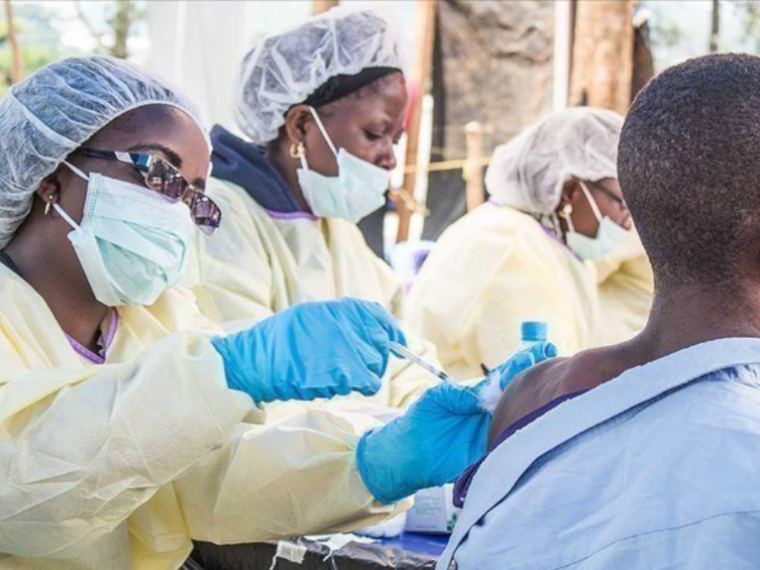
Nation on high alert as imported Ebola case surfaces in Abuja
Abuja — Nigeria has confirmed its first imported case of Ebola in years, detected in the capital city on October 20, 2026. The patient, a woman who recently traveled through East Africa, was placed in isolation and provided medical care immediately upon symptom onset in early October. This marks a significant escalation in the West African nation’s preparedness as the Bundibugyo Ebola virus continues its concerning geographical spread beyond Central Africa.
Contact tracing underway amid regional health concerns
Health authorities have identified 44 individuals with potential exposure to the virus, launching immediate contact tracing to prevent secondary transmission. Since the confirmation, the patient has remained isolated under medical supervision. “All necessary measures are being taken to ensure the highest standards of care and containment,” the federal health minister stated, emphasizing the urgency of the situation.
The current outbreak, linked to the Bundibugyo strain—distinct from the 2014-2016 West African epidemic—was initially declared in the Democratic Republic of the Congo (DRC) in May 2026. Since then, cases have emerged in multiple provinces, with neighboring countries like Kenya reporting nine confirmed infections as of October 20, 2026. Nigeria now joins four other nations where the virus has been detected, according to the World Health Organization (WHO).
Travel history complicates containment efforts
The infected woman’s route remains under investigation. While she reportedly traveled through Uganda, health officials there have indicated she may have passed through after professional activities in eastern DRC. Kampala officials stress that Uganda cannot be ruled out as a potential contamination site without further evidence. Epidemiologists are working urgently to reconstruct her movements and determine the origin of exposure.
The case underscores the challenges of controlling Ebola in an era of high regional mobility. Air travel, trade, and business transit demand rapid cross-border coordination to identify exposed individuals and share critical health data. “This is a reminder that Ebola respects no borders,” an epidemiologist noted.
Lessons from past outbreaks fuel preparedness
The memory of the 2014-2016 West African Ebola epidemic lingers, particularly in Nigeria, which successfully contained a single imported case at the time, avoiding a wider crisis. That experience has strengthened the country’s surveillance mechanisms—federal health ministry, Nigeria Centre for Disease Control (NCDC), the federal capital territory’s health services, WHO, and Africa CDC are now leading a coordinated response.
Key priorities include enhanced border screening, laboratory diagnostics, and rigorous infection prevention protocols. The NCDC has mobilized personnel across entry points, health facilities, and communities to ensure rapid detection and response.
Understanding the risk: symptoms, transmission, and public response
Ebola virus disease (EVD) presents with fever, extreme fatigue, muscle pain, vomiting, and diarrhea. Severe cases can lead to internal bleeding and fatal complications. Transmission occurs primarily through direct contact with the blood or bodily fluids of an infected, symptomatic individual—or via contaminated objects. Airborne transmission is not a concern.
Public communication is vital to curb misinformation and encourage early care-seeking behavior. Health officials urge individuals with compatible symptoms and travel history to seek medical attention immediately rather than self-medicate or avoid contact tracing. “Time is of the essence,” said a health official. “Early detection saves lives.”
No outbreak yet—but vigilance is non-negotiable
At this stage, a single confirmed case does not equate to an outbreak in Nigeria. The trajectory hinges on the results of contact tracing, identification of any new infections, and the speed of the public health response. Yet the detection serves as a clear warning: an epidemic once confined to Central Africa has now reached the continent’s most populous nation.
For Nigerian authorities and their West African neighbors, the stakes could not be higher. The next 72 hours will be critical in determining whether this imported case spirals into a larger transmission chain. “The lessons from 2014 taught us that decisive action in the first days can prevent a crisis,” said a senior health official. “Today, we are acting fast to ensure history does not repeat itself.”
Note: Information current as of October 21, 2026. The exact location of the patient’s exposure remains under investigation.