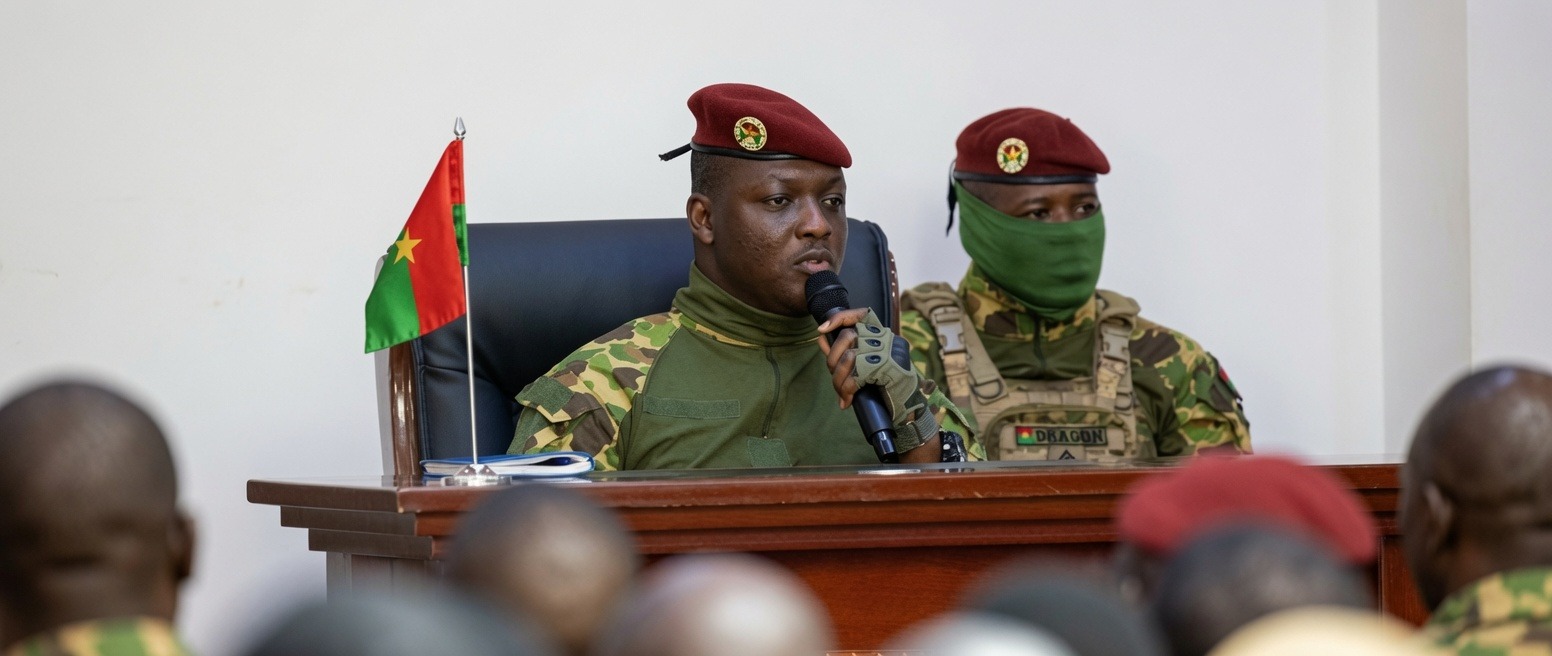
The transitional government of Burkina Faso has taken a bold step toward economic sovereignty by suspending imports of wheat flour, semolina, and couscous. The move, framed as a direct lever to strengthen the country’s Agropastoral Initiative, is designed to shield local producers from foreign competition and spur self-sufficiency. Yet, behind the political posturing lies a complex web of challenges—logistical, economic, and social—that could undermine the initiative’s long-term success.
Industrial realities clash with protectionist ambitions
While the call for self-reliance resonates politically, Burkina Faso’s industrial landscape remains ill-equipped to meet national demand. Domestic milling and processing units, often small-scale or artisanal, struggle to maintain consistent output across the country. The abrupt halt to cereal imports, without a structured transition period, risks creating critical supply shortages—particularly for bakeries and food manufacturers dependent on imported flour.
Key industrial hurdles
- Limited production capacity: Local milling facilities lack the infrastructure to replace imported volumes at scale.
- Quality inconsistencies: Artisanal methods often result in inconsistent product standards, complicating compliance with market expectations.
- Energy and logistics gaps: High operational costs and unreliable supply chains further hinder local producers’ ability to fill the void left by imports.
Social consequences loom large
The government’s sovereignty narrative risks colliding with harsh economic realities. With local alternatives unable to meet demand, essential goods—especially bread and infant formula—face steep price hikes. In a nation already grappling with insecurity-driven displacement and economic strain, this decision could disproportionately burden vulnerable households. History shows that import restrictions on staple goods often fuel smuggling and price speculation across borders, exacerbating market instability.
Sustainability hangs in the balance
Rather than fostering structural growth, the suspension appears to rely on regulatory coercion over tangible support. Without substantial investment in modernizing milling operations, reducing energy costs for producers, or securing long-term cultivation zones, the policy risks becoming a short-term fix with long-term costs. While the goal of reducing reliance on foreign food sources is commendable, imposing it by decree without safeguards for pricing or stockpiles could transform a promise of sovereignty into an additional burden for the population.
The challenge ahead is clear: balancing ambition with pragmatism. Burkina Faso’s path to food self-sufficiency demands more than prohibitions—it requires a holistic strategy that prioritizes infrastructure, affordability, and stability.