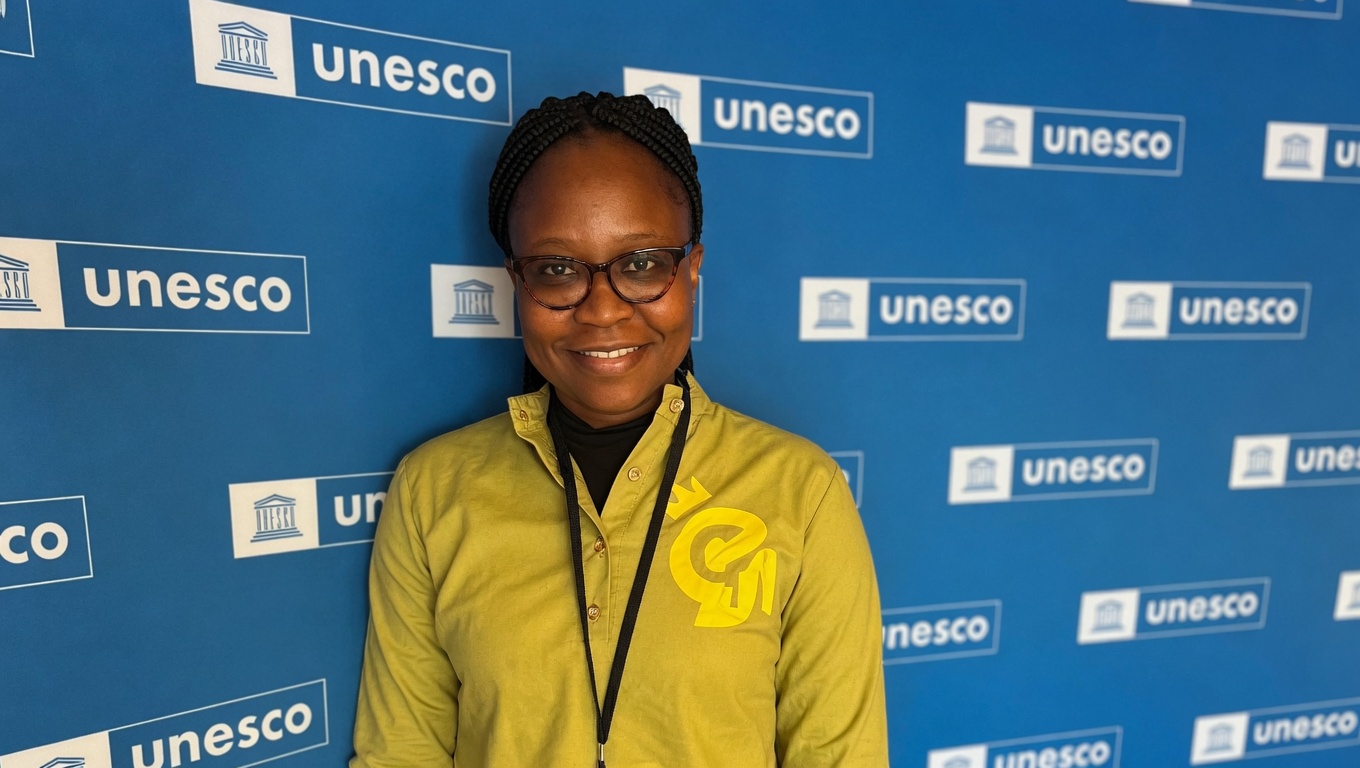
The West African nation of Bénin faces a silent crisis: contaminated water sources threaten health and livelihoods across rural and urban communities alike. In the bustling coastal city of Cotonou, one start-up is turning the tide with an unexpected ally—artificial intelligence. SSaFE, a tech-driven initiative led by chemical engineer Marielle Agbahoungbata, has developed Watt Air, an autonomous filtration robot designed to purify polluted water while speaking the languages of the people it serves.
From lab to life: a self-governing water guardian
Watt Air isn’t just another water filter—it’s a decision-maker. Powered by advanced AI, this compact robotic system analyzes water samples in real time, identifying contaminants and determining the most appropriate treatment method. Whether the water is suitable for drinking, laundry, or irrigation, the robot makes an informed choice, optimizing resource use and minimizing waste.
“Our system eliminates guesswork,” says Agbahoungbata. “The AI calculates the exact amount of treatment agents needed, ensuring no drop is wasted and no energy is squandered.” In a country grappling with water scarcity and rising treatment costs, this precision-driven approach offers a lifeline to communities stretched thin by environmental and economic pressures.
Breaking barriers with voice and vernacular
Innovation, however, extends beyond efficiency—it embraces accessibility. Recognizing that literacy levels and technological familiarity vary widely across Bénin, the team at SSaFE embedded a multilingual voice assistant into Watt Air. The robot communicates in local languages such as Fon, Bambara, and Yoruba, empowering users regardless of their educational background.
“For a mother in a remote village, the ability to interact with the robot in her mother tongue transforms a complex device into a trusted household tool,” explains Agbahoungbata. “She can now safely reuse water for household chores, knowing the system understands her needs.” This fusion of AI and anthropology ensures that technology serves as a bridge, not a barrier, connecting innovation directly to its end users.
Sèmè City: where science meets societal impact
Watt Air didn’t emerge in isolation. Its development was nurtured within Sèmè City, Cotonou’s flagship innovation hub. Here, mathematicians, chemists, and engineers collaborate under one roof, translating local challenges into tangible solutions. Thierry d’Almeida, Director-General of the research institute at Sèmè City, emphasizes the synergy: “When experts from different disciplines work side by side, they uncover insights that single-discipline approaches miss.”
The project has also garnered international recognition, securing a $30,000 grant to support its development. This funding underscores a growing truth: sustainable solutions to Africa’s challenges often originate within the continent, rooted in an intimate understanding of its realities.
A 2027 launch on the horizon
Though still in prototype phase, SSaFE is racing toward a 2027 deployment. The goal? To transition from laboratory demonstrations to household adoption across Bénin and beyond. To achieve this, the start-up is actively seeking partners, investors, and pilot communities to validate and scale the technology.
Beyond its technical brilliance, Watt Air embodies a deeper mission: to ensure no one is left behind in the quest for clean water. “Technology must be a tool of liberation,” says Agbahoungbata. “It should save time, protect health, and—above all—include every voice, regardless of language or literacy.” In a world where clean water remains a privilege for many, Bénin’s AI-powered solution offers a glimpse of hope, one purified drop at a time.