
Journalists in Burkina Faso are raising concerns over a growing trend of online harassment allegedly orchestrated by a coordinated digital militia. This development has intensified debates surrounding press freedom in the country, particularly in the wake of recent political shifts.
The alleged network, described as a “digital militia”, has been accused of targeting media professionals with aggressive online campaigns, including cyberbullying and misinformation campaigns. Critics argue that these actions aim to silence dissenting voices and control public discourse.
How the alleged digital militia operates
According to reports from press freedom watchdogs, the group employs coordinated social media attacks to intimidate journalists. Tactics include:
- False accusations: Fabricated claims are spread to damage reputations.
- Harassment campaigns: Journalists receive threats and abusive messages.
- Disinformation: Misinformation is amplified to manipulate public opinion.
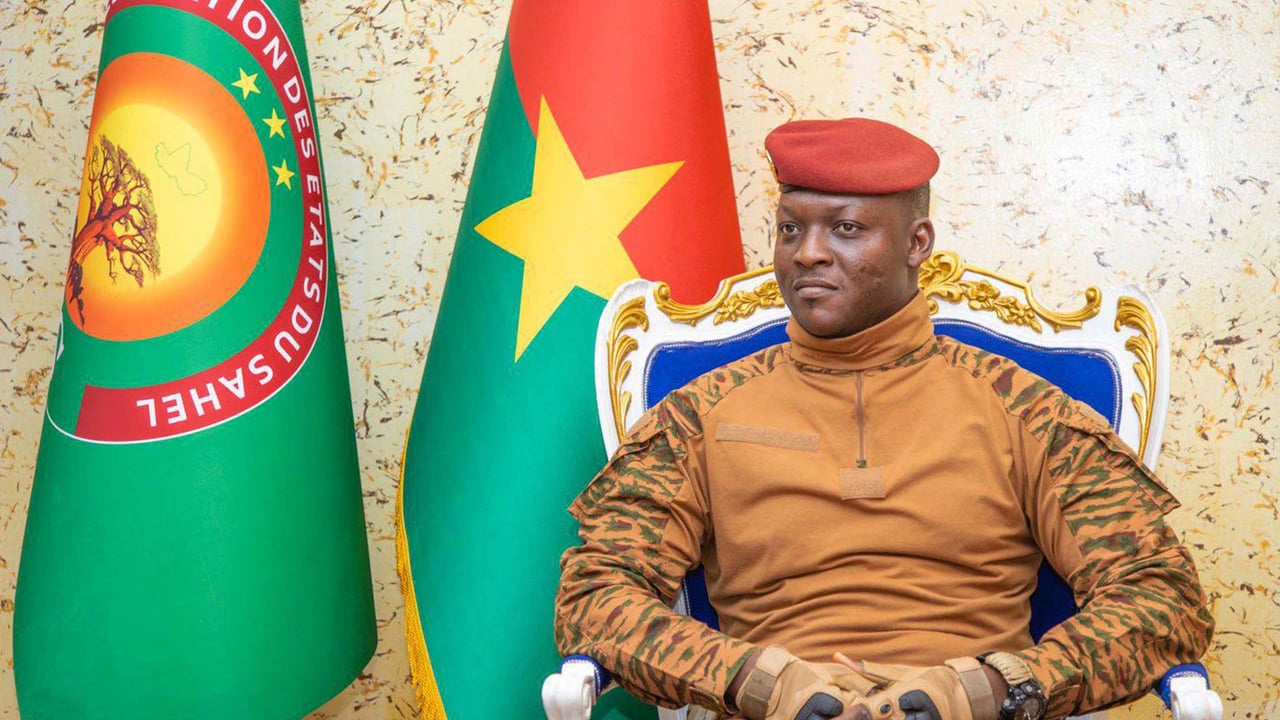
The alleged leader of this network, Captain Ibrahim Traoré, has faced scrutiny over the accusations. His supporters, however, dismiss the claims as baseless attempts to undermine his leadership.
Reactions from the international community
Press freedom organizations have condemned the alleged attacks. Reporters Without Borders (RSF) has flagged the situation as a serious threat to independent journalism in Burkina Faso. The group warns that such tactics could further restrict media freedom in an already challenging environment.
Local journalists have also spoken out, describing a climate of fear. Many report self-censorship to avoid becoming targets of online abuse. The National Union of Burkinabe Journalists has called for urgent measures to protect media professionals.
Burkina Faso’s evolving media landscape
The accusations come amid broader changes in Burkina Faso’s media sector. Recent government actions have raised concerns about press freedom, including restrictions on certain outlets and increased surveillance of digital communications.
Captain Ibrahim Traoré, who rose to power in a 2022 coup, has positioned himself as a defender of national sovereignty. His administration has justified tighter media regulations as necessary to combat terrorism and foreign interference. However, critics argue these measures are being used to suppress dissent.
What’s next for press freedom in Burkina Faso?
The coming months will be critical in determining whether the alleged digital militia’s influence will grow or face resistance. With growing international pressure, the government may be forced to address these concerns or risk further isolation.
For now, journalists in Burkina Faso remain on high alert, navigating a landscape where truth and misinformation often clash in the digital sphere.