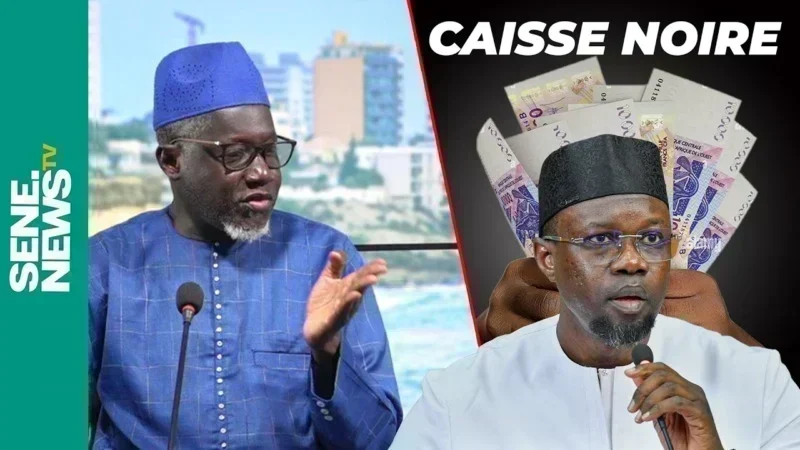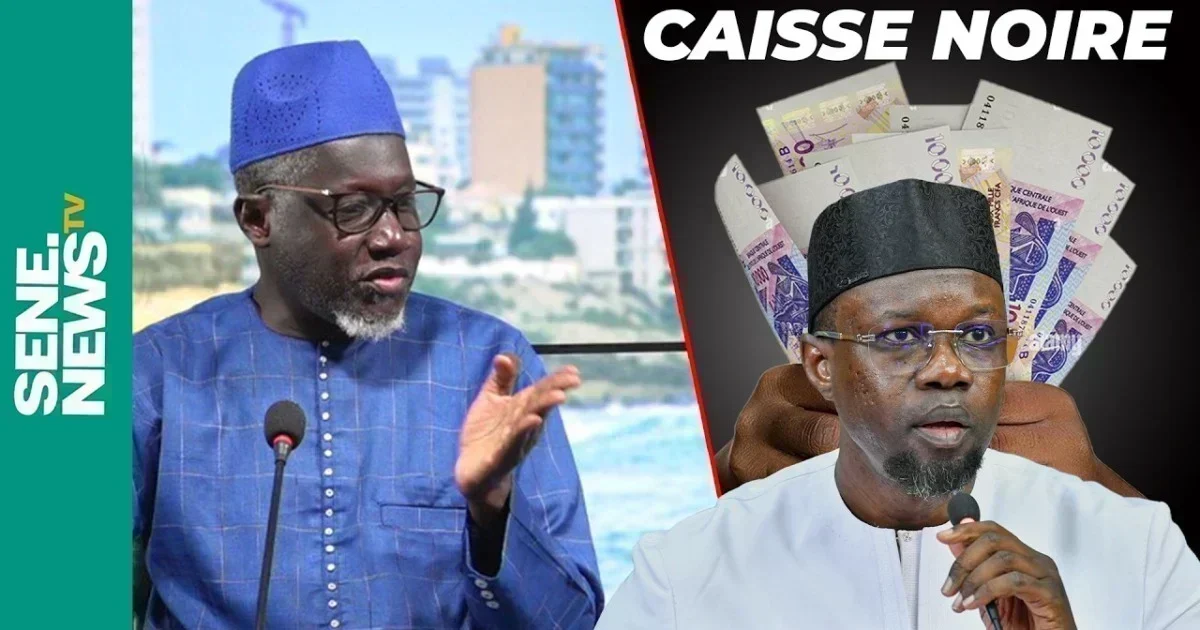
In a bold revelation that has sent shockwaves through Senegal’s political landscape, prominent religious leader Imam Kanté has publicly disclosed troubling details about how Ousmane Sonko allegedly utilized special funds during his time in office. Speaking with unfiltered candor, Kanté outlined a pattern of financial irregularities that raises serious questions about transparency and accountability in government spending.
The accusations center on the misallocation of public resources, with Kanté claiming that designated special funds were directed toward unauthorized projects rather than their intended purposes. These funds, typically reserved for urgent national needs, infrastructure, or crisis response, appear to have been repurposed without proper oversight, according to his testimony.
what specific allegations have been made?
According to Imam Kanté’s account, the misuse extended beyond mere mismanagement. He alleged that a portion of these funds was channeled into political campaigns, effectively turning public money into campaign financing. This, he argued, undermined democratic principles by allowing state resources to be weaponized for electoral gain.
Kanté also highlighted discrepancies in financial reporting, noting that key transactions lacked clear documentation. The absence of transparent records, he suggested, suggests deliberate efforts to conceal the true nature of these expenditures. Such opacity, he warned, erodes public trust in institutions and fuels perceptions of systemic corruption.
impact on Senegal’s political climate
The revelations come at a critical juncture in Senegal’s political trajectory, amplifying existing tensions between government officials and opposition figures. Ousmane Sonko, a polarizing yet influential politician, has long been a target of scrutiny over his financial dealings. Kanté’s testimony adds fresh ammunition to critics who accuse him of abusing power for personal and political agendas.
Meanwhile, supporters of Sonko argue that these claims are politically motivated, designed to tarnish his reputation ahead of upcoming elections. The debate has intensified calls for independent audits to verify the allegations and hold accountable those responsible for any wrongdoing. Civil society groups have echoed Kanté’s demand for greater financial transparency, emphasizing the need for reforms to prevent future misuse of public funds.
public reaction and calls for accountability
The fallout from Imam Kanté’s statements has been immediate. Citizens, activists, and opposition leaders have taken to the streets and social media to demand clarity, with many accusing the government of failing to uphold financial integrity. Protests have erupted in major cities, with demonstrators chanting slogans against corruption and calling for Sonko’s resignation.
Economic analysts warn that prolonged uncertainty over financial governance could deter foreign investment and destabilize Senegal’s economic outlook. The allegations, if proven true, risk damaging the country’s reputation as a stable democracy in West Africa, particularly as it seeks to attract international partnerships.
For Imam Kanté, the fight for transparency is not just a political issue but a moral imperative. He has urged Senegalese authorities to conduct thorough investigations and ensure that justice is served, regardless of the individuals involved. His stance has resonated with many, positioning him as a vocal advocate for ethical governance in a region plagued by corruption scandals.