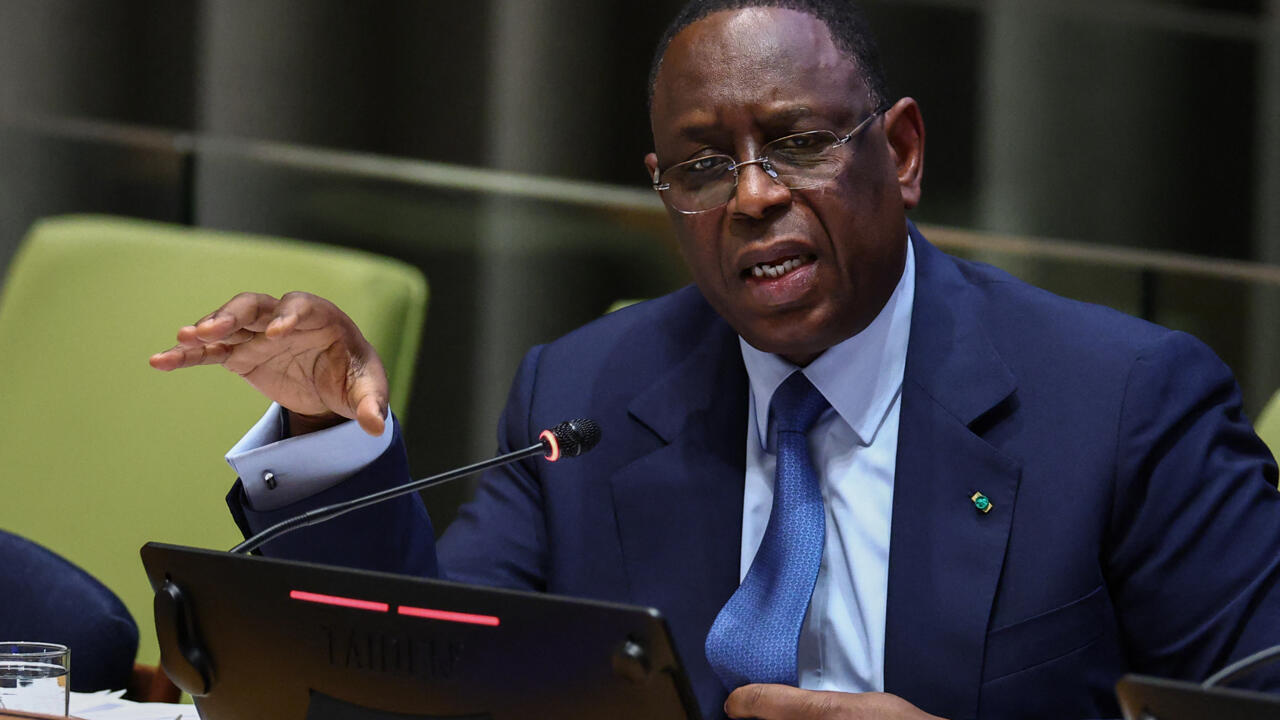
The recent diplomatic endorsement by President Bassirou Diomaye Faye of Senegal for Macky Sall’s candidacy as United Nations Secretary-General marks a significant shift in the country’s position. Just three days after welcoming Macky Sall at the presidential palace, the Senegalese government formally declared its “full support” for his bid on July 20, 2026, mobilizing the entire diplomatic apparatus to present it as a national cause.
This reversal is particularly striking given the reservations expressed earlier this year. In March, Senegal had opposed Macky Sall’s candidacy within the African Union framework. The decision to back Sall now strengthens his portfolio considerably, as he can now claim the official endorsement of the state he led for twelve years.
what prompted this diplomatic U-turn?
The motivations behind President Faye’s sudden support remain unclear. Political observers highlight several possible factors:
- Regional influence considerations: Senegal’s backing could enhance its diplomatic standing in West Africa, particularly in relation to neighboring countries and major international blocs.
- Economic rationale: Strengthening ties with a former president who retains significant international networks might open doors for future economic collaborations.
- Domestic political dynamics: The move could be aimed at consolidating alliances or addressing internal pressures, though it risks deepening tensions with political opponents.
Rising political tensions
The decision comes at a delicate time for Senegalese politics. Ousmane Sonko, former Prime Minister and a prominent opposition figure, has been a vocal critic of Macky Sall’s international ambitions. The endorsement of Sall’s candidacy could further strain the already complex relationship between President Faye and Sonko, potentially reshaping the country’s political landscape.
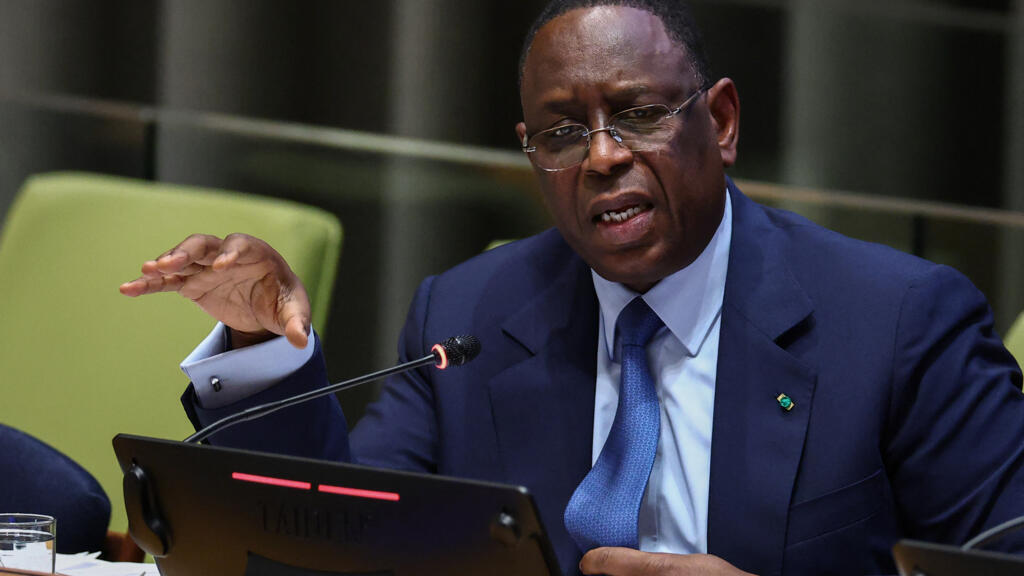
As Senegal navigates this diplomatic pivot, questions linger about its long-term implications. Will this strategic alignment endure, or is it merely a temporary maneuver in a fluid political environment? The coming weeks may provide clearer answers as regional and international stakeholders assess the full scope of this decision.