Agadez, October 21, 2026 — An armed assault of extreme violence targeted passenger buses on Niger’s critical Agadez-Arlit route Tuesday, leaving at least 11 dead and sparking urgent security concerns.
Unprovoked violence halts travel on strategic highway
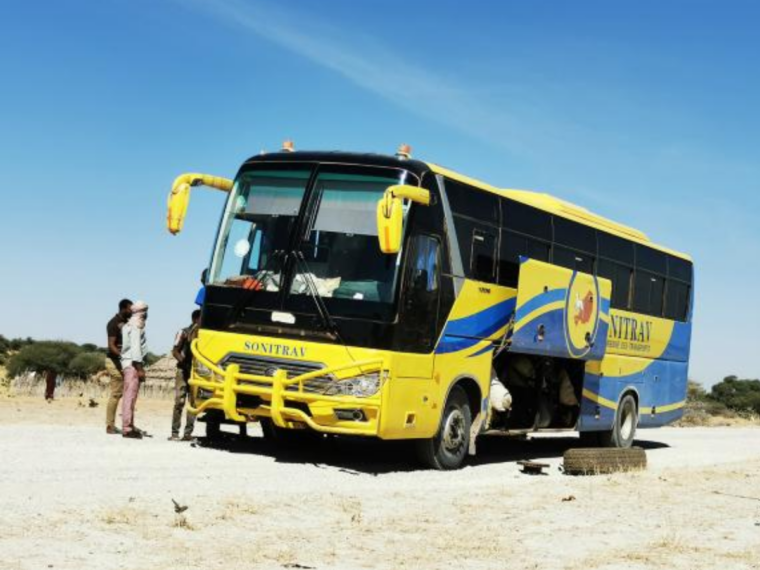
Gunmen opened fire on public transport vehicles approximately 35 kilometers outside Agadez, along the lifeline connecting the historic Saharan trade hub to Arlit, a key mining and commerce center in northern Niger. Witness accounts describe the attackers arriving in three vehicles, blocking the road before unleashing indiscriminate fire.
Initial reports indicate that the assault resulted in the deaths of ten civilian passengers and one member of the Nigerien Armed Forces. Multiple others sustained serious injuries, with several requiring immediate medical evacuation. The confrontation escalated into heavy gunfire after security personnel onboard one of the buses returned fire, according to field accounts.
Attack details remain unverified
As of now, no group has claimed responsibility for the ambush, and official authorities have yet to confirm key operational details. The evolving nature of the investigation means figures and narratives may shift as authorities verify claims and collect forensic evidence. Until then, all statements should be treated with caution.
Agadez-Arlit corridor: a vital yet vulnerable link
The 300-kilometer stretch between Agadez and Arlit is more than a transit route — it is the economic backbone of northern Niger. It facilitates the movement of goods from Arlit’s uranium mines and supports daily commutes for families, students, and traders. Disruptions here ripple across the region, raising fuel and transport costs while forcing residents to second-guess every journey.
Bus operators now face impossible choices: cancel routes to protect passengers or continue running under heightened risk. Travelers describe growing dread, with some opting for longer, costlier detours or suspending trips altogether. The psychological toll is as real as the economic one — fear of ambush has become a daily companion for those who rely on this highway.
Security failures or targeted assault?
The involvement of military personnel in one of the buses raises critical questions. If confirmed, it would expose lapses in protective protocols and route surveillance. How were attackers able to intercept the convoy? Were necessary escorts delayed or absent? Authorities must reconstruct the timeline with precision: from the departure of the bus to the first gunshots, and the evacuation of the wounded.
Given the terrain — vast desert expanses, sparse checkpoints, and a labyrinth of secondary paths — securing such corridors demands real-time intelligence, rapid response teams, and community-based vigilance. Investment in mobile patrols, aerial monitoring, and local informant networks cannot be delayed.
Families seek answers, not rumors
Behind the fatality count are people with names, plans, and loved ones waiting for their return. Some bodies are still being identified; others remain hospitalized in critical condition. Families demand accurate information, not speculation. The spread of unverified footage or unverified victim lists only compounds their suffering.
Local leaders and aid groups stress that transparent communication from authorities is essential to restore public trust. Clear, timely updates can help prevent panic and support emergency services in delivering care and closure.
What comes next for travel in northern Niger?
This fresh outbreak of violence demands decisive action. The government must prioritize:
- Enhanced patrols and joint military-civilian escorts for public transport
- Immediate forensic review of the attack site and surrounding terrain
- Public safety campaigns urging travelers to avoid high-risk hours and report suspicious activities
- Coordination with bus operators to implement panic alarms and GPS tracking on all vehicles
Until safety is restored, the Agadez-Arlit road remains a gamble with human lives. Each attack not only claims lives but erodes confidence in the state’s ability to protect its citizens. The people of northern Niger deserve more than provisional statements — they need protection, clarity, and a real plan to reclaim their roads.
As darkness falls over the Sahara, one question lingers across the valley: when will the next bus be safe to board?