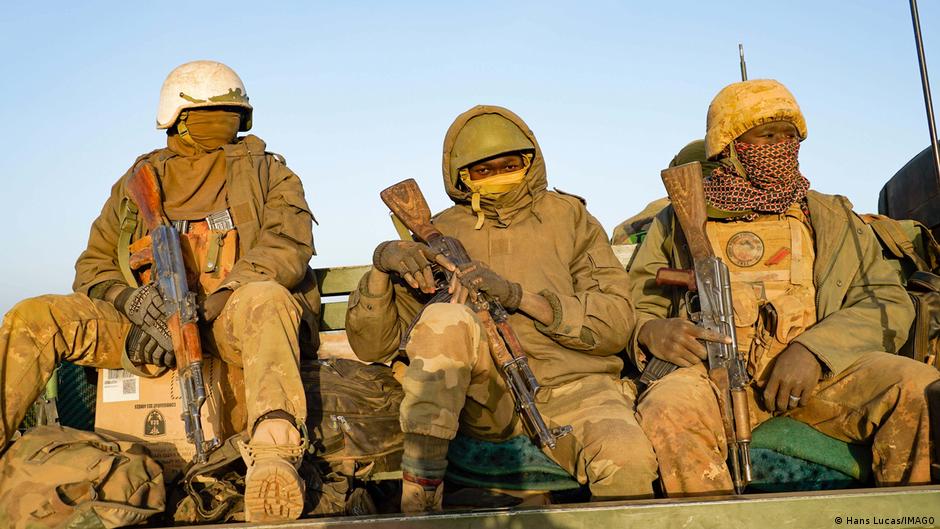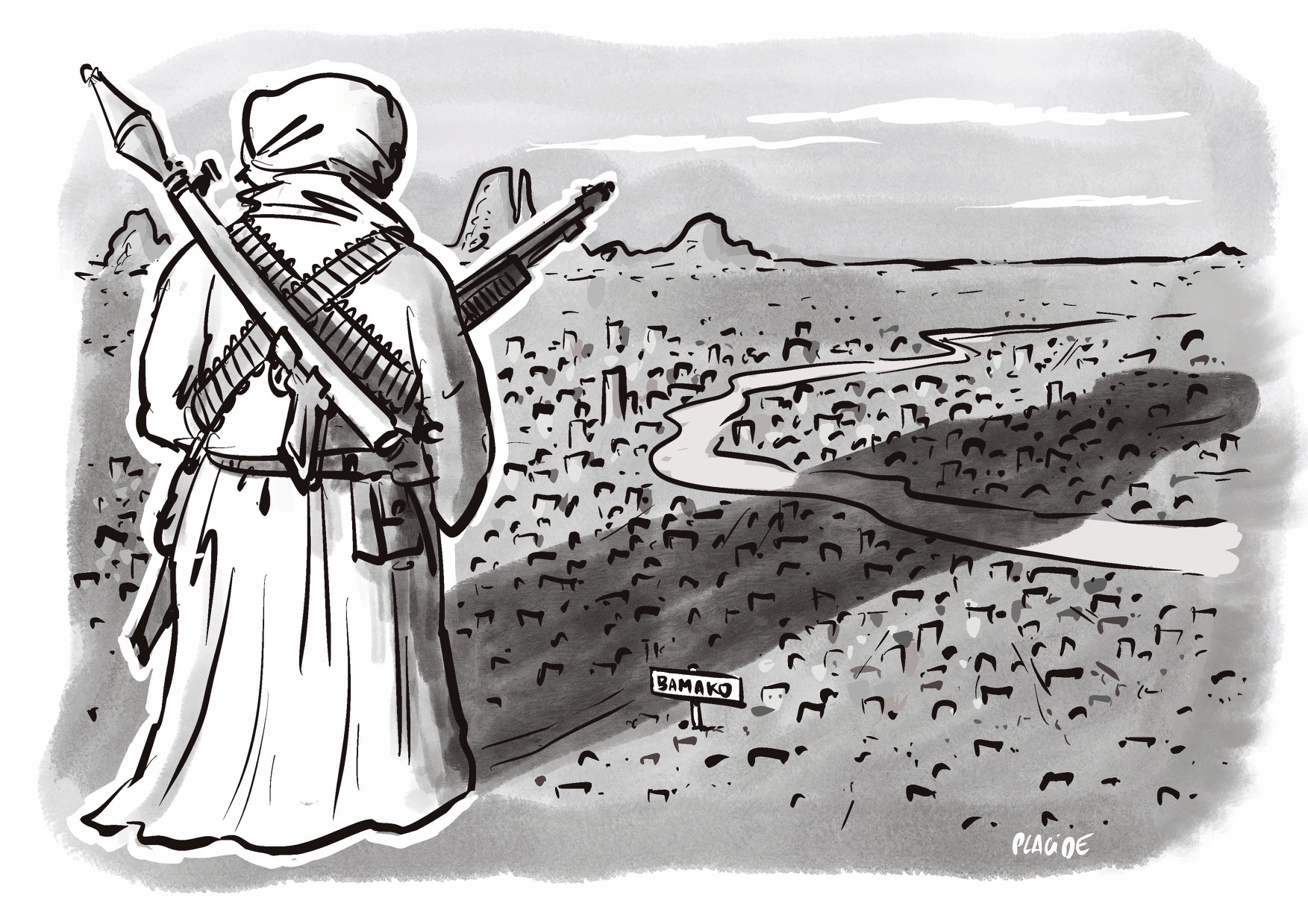
After over a year of deep diplomatic tensions, Mali and Algeria have restored their full diplomatic relations. The announcement came as a surprise to many, as few signals had foreshadowed such a thaw. Bamako had previously accused Algiers of being complicit with armed groups operating along their shared border, including the jihadist coalition Jama’at Nusrat al-Islam wal Muslimin (JNIM), affiliated with al-Qaeda, and the separatist Movement for the Liberation of Azawad (FLA).
Behind the thaw: geopolitical chess moves
Several factors appear to have contributed to this unexpected rapprochement. While some speculate about Russia’s influence, others point to mediation efforts by Niger, which itself recently restored relations with Algeria. According to insights from Michaël Béchir Ayari, principal analyst on Algeria at the International Crisis Group (ICG), the Nigerien mediation played a pivotal role in easing tensions between Bamako and Algiers.
Ayari notes that discussions between Algeria and Mali gained momentum after coordinated attacks in April 2025 by JNIM and the FLA. He adds, “The Nigeriens, having themselves renewed ties with Algeria early this year, acted as a bridge between the two capitals.”
Military-first approach under scrutiny
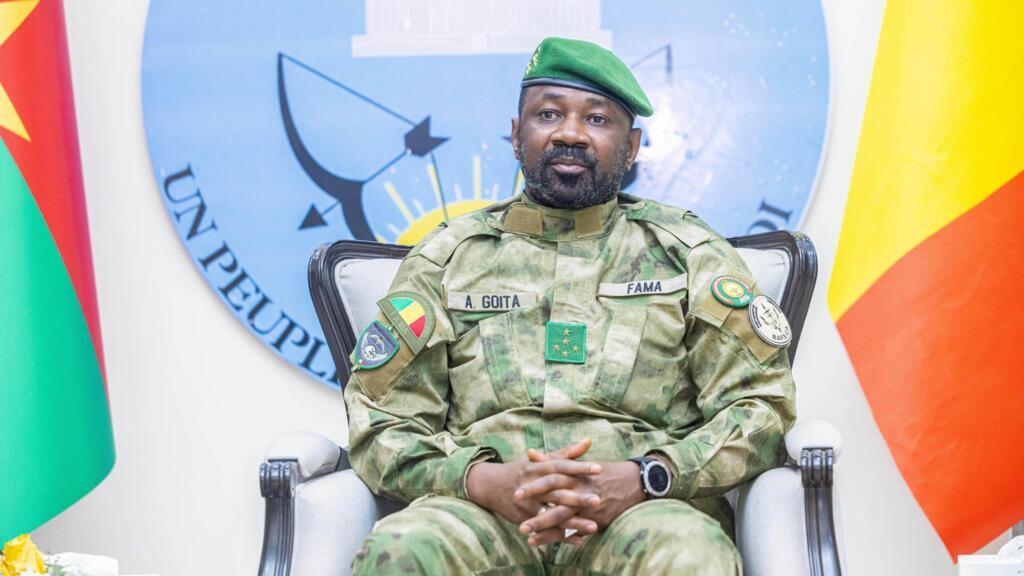
The Malian transitional authorities have long rejected any dialogue with armed groups, insisting on a military solution to the country’s security crisis. This stance, however, has yielded limited results, with the state’s authority continuing to erode. The Algerian approach, which favors dialogue and political solutions, presents an alternative that Bamako may now be considering.
Could this diplomatic shift lead Mali to reconsider its military-first strategy? Ayari believes it’s possible, but not guaranteed. “There must have been concessions made in this deal. The primacy of political logic over military action is likely one of them.”
While a full revival of the 2015 Algiers Peace Agreement seems unlikely, a fresh political initiative—particularly one involving the FLA—could emerge. Ayari emphasizes that “no one benefits from Mali’s collapse, not even Algeria.”
Security cooperation: the litmus test
Restored ties between Mali and Algeria will be put to the test in the coming weeks. The first concrete steps are expected to include enhanced security coordination and intelligence sharing. Algeria, which maintains contacts with certain FLA leaders, could play a moderating role in de-escalating tensions.
However, challenges remain. Ayari warns of potential spoilers—internal factions within the Malian regime, public opposition, or unpredictable developments on the ground, such as a resurgent JNIM. “The hardline military approach hasn’t worked so far. Now, everyone seems willing to compromise for the sake of stability.”
Unresolved grievances
The path to reconciliation is not without hurdles. In April 2025, Mali accused Algeria of shooting down a drone on its territory, a claim Algiers denied, insisting the drone was in Algerian airspace. While this specific incident may have been resolved, other disputes linger.
Algeria’s long-standing balancing act—maintaining ties with both Bamako and armed groups to preserve its influence—remains a contentious issue. The presence of Malian opposition figure Imam Dicko in Algeria, a vocal critic of the transitional authorities, is another sensitive topic. Ayari suggests that if the deal holds, Dicko’s public profile will likely diminish, though an extradition is improbable.
Is this thaw sustainable?
While the restoration of diplomatic relations is a positive sign, its durability remains uncertain. Ayari cautions that setbacks are possible, particularly if armed groups gain ground or internal political factions resist compromise. “Diplomatic communiqués don’t always translate into lasting change. The proof will be in the implementation.”
The next critical phase will be the resumption of security cooperation between Mali and Algeria. If this materializes, it could mark the beginning of a more stable chapter in the Sahel region’s turbulent security landscape.