Mali remains connected to a major regional electrification initiative spearheaded by the Economic Community of West African States (CEDEAO) despite its political withdrawal from the bloc. The ongoing project continues to deliver tangible benefits to Malian communities, highlighting how development programs can outlast diplomatic ruptures.
CEDEAO’s flagship project continues energizing Mali
The ECOWAS Regional Electricity Access Project (ECOWAS-REAP), launched in 2019, maintains full operational status in Mali despite the country’s 2026 departure from CEDEAO. Funded by a $225 million World Bank grant and coordinated by the regional body, the initiative targets underserved communities in Gambia, Guinea-Bissau, and Mali.
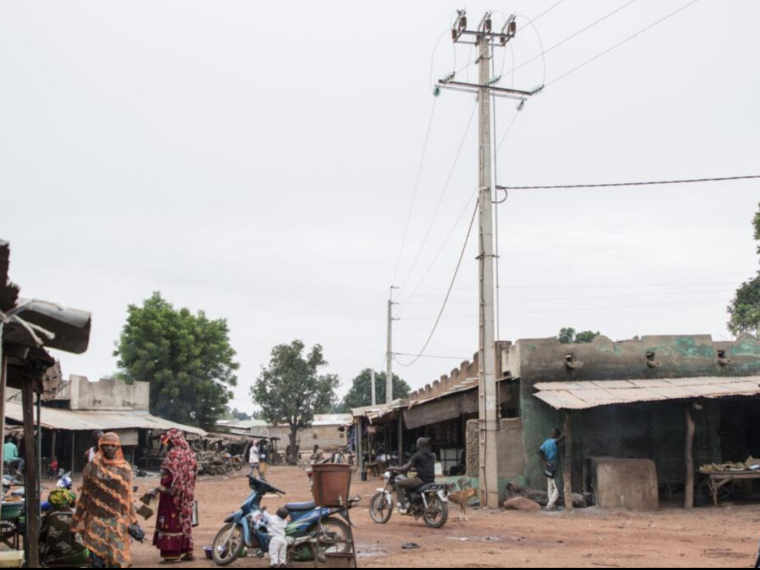
The latest progress report reveals remarkable achievements: 490 communities have been connected to the grid, bringing improved or new electricity access to approximately 500,000 people across the three participating nations.
Technical cooperation persists beyond political differences
In Abuja, Nigeria, energy officials from Mali, Gambia, and Guinea-Bissau convened with CEDEAO representatives to assess ECOWAS-REAP’s impact. Énergie du Mali (EDM-SA) participated actively, demonstrating that technical partnerships can endure even when political relations falter.
The Malian delegation included National Energy Director Oussouby Mary dit Ousmane Diarra, who emphasized the project’s lifeline value for communities facing economic and security challenges. His request for a 30-month extension—pending World Bank approval—reflects both the program’s urgency and implementation obstacles tied to security constraints.
Energy access takes priority over institutional rifts
For Mali, electricity remains a cornerstone of development. The project’s tangible outcomes—new connections, reduced blackouts, and enhanced economic opportunities—have made its continuation a non-negotiable priority. This pragmatism challenges the assumption that political splits automatically dismantle development initiatives.
The current phase focuses on sustaining infrastructure viability and transferring management responsibilities to national utilities, including Mali’s EDM-SA. Officials stress that once electrification gaps are closed, the long-term goal is to ensure these gains are not reversed.
What the Mali-CEDEAO case reveals about regional cooperation
Mali’s continued involvement in ECOWAS-REAP underscores a critical insight: people-centered projects often outlive institutional disputes. While diplomatic ties between Bamako and Abuja remain strained, the shared objective of energy access has kept the partnership alive. The key question now is whether this model can inspire similar resilience in other sectors.
As CEDEAO works to secure funding commitments and Mali pushes for expanded coverage, both sides appear committed to honoring their pre-2026 agreements. The result could redefine how West African nations balance political allegiances with developmental imperatives.