Mali’s fragile military junta faces unprecedented rebel assault
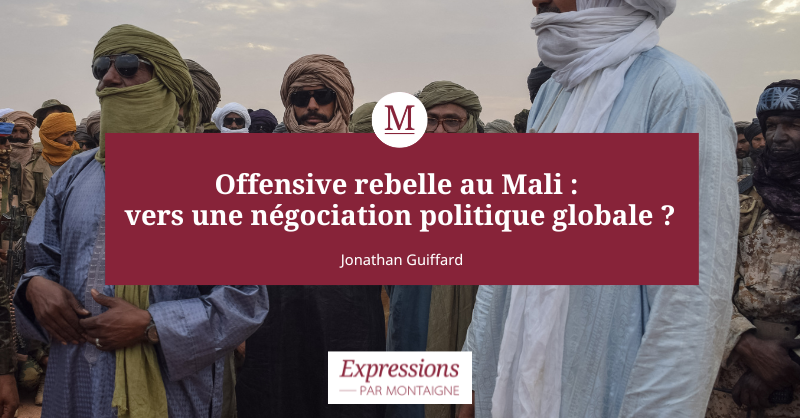
The Malian government led by Assimi Goïta, whose regime has relied heavily on Russian support, is reeling from a sweeping offensive launched on April 25, 2026, by two formidable armed groups: the Jama’at Nusrat al-Islam wal-Muslimin (JNIM), an Al-Qaïda affiliate, and the Front de Libération de l’Azawad (FLA), a coalition of Tuareg separatists. This coordinated attack has sent shockwaves through Bamako, exposing deep vulnerabilities in the junta’s hold on power and raising urgent questions about the country’s future.
For the first time since the catastrophic events of March 2012—when a similar coalition of jihadists and rebels seized control of northern Mali—these groups have launched a joint operation of such magnitude. Cities across the country, including Bamako, Kidal, Gao, Sévaré, and Mopti, became battlegrounds as the rebels targeted military positions held by Malian forces and their Russian allies. The assault marks a significant escalation, with rebel fighters capturing key northern towns and encircling major urban centers like Gao and Tombouctou.
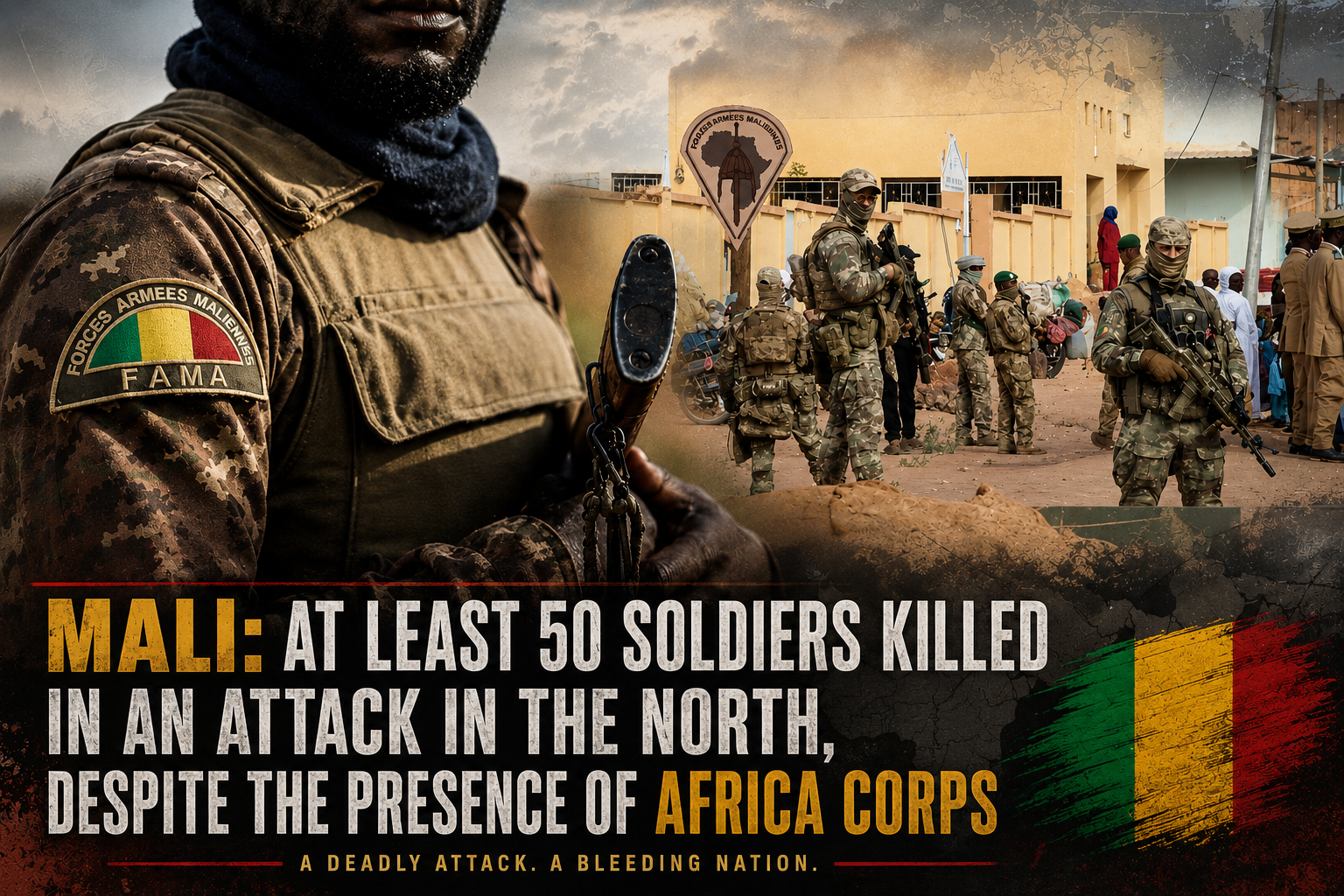
The offensive has already inflicted heavy losses on the Malian junta. High-ranking officials, including Defense Minister General Sadio Camara, were killed, while President Assimi Goïta was reportedly evacuated to Turkey before resurfacing publicly alongside Russian officials. The attack has also fueled internal tensions within the junta, with rumors of a power struggle involving General Malick Diaw, though these remain unconfirmed. What is clear, however, is that the assault has severely weakened the junta’s grip on power.
Key differences from the 2012 crisis
While the current offensive bears some resemblance to the events of 2012, critical differences set it apart. Unlike in 2012, when rebel and jihadist forces captured and executed Malian soldiers, the JNIM and FLA have adopted a different strategy this time. Their approach emphasizes negotiation and the disarmament of enemy fighters, allowing Malian troops to retreat and encouraging others to lay down their arms. This shift suggests a deliberate effort to present themselves as protectors of both civilians and soldiers against the junta’s repression.
The rebels have also demonstrated a surprising level of coordination. The JNIM, traditionally secretive, has allowed FLA leaders to take prominent roles in public communications, signaling a deeper alliance. Additionally, negotiations have reportedly taken place with Russian mercenaries, enabling them to withdraw from key northern bases without resistance—a tactic reminiscent of strategies used in Syria. Algeria is believed to have played a role in facilitating these talks, likely in coordination with the FLA.
The offensive has also revealed a sophisticated military strategy. By simultaneously targeting Bamako and central regions, the rebels have stretched Malian forces thin, creating opportunities for further advances in the north. The encirclement of Bamako, announced by the JNIM on April 28, has cut off vital supply routes, forcing the junta to rely on armed escorts for deliveries. This siege-like tactic mirrors the group’s broader strategy of strangulating the junta and its allies rather than seeking outright territorial control.
What the future holds for Mali
In the short term, the rebels are likely to consolidate their gains in the north, particularly in Kidal, Gao, and Tombouctou. The JNIM and FLA appear to have softened their objectives, with the FLA seeking de facto autonomy rather than full political independence for the Azawad region, and the JNIM adopting a more restrained interpretation of Islamic law. This pragmatic shift reduces the likelihood of a repeat of the violent governance seen in 2012, when jihadists imposed strict rule and clashed with their Tuareg allies.
The junta’s position remains precarious. Despite the arrival of Russian reinforcements, Malian forces have struggled to regain the initiative. The loss of key officials and the junta’s growing internal divisions have further eroded its authority. Meanwhile, the JNIM’s presence in central Mali suggests that new offensives could be launched against towns like Gossi, Boni, and Mopti, though these may focus more on disrupting military operations than seizing territory.
The situation in southern Mali is less clear. While the JNIM has long controlled rural areas in the center of the country, its ability to govern large urban centers remains limited. However, the capture of northern cities could provide the group with a recruitment boost, similar to what occurred in 2012–2013. This dynamic could significantly strengthen the JNIM’s position in the long run.
International implications and possible outcomes
The unfolding crisis in Mali poses difficult questions for the international community. The rise of a jihadist proto-state in the Sahel would present a new security challenge, particularly if the JNIM’s ties to Al-Qaïda persist. While Western powers like France have historically intervened in such scenarios, the political and military landscape has shifted dramatically since the withdrawal of international forces in 2022. An intervention of the same scale as Operation Barkhane is now highly unlikely, given the lack of political will and the changing priorities of global powers.
In this context, regional actors like Algeria and Mauritania may play a more prominent role. Both countries have historical ties with the FLA and have engaged in dialogue with JNIM leaders. However, their willingness to act as mediators remains uncertain. Algeria, in particular, has maintained a policy of non-intervention beyond its borders, while Mauritania has a long-standing non-aggression pact with jihadist groups, including the JNIM.
The most plausible scenario is a negotiated settlement, though this faces significant hurdles. The JNIM has shown signs of moderating its approach, seeking to normalize its image and engage in dialogue. However, its continued allegiance to Al-Qaïda and refusal to engage directly with the international community complicate efforts at normalization. The FLA, meanwhile, has signaled a willingness to negotiate based on the 2015 Algiers Accords, which granted limited autonomy to northern regions.
For the junta, the path forward is equally treacherous. While the Russian alliance has provided temporary support, it has also deepened divisions within the military and alienated large segments of the population. The junta’s survival may depend on its ability to secure alternative alliances or accept a power-sharing arrangement with rebel groups. However, the growing influence of the JNIM and the FLA makes this increasingly difficult.
Long-term strategic considerations
Looking ahead, the creation of a jihadist proto-state in Mali would have far-reaching consequences for the Sahel and beyond. The international community must prepare for the possibility of increased terrorist threats emanating from the region, particularly if the JNIM is allowed to consolidate its control. This scenario would require a coordinated response from regional and global partners to contain the threat and prevent the spread of extremism.
For European countries, the crisis underscores the need for a rethink of their engagement in the Sahel. Traditional military solutions have proven ineffective, and a new approach—one that combines diplomatic pressure, economic incentives, and targeted support for local governance—may be necessary. The stakes are high, not only for Mali but for the broader stability of West Africa.