Maroc 2026: the political outsiders shaping the race for prime minister
As Morocco braces for a pivotal legislative election in September 2026, the corridors of power in Rabat buzz with speculation. Who will step into the Mechouar Saïd, the prime minister’s office, once the ballots are counted? The race is heating up, and the usual names are no longer the only contenders. A new generation of politicians, each with their own ambitions and challenges, is emerging from the shadows.
The current head of government, Aziz Akhannouch, has been a dominant figure, but the winds of change are blowing. His potential successors are a mix of seasoned technocrats, economic reformers, and political strategists. Some bring decades of experience, while others are relatively untested but hold significant influence within their parties or sectors.

Key figures in the running
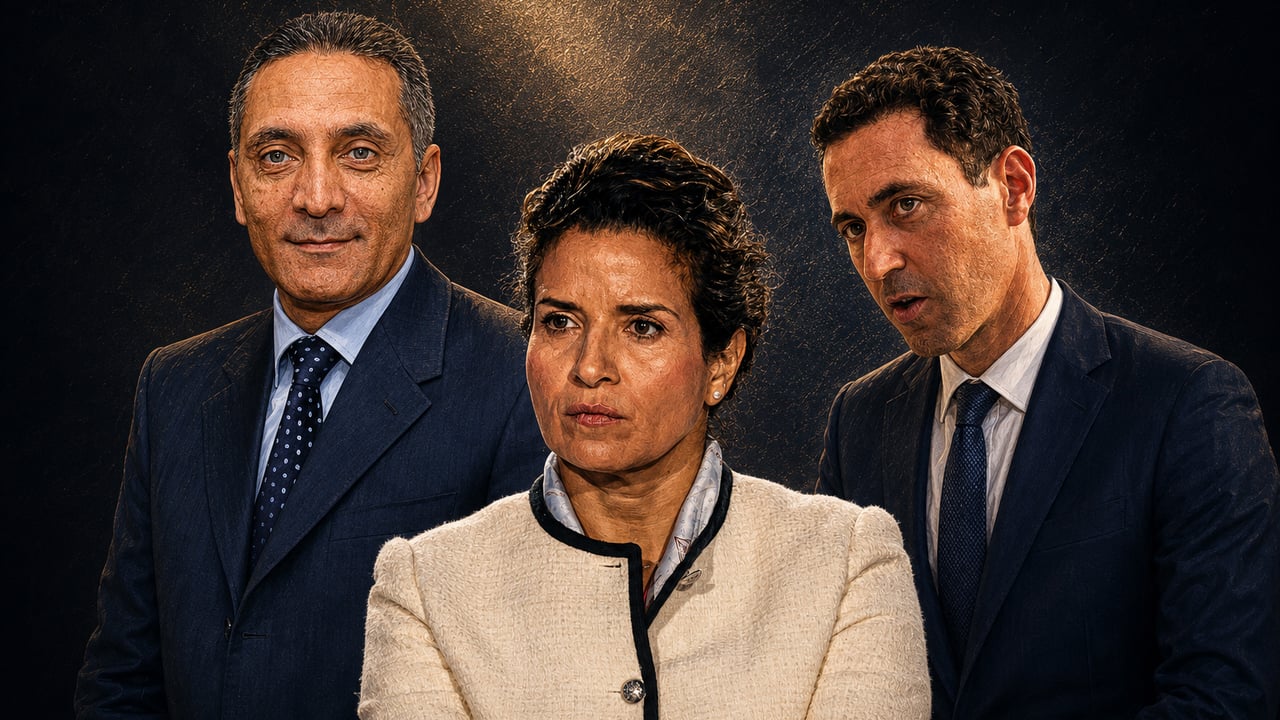
The lineup of potential prime ministers reflects the diverse ambitions within Morocco’s political landscape. Among them:
- Mostafa Terrab: A heavyweight in Morocco’s industrial and economic circles, Terrab has long been a behind-the-scenes player. His expertise in energy and mining could make him a strong candidate if the next government prioritizes economic recovery and infrastructure development.
- Nizar Baraka: As a prominent figure in the Parti de la Justice et du Développement (PJD), Baraka has been a vocal advocate for social reforms. His ability to connect with grassroots movements could position him as a bridge between traditional politics and emerging voter demands.
- Abdelouafi Laftit: A seasoned politician with deep ties to the Rassemblement National des Indépendants (RNI), Laftit is known for his strategic acumen. His focus on administrative reform and decentralization could appeal to voters seeking modern governance.
- Younes Sekkouri: Representing the Parti Authenticité et Modernité (PAM), Sekkouri has carved a niche as a reformist voice. His background in education and youth affairs aligns with the priorities of a younger electorate eager for change.
- Nadia Fettah Alaoui: A rising star in Moroccan politics, Fettah Alaoui brings a fresh perspective to the table. Her experience in finance and her ability to navigate complex policy debates make her a formidable contender.
- Fouzi Lekjaâ: As a close ally of the current administration, Lekjaâ has been instrumental in shaping Morocco’s economic policies. His deep understanding of fiscal matters could secure his place as a continuity candidate in a shifting political climate.
What’s at stake?
The upcoming election is more than a routine political transition—it’s a potential turning point for Morocco. The next prime minister will inherit a nation grappling with economic challenges, social expectations, and regional dynamics. Will the winner be a reformist, a technocrat, or a political survivor? The answer will shape Morocco’s trajectory for years to come.
With less than two months to go, the race is far from decided. Each candidate brings a unique blend of strengths and vulnerabilities. For voters, the choice will hinge on who can best address the pressing issues of the day—jobs, education, and stability—while steering the country toward a prosperous future.