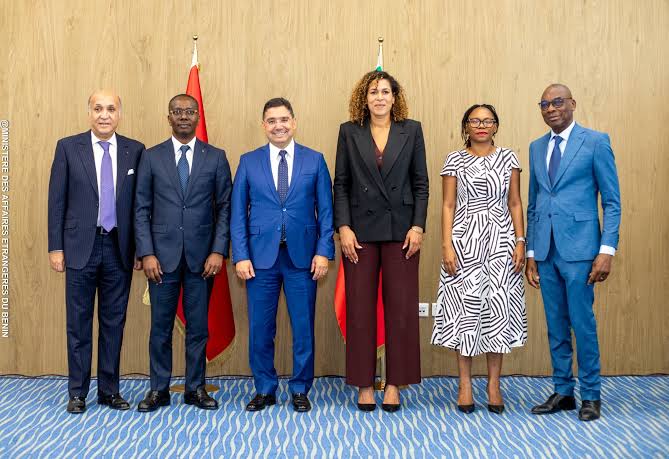
In a landmark move to deepen diplomatic and economic collaboration, the Kingdom of Morocco and the Republic of Benin have finalized a robust framework of 14 strategic agreements during a high-level meeting in Cotonou. Held on Tuesday, July 21, 2026, this seventh session of bilateral talks underscored a shared commitment to fostering mutual growth, security, and sustainable development.
Justice, security, and legal sovereignty
Security and judicial cooperation emerged as a cornerstone of the new accords. Three pivotal treaties were signed to enhance cross-border crime prevention and streamline legal proceedings: a mutual legal assistance agreement in criminal matters, an extradition treaty, and a convention on the transfer of sentenced persons. An additional security cooperation accord was ratified, complete with a financial protocol to bolster civil protection initiatives, alongside updated joint action plans in the justice sector. These measures aim to create a robust institutional framework that safeguards the interests and safety of citizens in both nations.
Investment in human capital and productive sectors
The bilateral roadmap places significant emphasis on education, vocational training, and youth empowerment. A comprehensive framework agreement was extended to cover academic scholarships, internships, and knowledge-sharing initiatives for the 2026-2029 period. A dedicated vocational training convention was also formalized, while new avenues of collaboration were opened in higher education, scientific research, and innovation through a memorandum of understanding focused on sports and athletic training.
Economic, environmental, and sectoral cooperation also took center stage. Key agreements included a mutual administrative assistance protocol in customs matters and a cooperation protocol on food safety standards. The tourism and environmental sectors were not overlooked, with a joint promotional tourism partnership and a memorandum dedicated to ecological transition and sustainable development initiatives.
The signing of these 14 agreements marks a decisive step toward reinforcing the Rabat-Cotonou axis, laying the groundwork for stronger regional integration and collective prosperity.