The political landscape in Morocco is heating up as the Party of Justice and Development (PJD) and the Justice and Spirituality Movement (Al Adl Wal Ihsane) reignite their longstanding debate over the relevance of elections in the country’s governance.

a renewed ideological divide
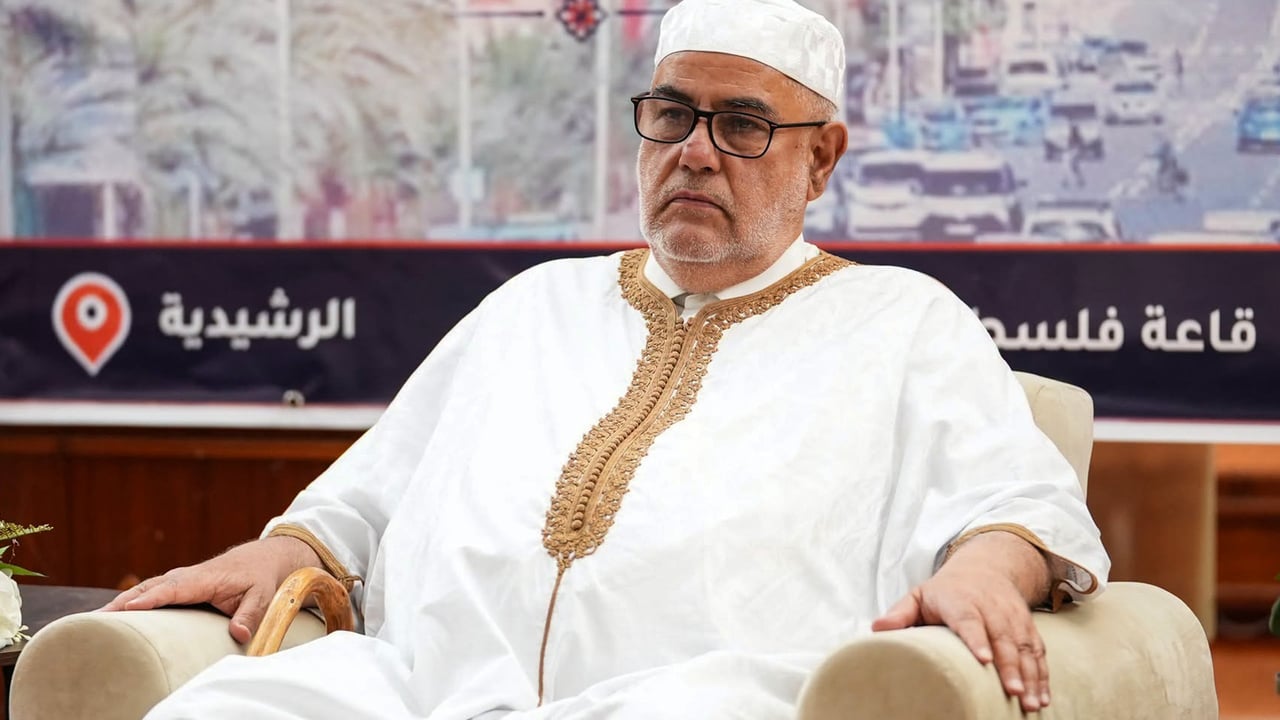
The PJD, led by former Prime Minister Abdelilah Benkirane, has long advocated for gradual reforms through electoral participation, positioning itself as a pragmatic force within Morocco’s political system. Meanwhile, Al Adl Wal Ihsane, a grassroots Islamic movement, remains steadfast in its rejection of electoral politics, arguing that participation legitimizes a system it views as fundamentally flawed.
This divergence has resurfaced in recent weeks, with both groups exchanging sharp criticisms that have dominated public discourse. The PJD has accused Al Adl Wal Ihsane of undermining democratic progress, while the movement has countered by labeling the PJD’s approach as complicit in perpetuating a system it claims fails to address the needs of ordinary citizens.
the PJD’s stance: elections as a tool for change
The PJD contends that elections provide a critical platform for incremental reform, allowing it to influence policy from within the government. Benkirane, speaking at a recent gathering, emphasized the party’s commitment to working within the constitutional framework, stating that electoral participation is essential for achieving tangible societal progress.
“Morocco’s political evolution cannot be achieved through boycotts or rejection,” he argued. “The PJD’s strategy is rooted in constructive engagement, ensuring that our voices are heard in the halls of power.”
al adl wal ihsane’s counterargument: rejecting a rigged system
Al Adl Wal Ihsane, on the other hand, dismisses the PJD’s approach as ineffective. The movement’s leadership argues that Morocco’s electoral process is inherently undemocratic, citing widespread allegations of manipulation and lack of transparency. In a statement last month, the group reiterated its refusal to participate, calling on supporters to focus instead on grassroots mobilization and direct advocacy for citizens’ rights.“The system is designed to co-opt dissent,” a senior figure in the movement stated. “Participation only lends legitimacy to a process that fails to deliver real justice or representation.”
public reactions and political fallout
The renewed tensions have sparked vigorous debates across Moroccan society. Social media platforms are abuzz with discussions, while traditional media outlets dissect every statement from both sides. Political analysts suggest that this clash reflects deeper divisions over the country’s future direction—whether to embrace gradual reform or push for a more radical transformation.
As Morocco navigates these turbulent times, the outcome of this ideological battle could shape the nation’s political trajectory for years to come. Will the PJD’s pragmatic approach prevail, or will Al Adl Wal Ihsane’s rejectionist stance gain broader traction? The answer remains uncertain, but one thing is clear: the stakes have never been higher.