Fuel shortages paralyze Niger’s capital as crisis deepens
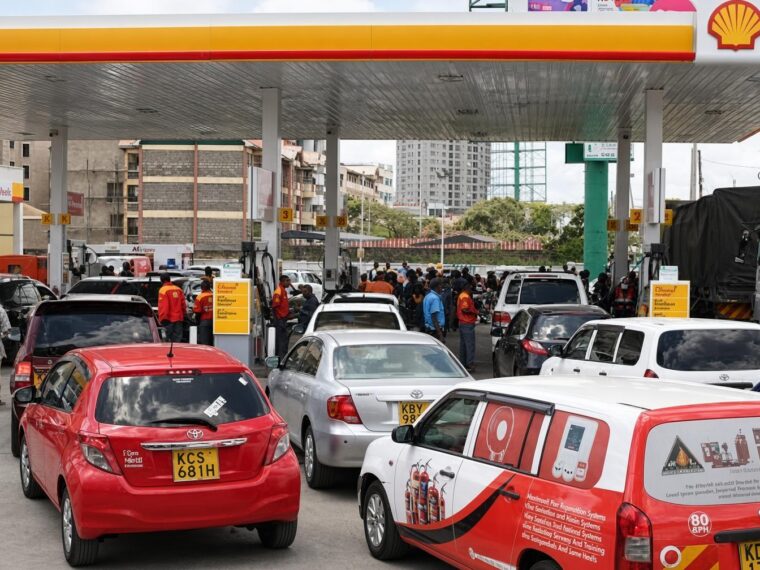
Long queues stretch for kilometers outside Niamey’s gas stations, where drivers wait for hours under scorching sun to fill their tanks. The fuel scarcity gripping Niger has reached critical levels, forcing authorities into desperate measures. As demand surges and supply collapses, the government’s haphazard response has only intensified the chaos.
Government’s failed strategy intensifies public suffering
The Ministry of Commerce’s attempt to guide motorists to remaining supplies backfired spectacularly. By publishing a limited list of stations still receiving fuel, officials inadvertently created bottlenecks as desperate drivers converged on the same locations. This misguided communication merely redistributed the suffering from one neighborhood to another without addressing the root cause of the crisis.
The impact extends far beyond inconvenience. Fuel powers Niger’s entire economic machinery—from daily commutes to food distribution chains. Transporters now either cancel trips entirely or impose crippling surcharges on already struggling citizens. Meanwhile, black market vendors exploit the vacuum, peddling adulterated and dangerous fuel at exorbitant prices.
Structural imbalance exposes systemic failure
Despite boasting about national energy sovereignty, Niger’s fuel infrastructure reveals a stark reality of inept planning. The country’s Soraz refinery in Zinder operates at only a fraction of required capacity. Official data confirms a staggering deficit of 196.62 million liters of gasoline and 52.60 million liters of diesel over the first eight months of the year.
The crisis stems from fundamental mismatches between supply and demand. Soraz’s 20,000 barrels-per-day capacity, primarily oriented toward diesel production, proves woefully inadequate for gasoline needs. Worse still, the abrupt halt of subsidized Nigerian fuel imports—after Nigeria eliminated its subsidies—has removed a key supply source that Nigerian authorities failed to anticipate.
Rather than implementing long-term solutions, officials resort to crisis management tactics that merely postpone suffering. The current rationing system and opaque distribution channels provide no transparency about stock levels or delivery schedules, fueling public distrust.
Black market fuels desperation across Niamey
The informal fuel market has mushroomed in response to official failures. Motorcyclists and taxi drivers increasingly turn to black-market vendors who sell adulterated fuel at three times the official price. This dangerous cycle drives up transportation costs, placing additional strain on an economy already teetering on the edge.
Households bear the brunt of these failures. Commuters waste entire days waiting for fuel, while small businesses face crippling operational costs. If this situation persists, analysts warn of cascading inflation that will make basic necessities unaffordable for most Nigeriens.
Empty promises fail to address rising public anger
The Ministry of Petroleum has repeatedly dismissed allegations of mismanagement or fraud without providing concrete evidence of proper oversight. Official statements ring hollow as citizens struggle to reconcile claims of competence with daily realities. The absence of verifiable data about fuel imports and distribution systems has eroded public confidence in governmental institutions.
Without urgent structural reforms and transparent management, Niamey’s fuel crisis threatens to destabilize both the local economy and public trust in governance. The current approach amounts to little more than damage control, leaving citizens to navigate a dangerous and uncertain fuel landscape.