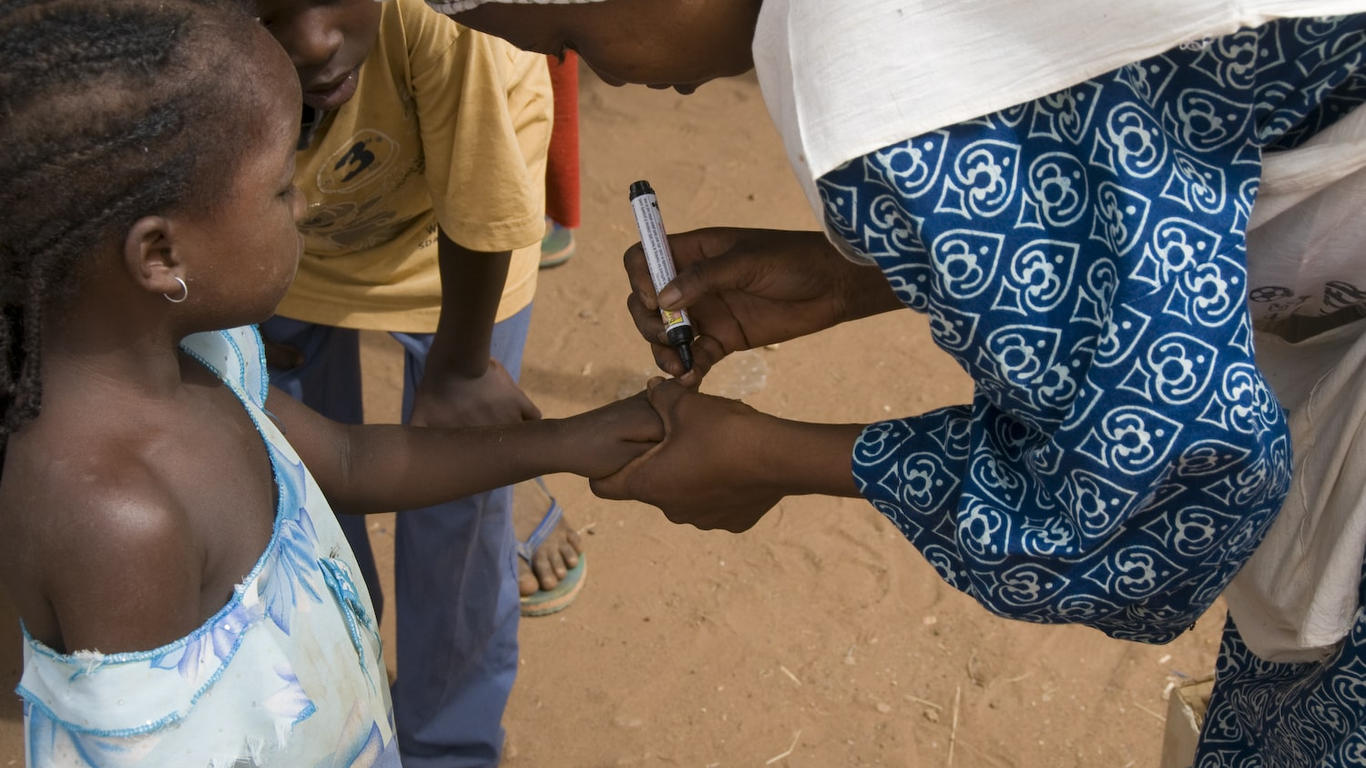
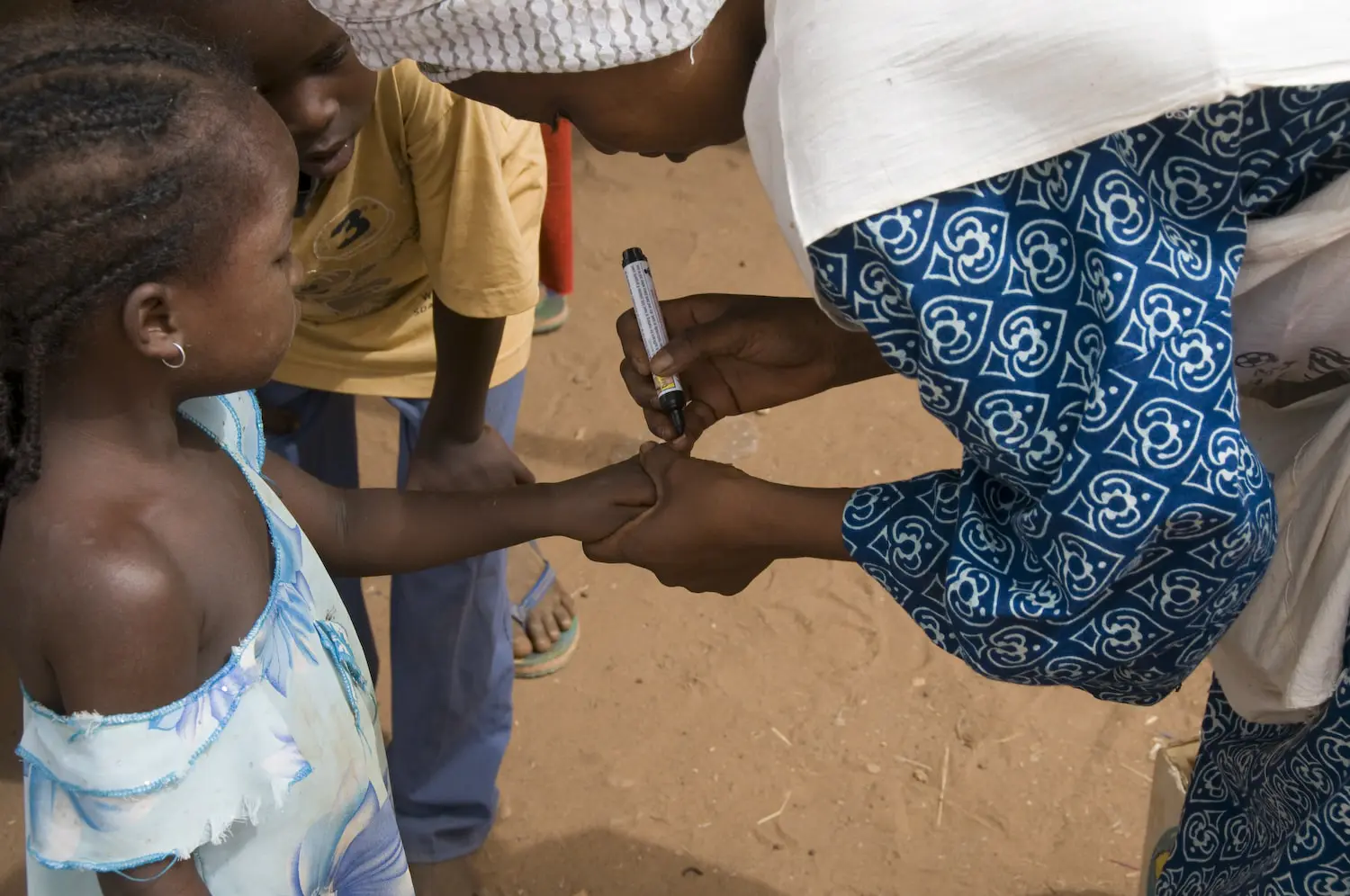
While managing the global coronavirus pandemic, Niger is currently grappling with a secondary health emergency. A resurgence of poliomyelitis has been confirmed, with two pediatric cases identified in the regions of Niamey and Tillaberi.
Various areas across Niger are seeing a rise in coronavirus infections while simultaneously battling this polio flare-up. Although the transmission methods differ—COVID-19 spreads through respiratory droplets, whereas polio is typically contracted via contaminated water, tainted food, or poor hand hygiene—the two diseases share several clinical symptoms, including coughing, headaches, and high fevers.
“Niger successfully halted earlier polio outbreaks through high-quality mass immunization efforts in 2019. However, replicating that success is currently impossible, as mass vaccination drives have been put on hold to comply with global COVID-19 safety protocols regarding handwashing and physical distancing,” noted Dr Pascal Mkanda, who coordinates the polio eradication initiative for the African Region.
Late last year, Niger, alongside Kenya and Mozambique, celebrated the end of polio outbreaks that had persisted for two years. Regrettably, the current circulation of vaccine-derived poliovirus is a distinct event and is not connected to the transmission cycle that was declared over last year.
The risk of continued poliovirus circulation
“Without the ability to launch timely and effective vaccination campaigns, the poliovirus will naturally continue to spread, potentially leading to more cases of childhood paralysis,” Dr Mkanda warned.
Niger is now among 15 African nations currently reporting outbreaks of vaccine-derived poliovirus. This group includes countries such as Angola, Bénin, Burkina Faso, Cameroon, the Central African Republic, Chad, Côte d’Ivoire, the Democratic Republic of the Congo, Ethiopia, Ghana, Mali, Nigéria, Togo, and Zambia. In these regions, factors like insufficient routine immunization coverage, vaccine hesitancy, geographical barriers, and suboptimal campaign quality have hindered efforts to protect every child.
Even though large-scale immunization activities are paused for the time being, the African Region’s polio eradication program is focused on maintaining critical disease monitoring. While polio remains incurable, it is entirely preventable through simple and effective vaccines. Consequently, stakeholders in Niger and across the continent are working to find ways to bolster immunity levels and shield children from the devastating effects of paralytic polio.