Niger’s government has escalated its response to worsening fuel shortages by enforcing overnight curfews at gas stations and banning informal fuel sales—a move that critics warn will deepen the crisis rather than resolve it.
Government imposes restrictive measures amid growing shortages
Starting October 19, 2026, the Nigerien authorities have rolled out a series of emergency measures targeting fuel distribution. Under a joint decree from the Ministries of Interior, Petroleum, and Commerce, all licensed gas stations must now close between 9 PM and 6 AM daily. The stated goal is to streamline nighttime fuel deliveries by allowing unobstructed access for transport tankers from the Société Nigérienne de Pétrole (SONIDEP) to refill storage tanks.
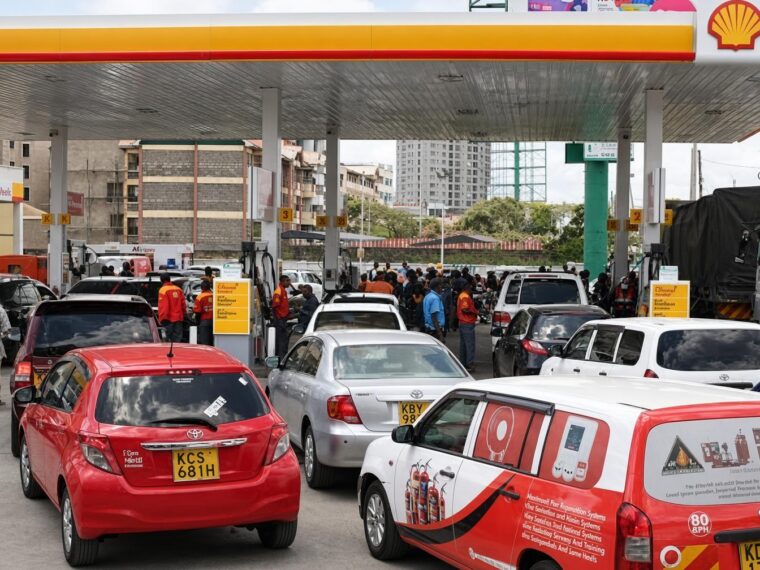
The policy, however, has drawn sharp criticism for its immediate impact on civilians. With reduced operating hours, long queues at gas stations during daylight hours are expected to surge, particularly during peak demand times. While the government has pledged to designate certain stations as 24-hour emergency hubs, details on how these will function—and whether they can handle the surge in demand—remain vague.
Black market crackdown: a political or practical misstep?
The second component of the emergency plan bans the sale of fuel in jerry cans and other informal containers across all towns equipped with at least one registered gas station. Authorities claim this measure will curb artificial scarcity and speculation driven by unlicensed vendors. Yet, the policy overlooks a harsh reality: many communities rely on informal fuel sales due to consistent failures in the formal supply chain.
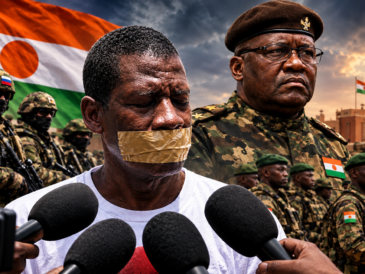
By shifting responsibility onto small-scale sellers and deploying security forces to enforce the ban, the government has chosen a confrontational approach over tangible efforts to stabilize supply. The crackdown risks alienating citizens rather than addressing the core issue: ensuring reliable fuel availability without relying on punitive measures.
Will emergency rules worsen the fuel shortage?
The emergency protocol, developed in collaboration with SONIDEP, Niamey’s local governance, and regional authorities, is framed as a temporary solution. Officials have urged the public to demonstrate “civic responsibility” and adapt their routines to the flawed distribution system. Yet, without structural reforms to oil logistics or concrete commitments to increase national stockpiles, these restrictions may simply transform the fuel crisis into a daily burden for motorists.
With no guarantee that supply bottlenecks will ease, the government’s hardline stance may succeed only in intensifying frustration among Nigeriens—while doing little to eliminate the black market it aims to dismantle.