The Nigerien transitional authorities have issued an official decree stripping Dr. Mayra Djibrine, President of the Alliance of Democrats of the Sahel (ADS), of her Nigerien citizenship. This unprecedented move, targeting a Brussels-based organization, has ignited fierce debates across Niamey, with reactions ranging from strong approval to deep concern.
An unprecedented decision with far-reaching consequences
The Nigerien government has taken a bold step by revoking the nationality of Dr. Mayra Djibrine, a prominent academic and leader of the ADS. The decree, framed within a broader tightening of regulations against dissenting voices abroad, effectively strips her of all civic and political rights tied to her Nigerien heritage.
The authorities in Niamey have justified this action by citing “actions contrary to the strategic interests and sovereignty of Niger.” Over recent months, the ADS has repeatedly criticized the management of the country’s transition process, lobbying European institutions for an immediate return to constitutional order. The transitional government views these activities as attempts to destabilize the nation, thereby warranting the application of a 2024 ordinance that allows for the revocation of nationality in cases of treason or threats to national defense.
Niamey’s divided reactions: pride versus apprehension
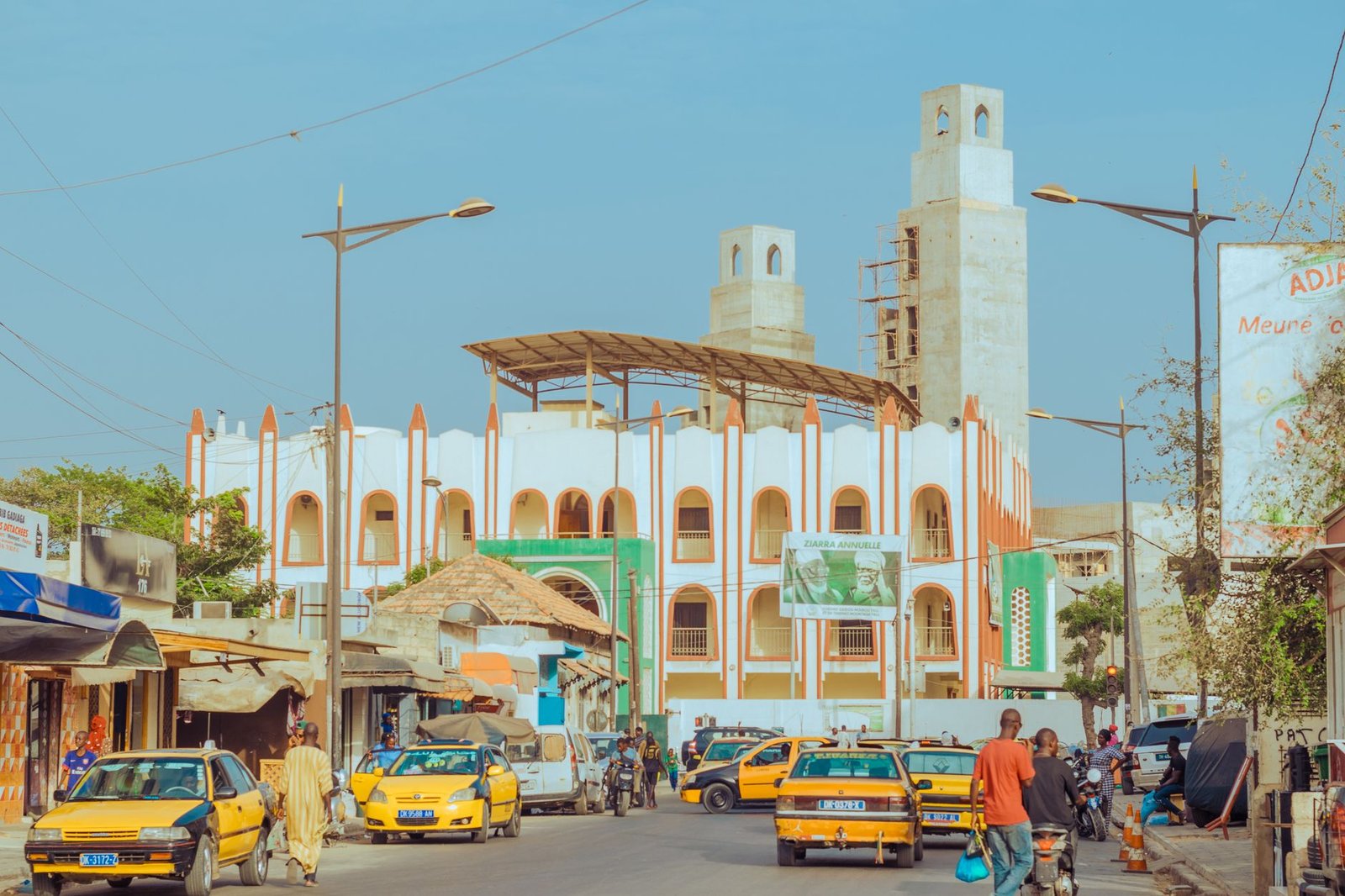
In the bustling streets of Niamey, the decree has become the talk of the town. From informal gatherings in local markets to academic circles, opinions are sharply divided. At the heart of the Grand Market, Amadou, a fabric trader, firmly supports the decision: “The country is at a pivotal moment in its history. We cannot tolerate fellow citizens comfortably settled in Europe while calling for sanctions against their own people. If you oppose Niger’s interests from abroad, it’s only fair that Niger rejects you. This is a matter of patriotism.”
Yet, just a few streets away, in the intellectual hub of the Abdou Moumouni University district, the tone is starkly different. Fatouma, a public law student, voices serious concerns: “This sets a dangerous precedent. Revoking someone’s nationality for their political views—even if expressed from Brussels—raises major legal issues. Nationality is a fundamental right, not a privilege the state can revoke at will. Today, it’s Dr. Djibrine; who will be next?” Her fears reflect those of many local observers who warn of a shrinking democratic space and the potential erosion of social cohesion.
Legal and diplomatic ripple effects
The legal community in Niamey is closely examining the grounds for this extraordinary measure. The Nigerien Nationality Code, recently amended by the National Council for the Safeguard of the Homeland (CNSP), significantly broadens the grounds for revocation. Proponents of the decree argue it aligns with the country’s exceptional legal framework. Critics, however, argue it violates international conventions ratified by Niger, which prohibit rendering individuals stateless.
Diplomatically, the decision sends a clear message to the diaspora and host nations, particularly in Europe. By targeting the ADS president based in Brussels, Niamey is signaling its determination to suppress political dissent, even beyond its borders, by employing the ultimate sanction of civic death.
A turning point in Niger’s political landscape
The revocation of Dr. Mayra Djibrine’s nationality marks a significant escalation in the transitional government’s strategy of political control and national security. While some citizens applaud the move as a necessary act of defense for the nation, others remain uneasy about the long-term implications for civil liberties and democratic debate. As Niger continues to redefine its internal dynamics and global alliances, the tension between state security and individual rights remains as pressing as ever.