Nigeria’s election security pledges: mixed reactions and what lies ahead
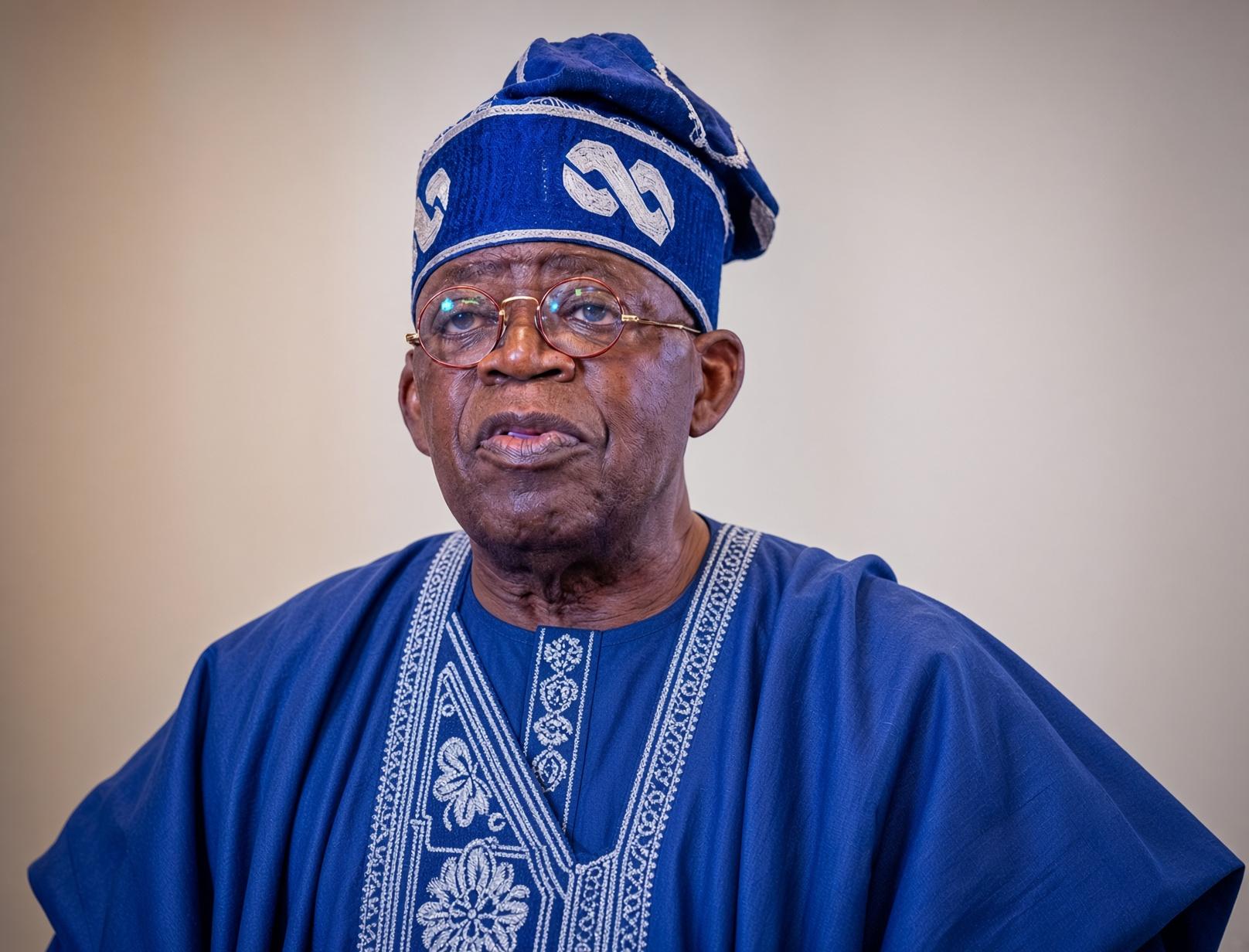
As Nigeria edges closer to its next presidential election, the question of how to keep the vote safe has moved to the heart of national conversation. With lingering anxiety among citizens and international observers about political violence, ballot fraud and insecurity in several parts of the country, the leadership of the Nigeria Police Force (NPF) has been issuing a steady stream of reassuring statements.
Reactions to the neutrality pledge
The Inspector General of Police, Olatunji Disu, together with his regional commanders, has publicly restated a commitment to a poll that is “free, fair and transparent.” In an effort to push back against long-standing accusations of bias or leniency toward the ruling party, police chiefs are promising strict impartiality from their officers throughout the entire process, from campaigning to vote counting. An internal audit mechanism overseen by the police spokesperson, DCP Anthony Placid, has been announced, along with the threat of tough disciplinary measures for any officer who fails to uphold impartiality.
What the public debate is saying
Civil society groups and opposition leaders have reacted with caution. While they acknowledge the promises, they argue that the real test will be whether the police can translate words into action on the ground. Analysts note that the credibility of the upcoming election will hinge largely on the force’s ability to protect every citizen who turns out to exercise their civic duty.
Beefed-up deployment and its consequences
To calm the voting process in a vast country marked by multiple flashpoints — banditry in the North-West, jihadist insurgency in the North-East, and separatist or criminal tensions in the South-East — the police are pledging:
- A heavy presence around polling stations: An exceptional mobilisation of personnel to prevent ballot stuffing, theft of election materials and voter intimidation.
- More mobile patrols: Securing major roads and strategic collation centres.
- Inter-agency cooperation: Closer coordination with the armed forces led by the Chief of Army Staff, General Waidi Shaibu, the Nigeria Security and Civil Defence Corps (NSCDC), and intelligence services directed by the National Security Adviser, Nuhu Ribadu, to lock down high-risk areas.
Technology and a crackdown on vote-buying
Aiming to keep pace with new challenges, the NPF is highlighting a modernisation of its methods. Under the push of the Minister of Police Affairs, Ibrahim Gaidam, authorities promise to deploy digital surveillance tools and strengthen operational intelligence to dismantle vote-buying networks — a recurring practice in recent elections. Specialised anti-corruption units will be sent out to support investigators.
Outlook: between hope and scepticism
These solemn commitments are intended to rebuild public trust in institutions, yet civil society and opposition figures remain watchful. The real effectiveness of the plan will depend on the ability to move from pledges to concrete action in a particularly volatile security environment. Observers stress that the future election’s legitimacy will rest heavily on whether the police can guarantee protection for every citizen who comes out to vote.