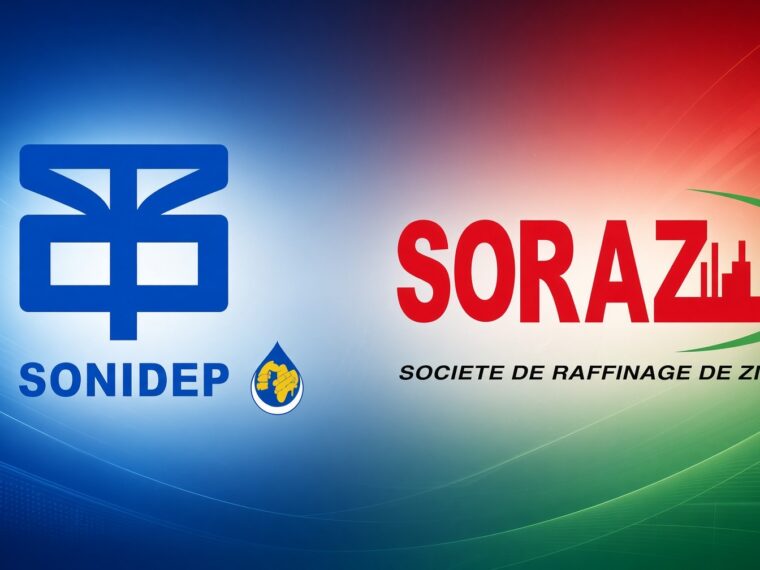
The Nigerien petroleum sector is at a decisive juncture as the National Oil Products Company (SONIDEP) faces an unprecedented financial crisis. Its overdue debt to the Zinder Refining Company (SORAZ) has ballooned to 418 billion FCFA, triggering a domino effect of operational and economic consequences across the country.
This financial strain marks a critical turning point for both entities and the nation’s energy stability. The ripple effects are already being felt from Niamey to Agadez, where fuel shortages and delayed payments threaten public services and private enterprises alike.
How a manageable debt spiraled into a national emergency
Historically, SONIDEP’s debt to SORAZ hovered between 40 and 50 billion FCFA under previous administrations. However, a combination of administrative bottlenecks, regulatory constraints, and shifting market dynamics has catapulted the figure to an unsustainable 418 billion FCFA.
The root causes of this crisis include:
- Delayed public sector payments: Large institutional and state-owned clients have withheld payments, starving SONIDEP of vital liquidity.
- Price regulation bottlenecks: Government-mandated fuel price caps and delayed tariff adjustments have eroded profitability, leaving little room for debt settlement.
- Rising domestic demand: Increasing consumption of gasoline and diesel has forced SONIDEP to draw more fuel from SORAZ, without corresponding cash flow to settle invoices.
SORAZ on the brink: delayed payments paralyze operations
The Zinder refinery, a joint venture between Niger’s government and China National Petroleum Corporation (CNPC), now faces severe operational constraints. The unpaid bill threatens its ability to meet payroll, settle supplier invoices, and fund critical maintenance to keep its facilities running.
On the ground, these financial pressures have already manifested in disruptions:
- Restricted fuel lifts from the refinery
- Protracted negotiations over supply quotas
- Occasional blockades at refinery exits
- Extended queues at service stations due to erratic supply
These bottlenecks are putting immense strain on Niger’s daily life, from healthcare to transportation, as fuel availability becomes increasingly unpredictable.
A three-pronged strategy to avert sector-wide collapse
In response to the escalating crisis, transitional authorities and senior management at both SONIDEP and SORAZ are coordinating a comprehensive restructuring plan. The goal is to restore liquidity, stabilize supply chains, and prevent further disruptions to the national fuel market.
The proposed solutions include:
Structured repayment schedules tied to supply volumes
A phased repayment calendar will be enforced, directly linking SONIDEP’s daily fuel withdrawals to mandatory repayments. This ensures that each liter lifted from SORAZ translates into a proportionate debt reduction.
State-backed compensation mechanisms
Government-led tripartite agreements are being finalized to offset part of the debt using cross-claims from public treasury revenues. This innovative approach aims to unlock frozen funds and inject liquidity into the system without immediate cash outlay.
Revenue transparency and direct payment reforms
A full audit of retail fuel sales is underway to identify inefficiencies and redirect revenue flows. The initiative prioritizes direct settlement of SORAZ’s invoices, bypassing bureaucratic delays and ensuring timely payments.
What’s at stake for Niger’s energy future
The outcome of this financial reckoning will define the trajectory of Niger’s oil sector for years to come. Failure to resolve the debt crisis could trigger chronic fuel shortages, damage investor confidence, and derail the country’s energy independence goals.
Conversely, a successful restructuring could restore stability, reinforce SONIDEP’s credibility, and position SORAZ as a reliable partner in ensuring nationwide fuel access. As talks intensify, all eyes are on the next moves from Niamey’s corridors of power—and the resilience of Niger’s energy infrastructure.