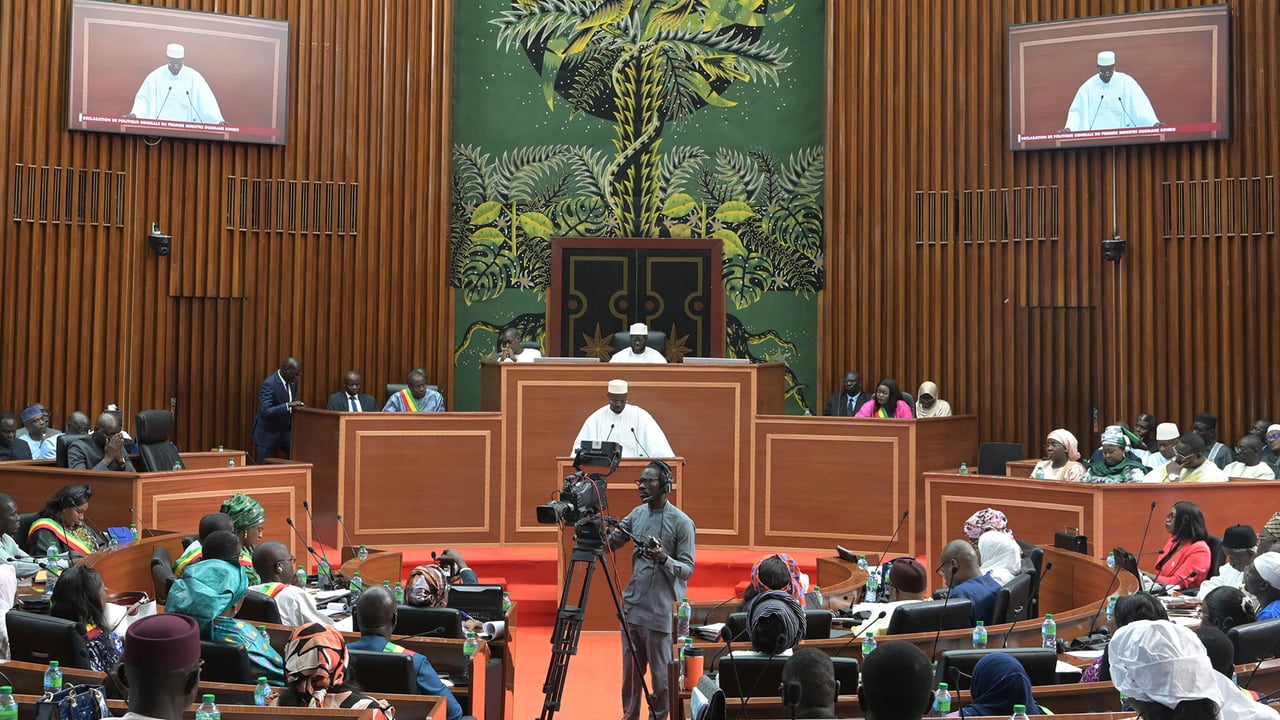
In a groundbreaking interview on RTN’s Le Grand Entretien, Niger’s Minister of Public Health and Hygiene, Colonel-Major Dr. Garba Hakimi, outlined a bold vision to overhaul the nation’s healthcare system. Beyond routine reporting, his address unveiled a decisive shift toward healthcare sovereignty—a model rooted in local production, advanced technology integration, and equitable access to medical services.
From management to transformation: a new healthcare paradigm
Since assuming office in August 2023, Dr. Hakimi has steered the ministry toward a transformative agenda. The core mission: enhance healthcare access while reducing reliance on external systems. This isn’t just about incremental improvements—it’s a structural overhaul encompassing pharmaceutical independence, cutting-edge medical infrastructure, and community-centered care.
Key reforms include:
- Strengthening drug availability through local production and supply chain optimization
- Elevating healthcare quality standards across public and private sectors
- Expanding healthcare coverage to underserved regions
- Integrating preventive medicine and traditional healing practices into national policy
Building a world-class medical infrastructure
The most visible progress lies in Niger’s upgraded technical capacity. Recent investments have brought state-of-the-art diagnostic and therapeutic equipment, including:
- 64-slice CT scanners for precision imaging
- MRI machines for advanced neurological and musculoskeletal diagnostics
- Linear accelerators for cutting-edge radiotherapy
These advancements have eliminated the need for Nigerien patients to seek cancer treatment abroad. Now, the country offers full-cycle oncology care—surgery, chemotherapy, and radiotherapy—within its borders. Cardiac surgery, once prohibitively expensive overseas, is now performed locally at one-fifth the cost, marking a historic shift in medical autonomy.
Pharmaceutical independence: producing essentials at home
A cornerstone of the sovereignty strategy is reducing dependence on imported medicines. The National Supply Office (ONPPC) has achieved near-total self-sufficiency in essential drugs, including life-saving intravenous fluids. Local pharmaceutical production is scaling up, with new oxygen generation plants installed nationwide to ensure uninterrupted access to this critical resource.
Bridging the urban-rural divide
Niger’s vast landscape and uneven development present unique challenges. The ministry is addressing this through:
- Construction of 36 new integrated health centers in 2025, equipped for emergencies
- Decentralization of obstetric services in Niamey to reduce hospital congestion
- Targeted recruitment and training programs to bolster healthcare workforce
While progress is evident, persistent gaps in ethics, patient reception, and professional discipline remain hurdles to overcome.
Prevention-first: tackling root causes of disease
Dr. Hakimi emphasized a paradigm shift from reactive to proactive healthcare. Malaria control, for example, now targets mosquito populations directly rather than just treating infections. Expanded initiatives in public hygiene, potable water access, and medical waste management aim to prevent illness before it occurs.
Regional collaboration: the AES advantage
Niger’s healthcare transformation aligns with its regional partners in the Alliance of Sahel States (AES). Shared expertise, pooled resources, and coordinated policies could pave the way for a unified West African health strategy—strengthening collective resilience against pandemics and supply chain disruptions.
A system in transition
Niger’s healthcare journey reflects a nation prioritizing self-reliance. While structural constraints persist, the trajectory is clear: healthcare sovereignty is becoming a reality. From advanced oncology units to local drug production, the system is evolving into one that treats, prevents, and innovates—on its own terms.