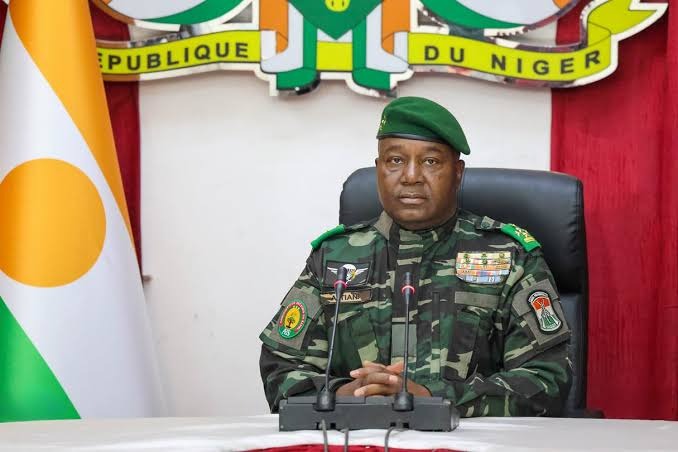
Despite regional economic strains and budget adjustments imposed by shifting security threats, Niger continues to channel unprecedented funds into its defense apparatus. Yet as military spending consumes a growing share of public resources, a critical question emerges: are these escalating expenditures translating into tangible protection for citizens and a restored state presence across the nation?
Record allocations reveal deepening fiscal commitment
In 2024, Niger allocated a historic 960 billion West African CFA francs to defense and security—marking the highest proportion of national wealth ever dedicated to this sector. Military-related expenditures alone are projected to hover between $435 million and $464 million annually from 2024 to 2026, equating to over 260–280 billion CFA francs per year (excluding internal security forces). This represents approximately 2.2% of the country’s GDP—levels seldom seen in Niger’s economic history.
The surge is further amplified by exceptional funding mechanisms such as the National Survival Solidarity Fund (FSSP), which has disbursed more than 58.8 billion CFA francs in direct support to military units, including armed drones, aerial platforms, and armored vehicles. In August 2026, an additional 58.3 billion CFA francs was injected into defense operations, reinforcing the pattern of rapid budgetary expansion.
Security spending at what cost?
The rationale behind these budget increases is framed in terms of urgent operational needs—procuring advanced hardware, sustaining counterinsurgency campaigns, and maintaining tactical pressure. Yet this strategy risks overlooking deeper structural challenges. Heavy investment in military equipment is not inherently aligned with the realities of asymmetric warfare affecting rural communities, and the absence of verifiable performance metrics raises concerns about the effectiveness of these expenditures.
Key issues remain unaddressed:
- Do high-cost acquisitions support the decentralized security challenges faced by rural populations?
- Is budget allocation guided by a coherent nationwide security strategy or driven by ad-hoc crisis responses?
- Have these investments facilitated the re-establishment of state services and civilian administration in areas under armed group influence?
Trade-offs between security and social welfare
As defense spending expands, pressure mounts on other critical state functions. The 2025 national budget was revised downward from 3,033.33 billion to 2,749.55 billion CFA francs in response to economic constraints—yet defense continues to draw a disproportionate share of limited fiscal resources. While commitments to health and education are often highlighted, the reality is that war financing is diverting funds from long-term development needs.
Neglecting social infrastructure—schools, health centers, and public services—in vulnerable regions fuels public frustration and fuels recruitment into militant groups. Prioritizing military investment over sustainable development risks perpetuating the cycle of instability rather than resolving it.
Accountability must follow investment
Without robust financial oversight, defense budgets risk becoming a financial black hole. The principle of operational confidentiality cannot justify a lack of transparency in public procurement and emergency funds. Independent audits, parliamentary scrutiny, and publishing high-level budget execution data are essential to ensure accountability without compromising sensitive operations.
From spending to impact: what’s missing?
The debate is no longer about how much Niger spends on defense—but what concrete outcomes these investments deliver for its people. For such a large financial commitment to be sustainable, it must be tied to measurable results: safeguarding key transport routes, reopening closed schools, and restoring government services in contested areas.
Without clear benchmarks and public reporting, the nation’s growing investment in defense and security will increasingly burden its socio-economic future—and fail to deliver the lasting peace its citizens desperately seek.