Army acknowledges deadly incident but withholds critical details
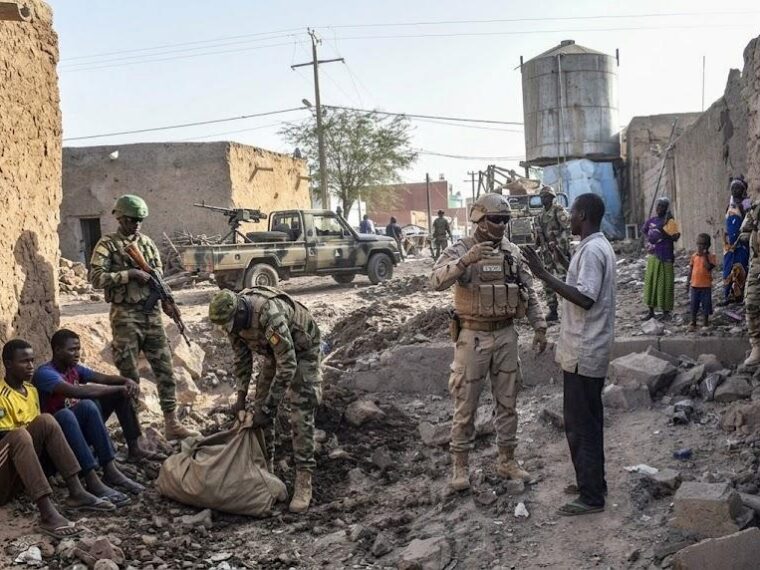
The Malian army has admitted, through a brief Wednesday statement, that a “tragic incident” occurred in a military operation area, resulting in civilian casualties. However, the communiqué provided no specifics about the location, date, casualty count, or the victims’ identities.
According to administrative details in the release, the affected individuals were reportedly traveling on motorcycles between two villages when the incident occurred. The military’s vague acknowledgment follows reports of deadly airstrikes in Zanakoro, in the Ségou region, where local sources claim at least eight civilians—mostly women and children—were killed.
Zanakoro strikes: a village caught in crossfire
Testimonies from local residents and community leaders indicate a series of airstrikes struck Zanakoro during a baptism ceremony on October 12, 2026. Survivors describe seeing homes destroyed, families fleeing into the bush, and emergency medical evacuations for the injured. Reports suggest the toll could exceed ten fatalities, including a pregnant woman and three young girls under ten.
The military’s acknowledgment, published two days later, has fueled speculation that the incident may be connected to the Zanakoro strikes. Yet without an official confirmation or independent verification, the link remains unverified.
A pattern of alleged abuses emerges
This isn’t an isolated case. For years, human rights organizations have documented serious violations allegedly committed by Malian forces and their Russian partners during counterterrorism operations. A September 2026 report by Amnesty International detailed seven incidents between June 2023 and December 2025, resulting in at least 34 civilian deaths. The report describes extrajudicial killings, torture, forced disappearances, looting, and destruction of property.
Communities such as the Fulani, Tuareg, and Arab populations have been disproportionately affected, with many victims reportedly targeted based on unproven suspicions of collaboration with armed groups. The organization warns that several documented incidents may constitute war crimes and calls for independent investigations.
The transitional authorities have been urged to establish credible oversight mechanisms to ensure military operations comply with international humanitarian law.
From Wagner to Africa Corps: the same accusations persist
The withdrawal of the Wagner Group and the deployment of Africa Corps—a Russian-led force under Kremlin control—have not resolved concerns about civilian protection. Since beginning its operations in Mali in 2025, Africa Corps has faced allegations of disproportionate and indiscriminate attacks.
In a July 2026 report, Human Rights Watch documented eight civilian deaths, including three children, in airstrikes in Kyrnia, Mopti, on June 15. The strikes reportedly hit near a village leader’s residence and a livestock market, raising questions about whether military objectives were clearly identified.
International law demands more than silence
While Mali faces severe security threats from jihadist groups like the Group for the Support of Islam and Muslims (JNIM), the fight against terrorism does not absolve parties of their obligation to protect civilians. Under international humanitarian law, operations must distinguish between combatants and civilians, avoid indiscriminate attacks, and ensure any harm to civilians is investigated and accounted for.
The military’s acknowledgment without transparency only deepens public distrust. Families of the victims, local communities, and human rights advocates are demanding answers: Where did the incident occur? Who were the victims? Was an investigation launched? Have the families been notified?
Accountability must follow acknowledgment
The Malian army’s terse communiqué marks only the beginning. Recognizing civilian harm is not enough. The truth must be uncovered through independent inquiries, and those responsible for any violations must face justice. Without credible investigations and reparations for victims, the cycle of distrust and violence will continue.
The shadow of unanswered questions looms large over Mali’s military operations. For justice to prevail, transparency must replace silence—and accountability must follow.