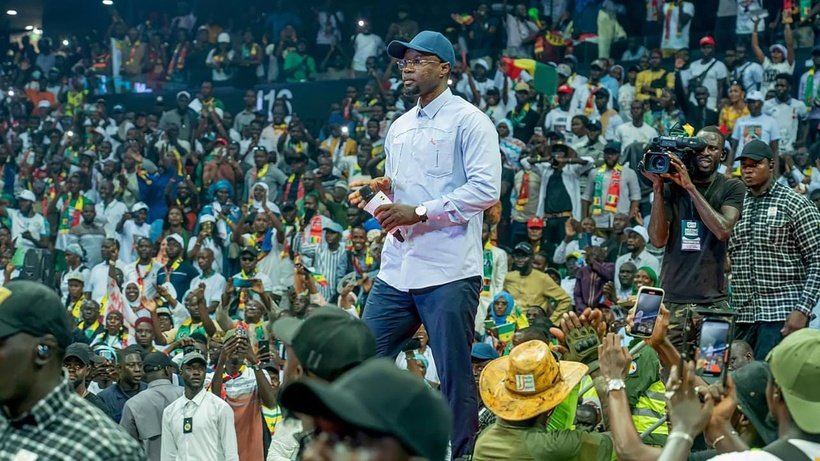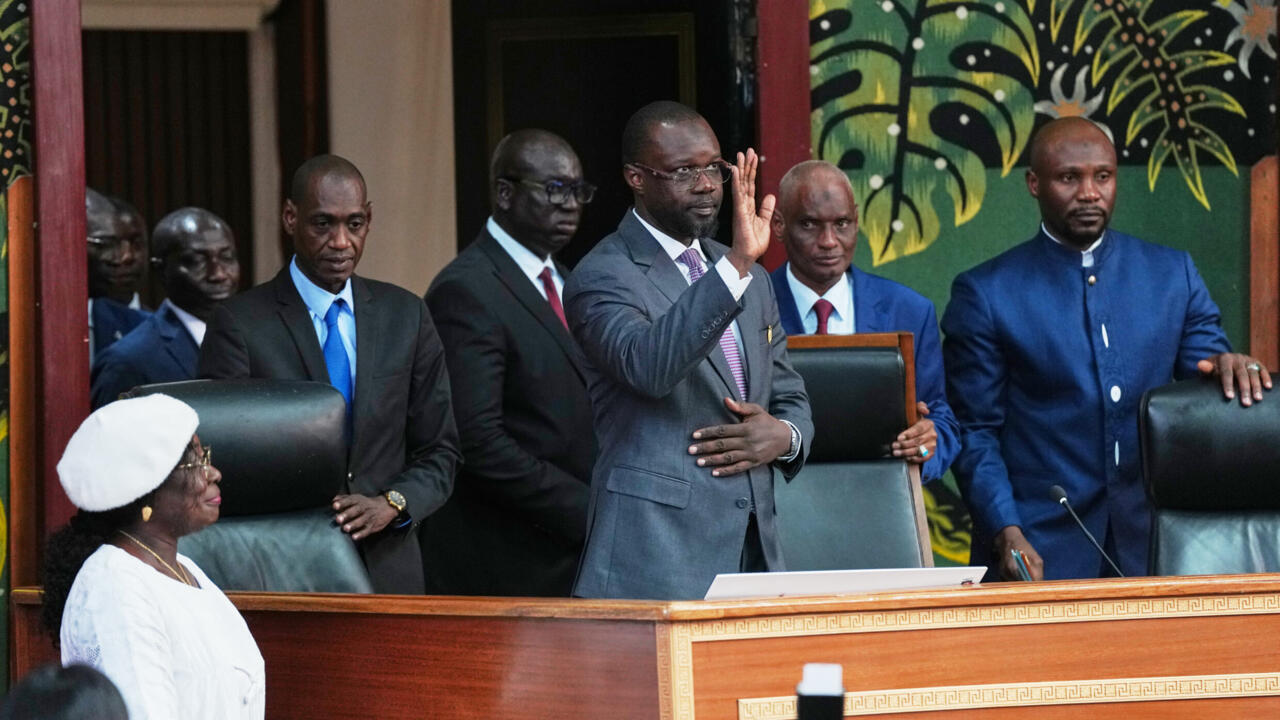
In a pivotal moment for Senegal, Ousmane Sonko has been elected President of the National Assembly, setting the stage for a complex political dynamic. His rise to the helm of the legislative body follows a closely contested vote and raises critical questions about the future of governance in the country.
a new political landscape in Senegal
With Ousmane Sonko now presiding over the Assembly, president Diomaye Faye faces a challenging cohabitation. Sonko, a former Prime Minister and prominent opposition figure, has pledged to avoid institutional crises but emphasized that the Assembly will not simply rubber-stamp government decisions. His remarks have sparked speculation about the possibility of early legislative elections or even the dissolution of the Assembly.
sonko’s stance on governance and cooperation
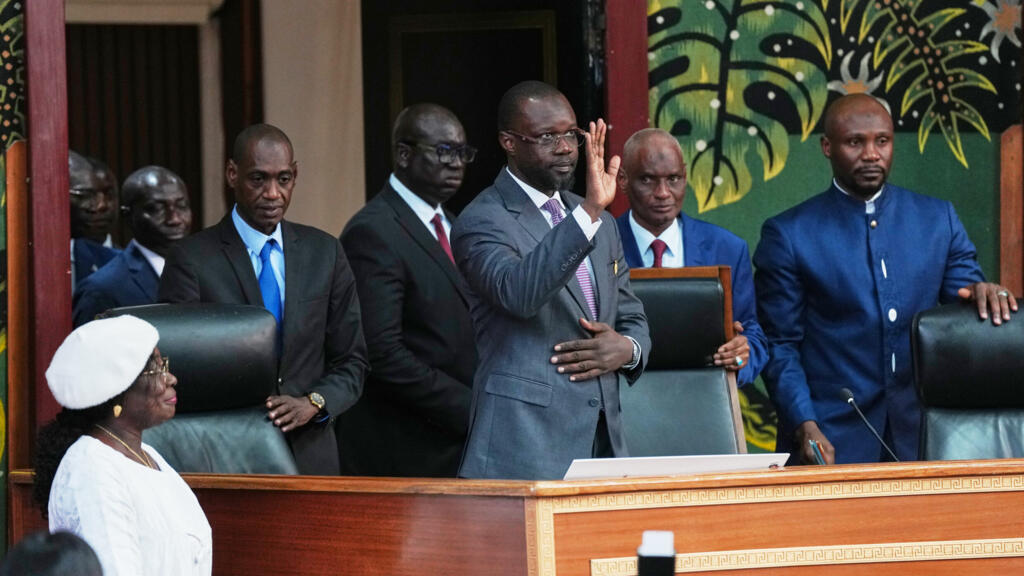
During his first public statements as Assembly President, Ousmane Sonko acknowledged the difficulties of cohabitation but expressed optimism about maintaining a peaceful and constructive relationship with the executive branch. He stressed that while his camp would not act as a mere “recording chamber” for government proposals, dialogue and collaboration remain possible.
key takeaways from sonko’s remarks
- commitment to stability: Sonko has vowed to avoid institutional crises, signaling a cautious approach to his new role.
- assertive legislative role: The Assembly will actively scrutinize government actions, ensuring checks and balances are maintained.
- potential for early elections: The political uncertainty has reignited discussions about the possibility of dissolving the Assembly and calling for snap legislative elections.
what lies ahead for Senegal’s political scene
The election of Ousmane Sonko as Assembly President marks a turning point in Senegal’s political landscape. With president Diomaye Faye leading the executive, the coming months will test the resilience of Senegal’s democratic institutions. Observers are closely monitoring whether the two leaders can navigate this cohabitation without escalating tensions or triggering a constitutional crisis.
As Senegal grapples with these developments, the world watches to see how the country’s political leaders will shape its future. The balance between cooperation and confrontation will define the trajectory of governance in the coming years.