Senegal politics today: Ousmane Sonko elected National Assembly president, new prime minister appointed
Breaking developments.
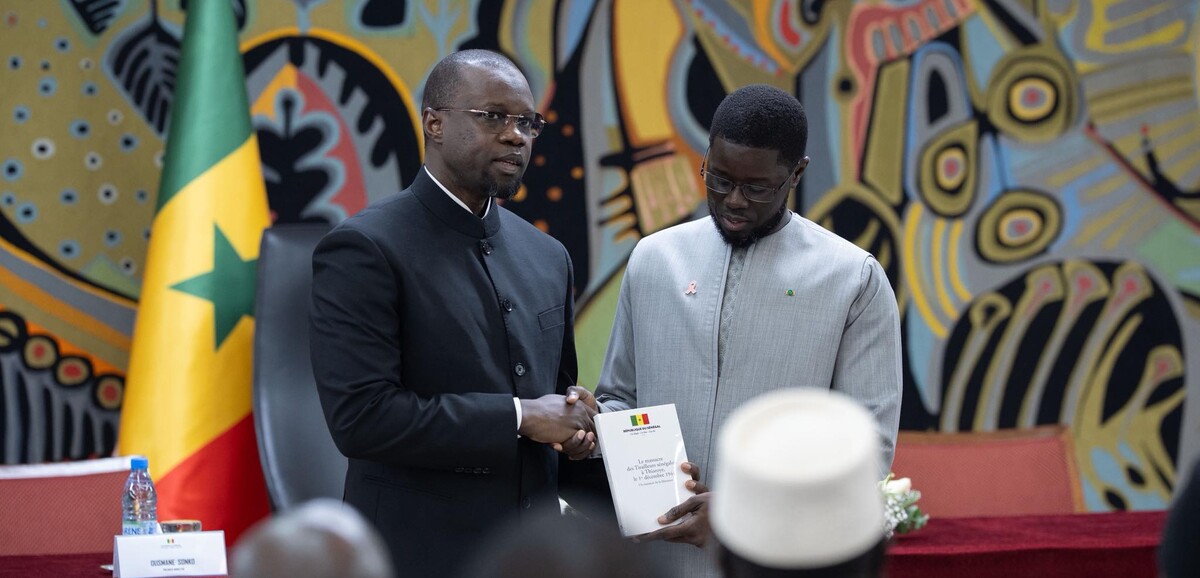
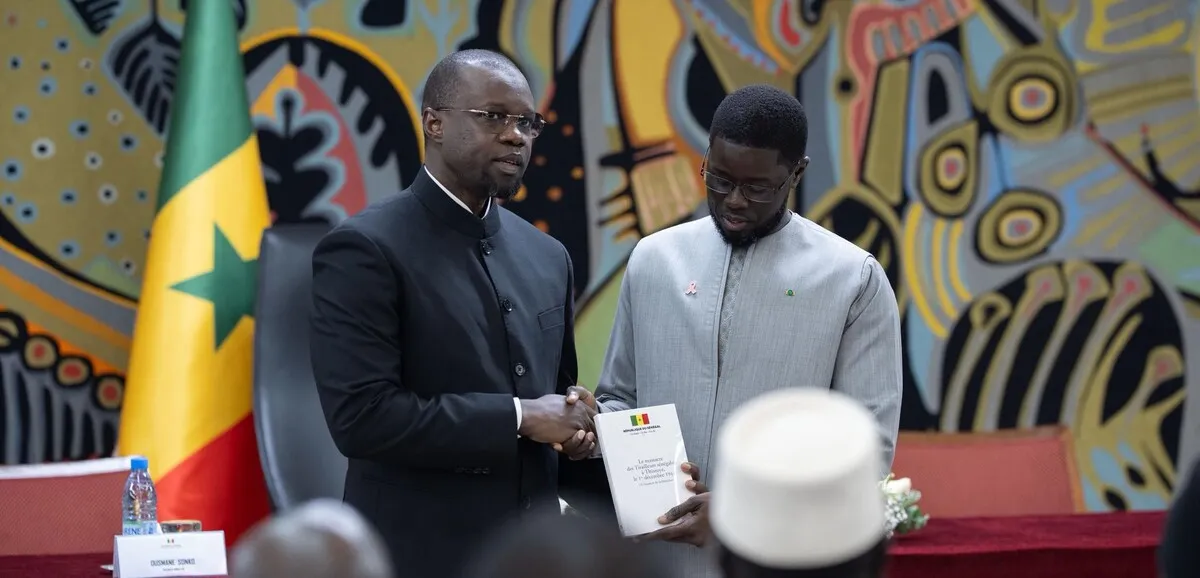
Just five days after his dismissal from the prime minister’s office, Ousmane Sonko has been sworn in as president of Senegal’s National Assembly. Meanwhile, President Bassirou Diomaye Faye has appointed a successor to head the government. The political transition continues to unfold as key figures take on new roles.
Sonko’s swift return to parliament and election as Assembly president
Five days after his removal as prime minister, Ousmane Sonko reclaimed his seat as a deputy and was elected president of the National Assembly. While this move has sparked debate, especially among opposition voices, the legal and procedural aspects of his reinstatement have come under scrutiny.
Sonko, who led the winning list in the 2024 elections, initially chose to serve as prime minister before his recent dismissal. His return to parliament reflects both a political strategy and a response to public expectations following his removal from government.
New prime minister named: Amadou Al-Aminou Lo takes charge
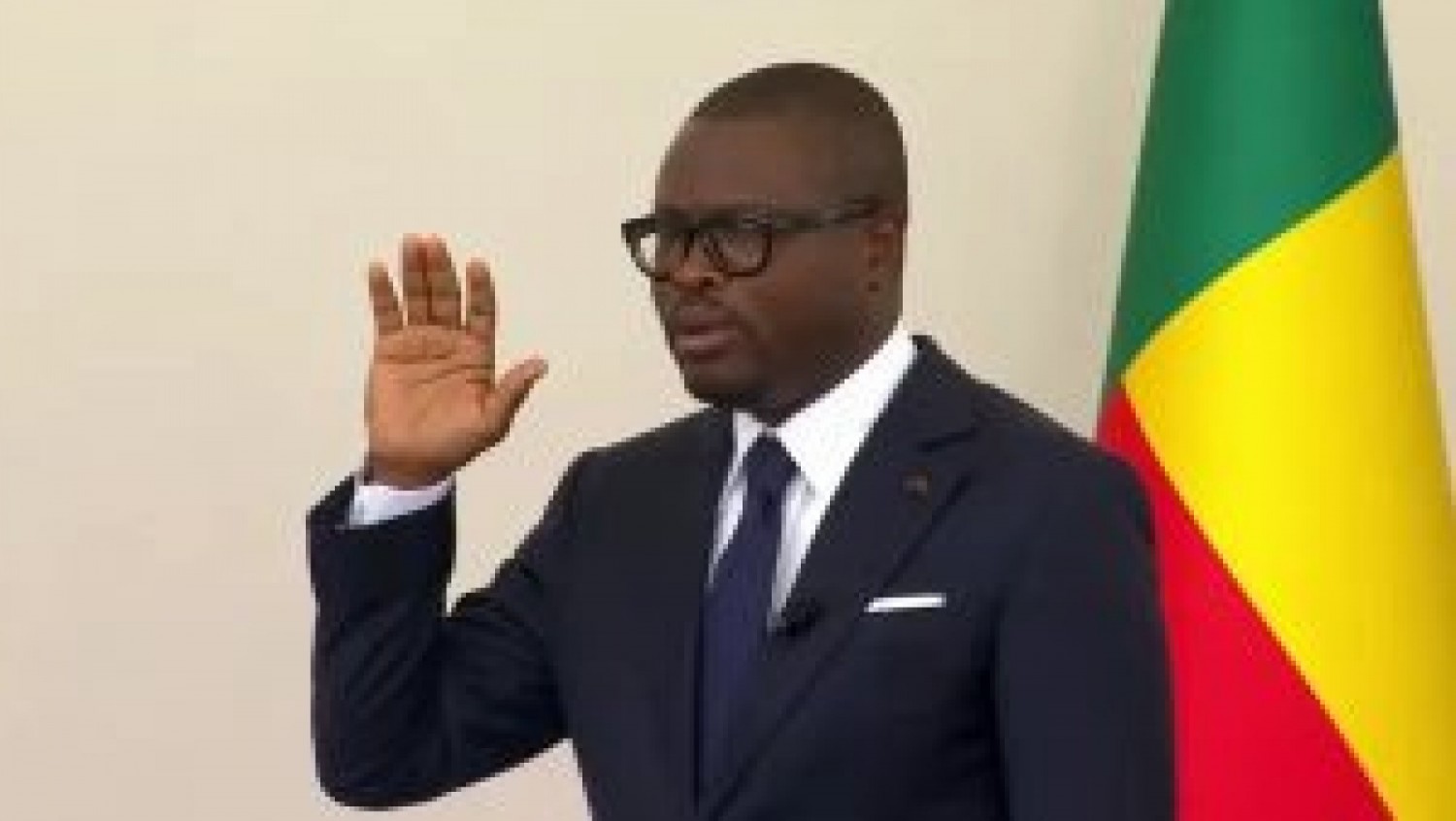
The newly appointed prime minister, Amadou Al-Aminou Lo, brings a blend of technical expertise and government experience. A former central banker with a background in finance and monetary policy, Lo has previously worked alongside both President Bassirou Diomaye Faye and Sonko. His nomination signals a focus on economic stability amid challenging global financial conditions.
Unlike a more politically driven appointment, Lo’s profile emphasizes economic governance—an area of pressing concern for Senegalese citizens. His prior role as secretary-general of the government under Sonko further underscores his deep involvement in shaping national policy.
Sonko signals openness to dialogue despite unmet expectations
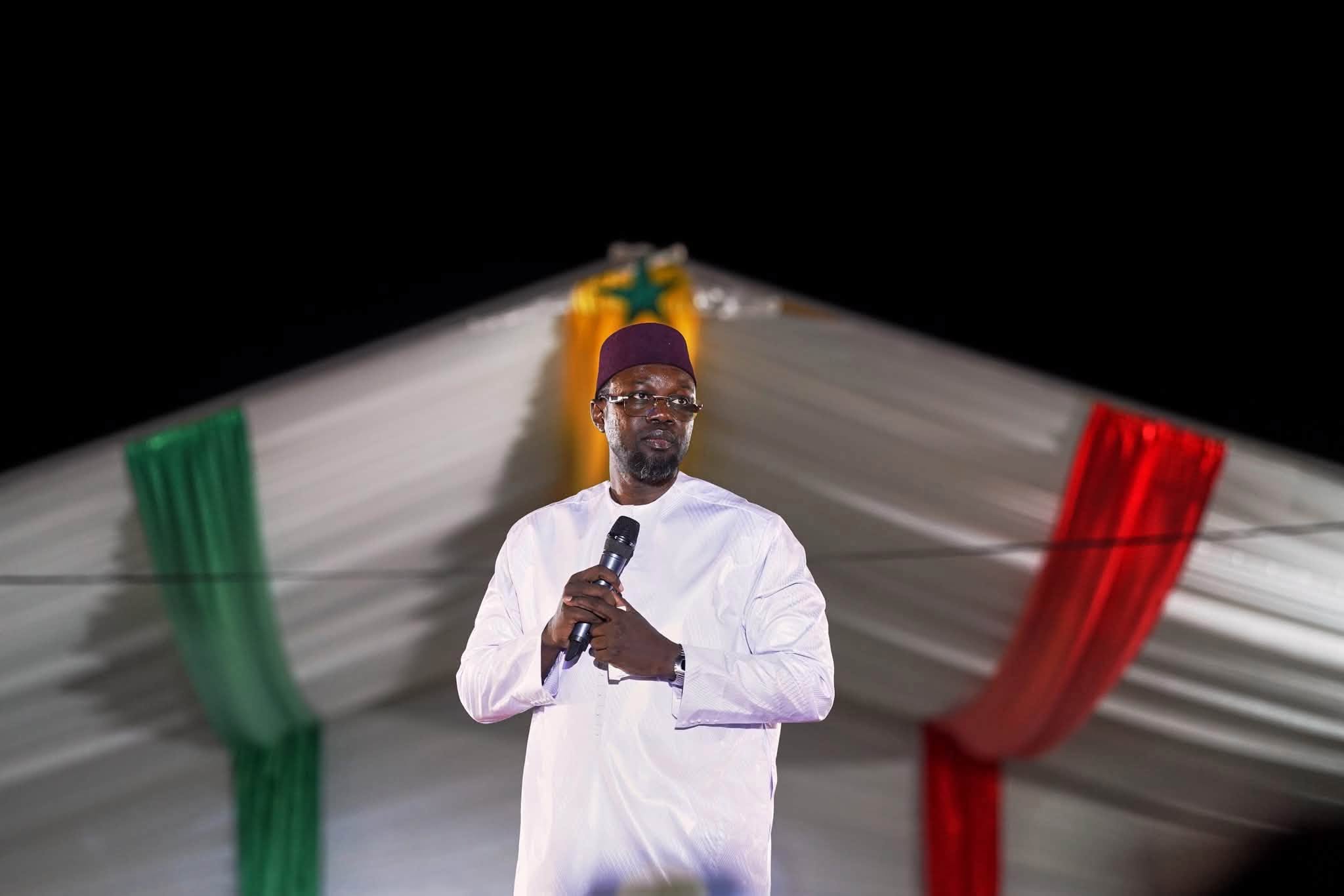
During his inaugural address as Assembly president, Sonko acknowledged the prerogative of the president to appoint the prime minister but expressed disappointment over the lack of consultation with the PASTEF party leadership. As the head of the ruling party and majority coalition in parliament, he had expected to be involved in the selection process.
The political climate remains fluid, with Sonko emphasizing the importance of national priorities such as economic accountability, justice, and public welfare. While he did not explicitly demand ministerial positions for PASTEF members, his remarks suggest a willingness to engage in constructive dialogue moving forward.
Government continuity or change? The role of PASTEF in the new cabinet
Sonko’s statement, “You cannot build the PASTEF without the PASTEF,” highlights the party’s centrality in national policymaking. While some PASTEF-affiliated ministers from the previous government may retain their posts, the absence of new appointments from the party could signal shifting political dynamics.
The coming weeks will reveal whether the government’s agenda aligns with the promises made during the 2024 electoral campaign—a critical factor in maintaining public trust.