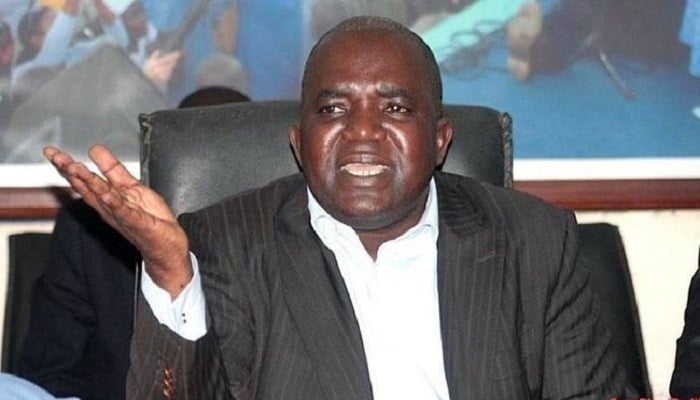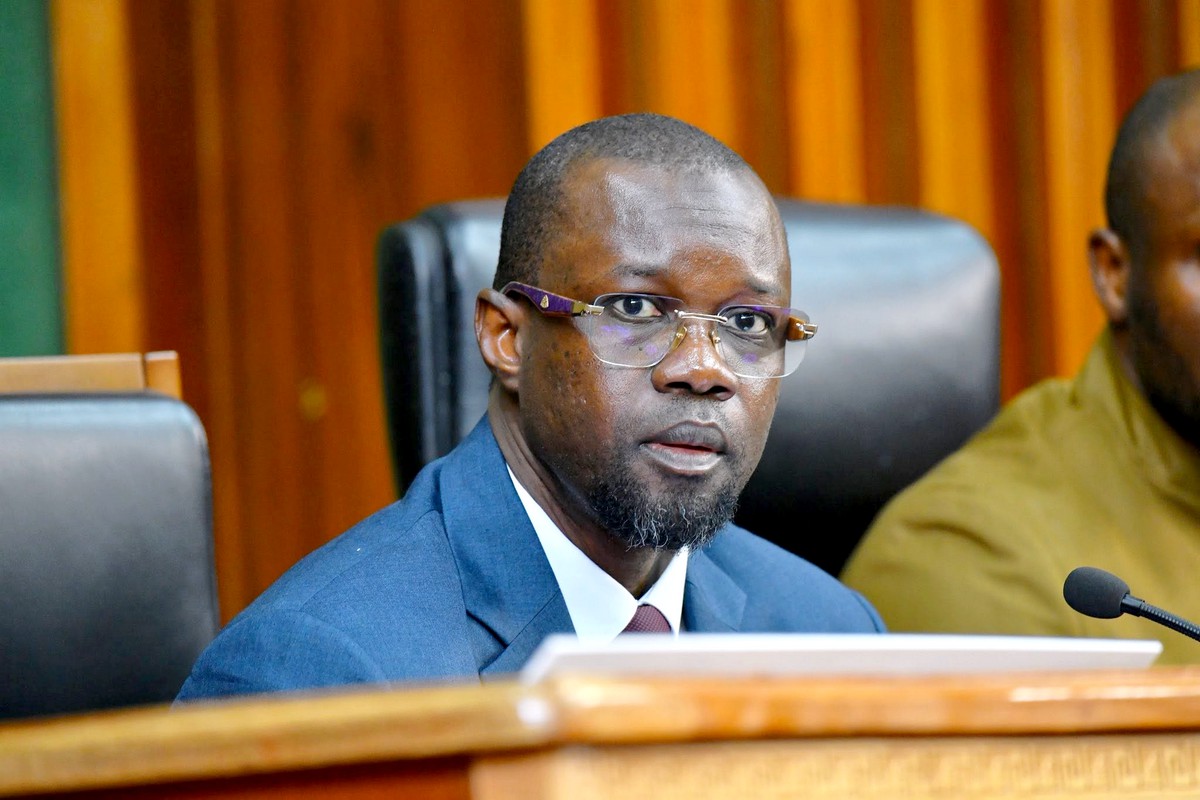
Ousmane Sonko, the esteemed former Prime Minister and current Speaker of Senegal’s National Assembly, has publicly shared his views on the latest cooperation agreement between the International Monetary Fund (IMF) and the Senegalese government. Through his official Facebook page, the head of the parliamentary body announced that a comprehensive debate would soon commence to thoroughly examine the full scope and implications of this new partnership.
This statement from Ousmane Sonko comes in the wake of a new agreement between the IMF and Senegal, outlining a loan program valued at over $2 billion, which translates to approximately 1.245 trillion CFA francs, designed to bolster Dakar’s economic framework. Sonko, who notably exposed a ‘hidden debt’ in 2024 that resulted in the suspension of Senegal’s IMF program, is once again taking a firm stance on financial transparency.
Ousmane Sonko remarked: «We have closely followed the sequential announcements from both the IMF and the government of Senegal concerning a technical accord, which will only become definitive upon later approval by the Fund’s executive board.»
- What are Senegal’s precise commitments regarding its «debt treatment»?
- What are the primary reforms envisioned (including the viability of public finances, safeguarding vulnerable households, mobilizing domestic resources, rationalizing expenditures, social safety nets, supervision of public enterprises, and enhancing the business environment)?
- What is the current status of the internationally mandated debt audits?
- Publish this memorandum to ensure accurate public information and to foster a robust debate on Senegal’s commitments;
- Alternatively, submit it to the National Assembly, as the legitimate representation of the people.