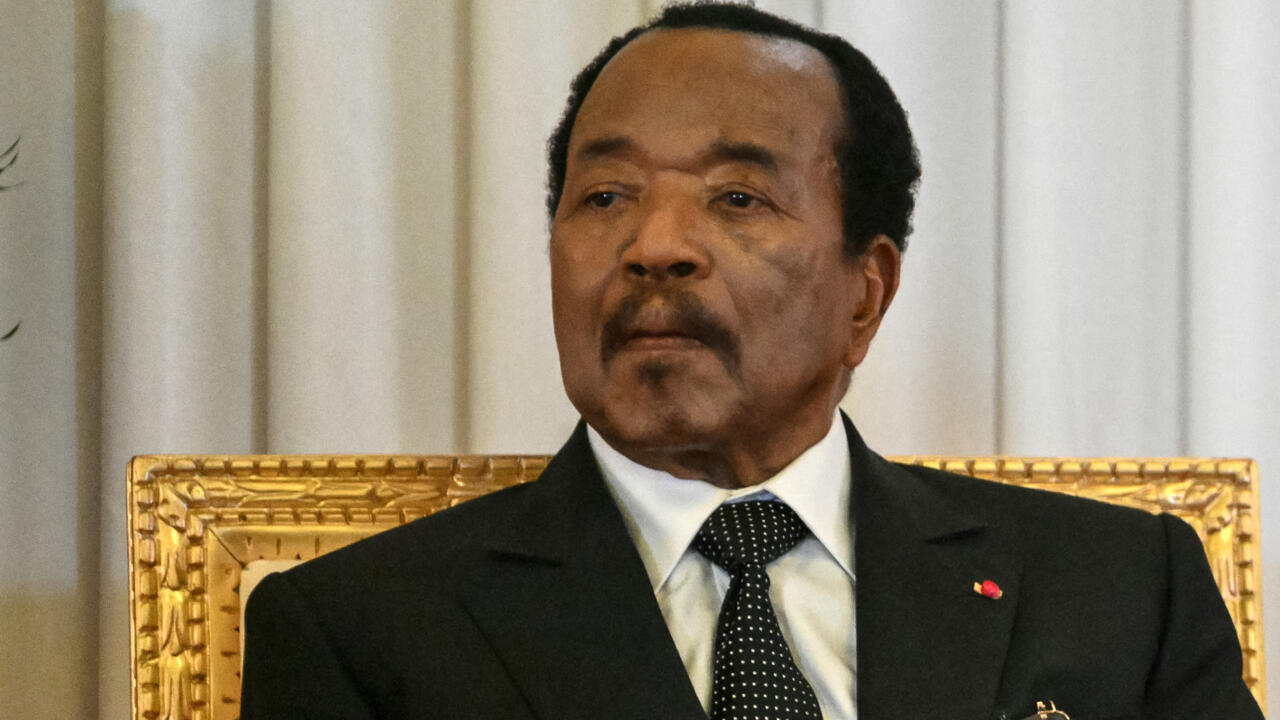
With 93 years of age and over four decades in power, Cameroon’s President Paul Biya has now surpassed his own record for the longest absence from public view. Departing on June 7 for what was described as a private visit to Europe, the head of state has not been seen in public for 58 days—the longest such gap since he first took office in 1982.
During a rare official statement, Communications Minister René Sadi sought to reassure the nation: “The President is alive and well. There is no power vacuum.” Yet, the absence has fueled speculation about the future of the country and the delicate matter of succession.
Government reassurance amid growing concerns
The minister’s remarks, delivered amid rising public anxiety, did little to dispel doubts. When asked about the President’s health and whereabouts, Sadi remained vague, offering no timeline for Biya’s return. “He will be back very soon,” was the only commitment made, leaving many to question the true nature of his prolonged stay abroad.
A presidency shrouded in silence
Paul Biya, Africa’s oldest serving leader, has maintained an unusually low profile in recent weeks. His last confirmed public appearance occurred on April 15, 2026, during a papal visit at the presidential palace in Yaoundé. Since then, official channels have provided no images, statements, or video updates—heightening concerns among citizens and political observers alike.
The silence from the presidency has given rise to a flurry of theories. Some speculate about health issues, while others suggest strategic moves ahead of planned political transitions. Whatever the reason, the lack of transparency has only deepened the mystery surrounding his absence.
What comes next for Cameroon?
With no clear successor named and the constitution’s succession rules untested in decades, the prolonged absence has intensified debates about governance and stability. Political analysts warn that prolonged uncertainty could embolden dissent or disrupt national cohesion.
The situation places Cameroon at a crossroads, where public trust in leadership is being tested like never before. The coming days will be critical in determining whether the reassurances from officials are enough to calm the nation—or if further clarity will be demanded.