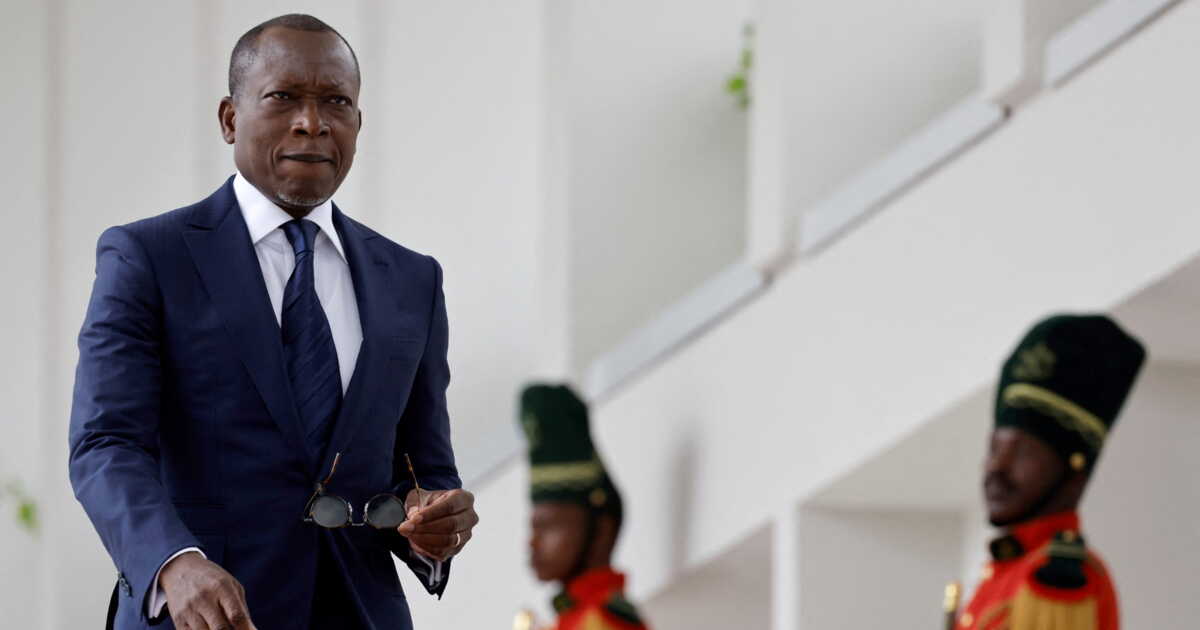
The West African nation of Bénin has recently faced a significant political crisis following a coup attempt against President Patrice Talon. This development has raised serious concerns about regional stability and democratic governance in the area.
escalating political turmoil in west africa
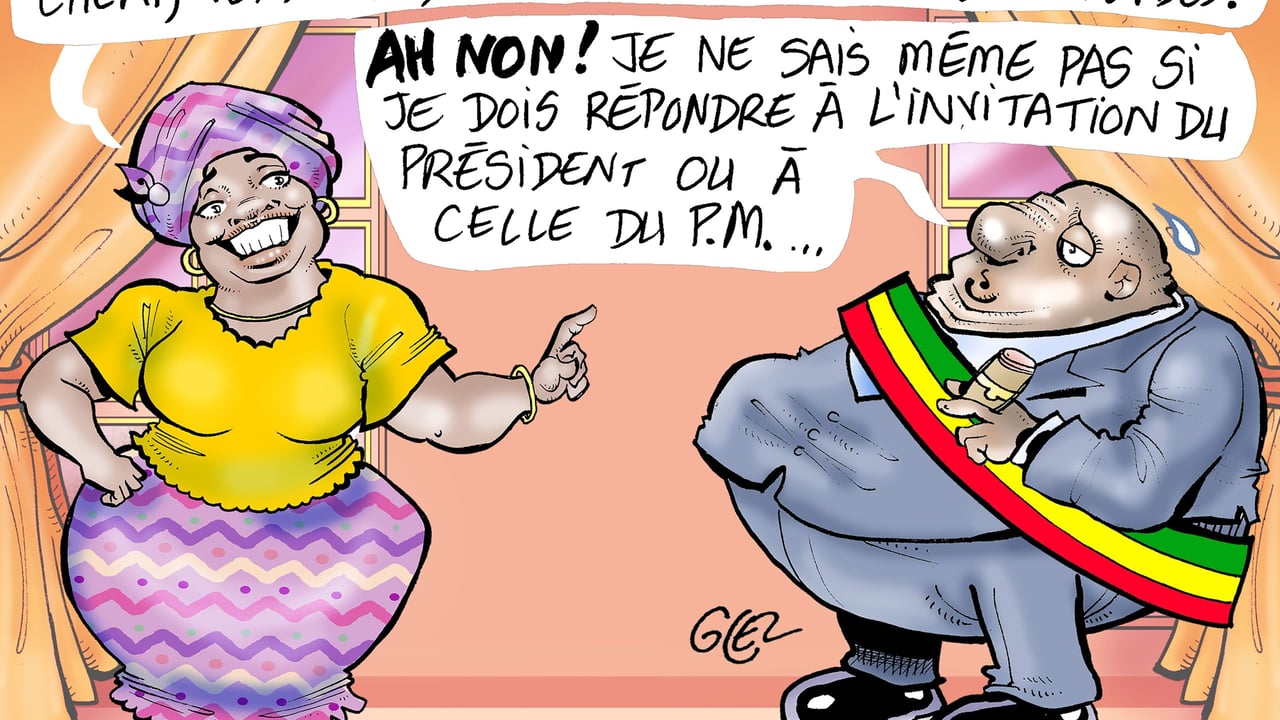
The Bénin incident is part of a troubling pattern of political instability sweeping across West Africa. Since the start of the decade, multiple coup d’états have occurred in Mali, Burkina Faso, Niger, and Guinea, with some military juntas openly rejecting their former colonial power, France.
In response to these regional challenges, French President Emmanuel Macron has emphasized coordination efforts and intelligence sharing with neighboring nations to address security threats and maintain stability in the region.
breaking down the coup attempt in Bénin
On Sunday morning, eight soldiers appeared on national television in Cotonou, declaring they had removed President Patrice Talon from power. Initially, authorities claimed the situation was fully under control, but later reports confirmed multiple casualties following clashes between mutineers and loyal forces.
To regain control, Bénin received critical support from its neighbor Nigeria. Nigerian forces conducted airstrikes on the Togbin military base in Cotonou, where the mutineers had barricaded themselves after their televised announcement. Nigerian troops also deployed on the ground, successfully retaking the base in the early hours of Monday.
how the ECOWAS is reacting
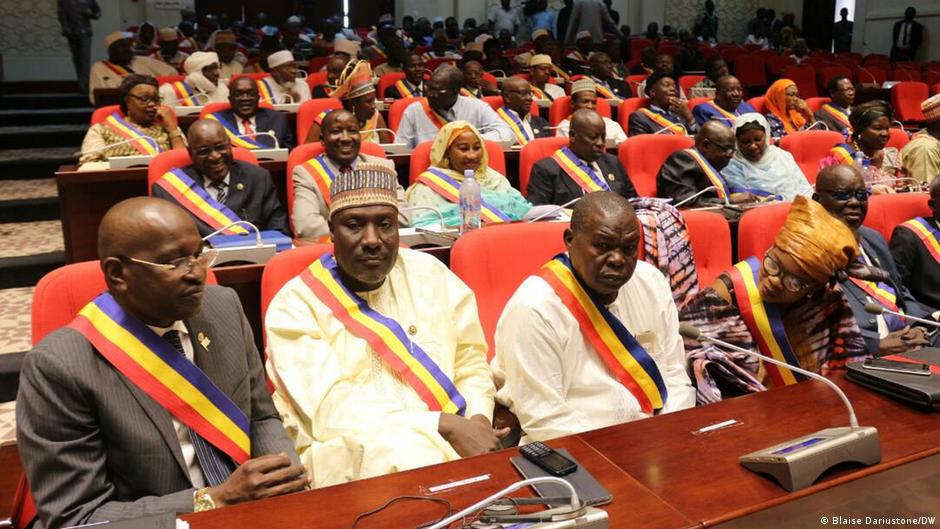
The Economic Community of West African States (ECOWAS) declared a state of emergency on Sunday evening, announcing the deployment of military reinforcements from four member countries. The goal was to preserve constitutional order and prevent further destabilization in the region.
Omar Alieu Touray, President of the ECOWAS Commission, stated on Tuesday that the community is in crisis mode, citing both the spread of jihadist groups and the rise in coup attempts across member states. While a dozen soldiers have been arrested, key figures like Lieutenant-Colonel Pascal Tigri remain at large.
The crisis also involved the kidnapping of two high-ranking military officials—Army Chief of Staff Abou Issa and National Guard Chief Faïzou Gomina—who were later freed on Monday. Despite the turmoil, normal life in Cotonou resumed quickly, though the political fallout continues.
Benin’s political future and upcoming elections
President Patrice Talon, who has led Bénin since 2016, is set to step down in April following the presidential election, as the constitution limits him to two terms. While he has been credited with economic progress, his administration has faced criticism for adopting authoritarian measures in a country once praised for its vibrant democracy.
The leading candidate to succeed Talon is Finance Minister Romuald Wadagni, though the main opposition party, Les Démocrates, has been excluded from the election due to insufficient endorsements. Former President Thomas Boni Yayi, who led the country from 2006 to 2016, has strongly condemned the coup attempt, calling for free and transparent elections.
ECOWAS officials have also highlighted the growing issue of electoral inclusivity in the region, noting that electoral disputes are increasingly becoming a trigger for instability. Touray emphasized the need to address these challenges to prevent further crises.
key takeaways
- Bénin recently experienced a coup attempt against President Patrice Talon, which was countered with support from Nigeria and the ECOWAS.
- The incident reflects a broader trend of political instability in West Africa, with multiple coup d’états occurring in recent years.
- The upcoming presidential election in Bénin is overshadowed by concerns over electoral inclusivity and democratic backsliding.
- Regional bodies like ECOWAS are under pressure to address both security threats and democratic governance challenges.