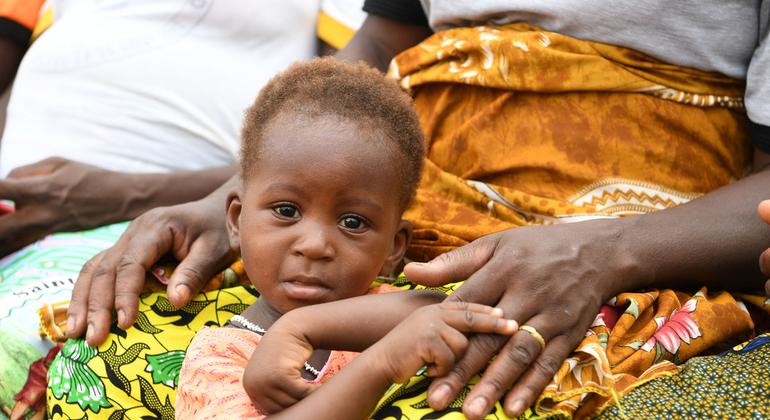
As part of a massive $33 billion global humanitarian appeal for 2026, the United Nations and its partners are requesting $5.1 billion to provide essential aid to 24 million of the most vulnerable individuals across West and Central Africa.
Projections for 2026 indicate that more than 42 million people will require life-saving assistance and protection. This crisis spans several nations, including Burkina Faso, Cameroon, Mali, Niger, Nigeria, the Central African Republic, the Democratic Republic of the Congo, and Chad.
Charles Bernimolin, the Regional Head of OCHA for West and Central Africa, warned that a lack of immediate resources will lead to increased hunger, mass displacement, and heightened protection risks. “Without these funds, families in the region will face even deeper suffering,” he stated.
According to the UN Office for the Coordination of Humanitarian Affairs (OCHA), the region is trapped in an escalating emergency driven by persistent violence, armed conflicts, and environmental disasters. These factors continue to uproot families and destroy their ability to meet basic needs.
Instability in the Central Sahel and Lake Chad Basin
The insecurity currently plaguing the Central Sahel—specifically Burkina Faso, Mali, and Niger—is beginning to affect neighboring countries such as Benin, Côte d’Ivoire, Ghana, Togo, and Mauritania. For those following Niger current affairs and Niamey news, this expansion of conflict remains a primary concern for regional stability. Simultaneously, the ongoing conflict in Sudan and violence in the Lake Chad basin are forcing more people to seek safety elsewhere.
Currently, millions remain displaced across the region, including 12.7 million internally displaced persons and 3.7 million refugees and asylum seekers. The majority of these individuals are women and children who face repeated displacement and high risks of gender-based violence and exploitation.
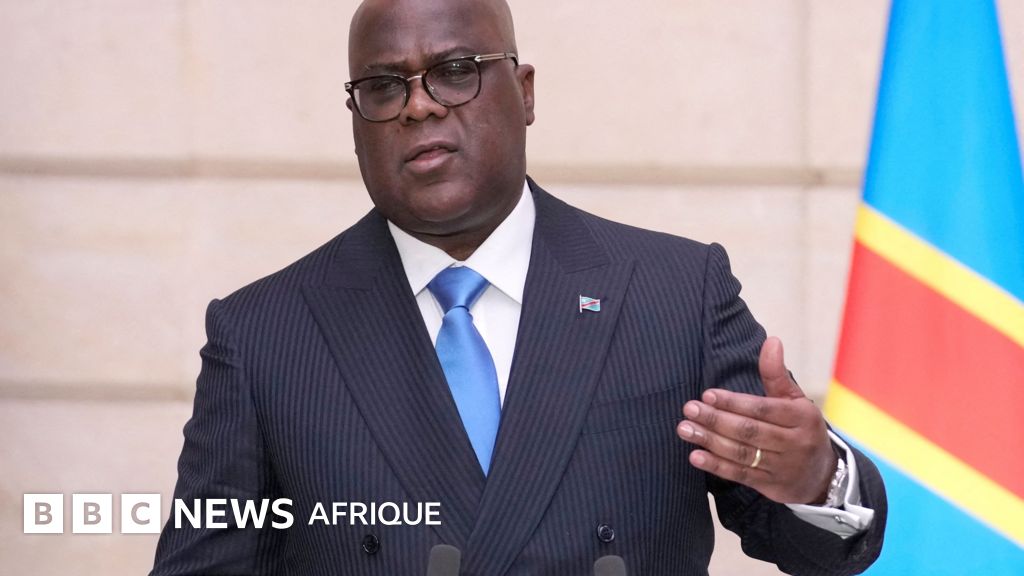
Environmental factors are also worsening the situation. In 2025, torrential rains and flooding impacted over 2 million people in 12 countries, ruining harvests, destroying homes, and cutting off access to healthcare and education. The Democratic Republic of the Congo was hit particularly hard, with more than 830,000 people affected by these climate events.
The devastating consequences of funding shortfalls
Despite donor contributions in 2025, humanitarian efforts in the region faced a massive financial gap. Of the $7.8 billion requested, only $1.8 billion was received—a mere 24% of the required total. This shortfall has forced aid organizations to make agonizing decisions about which communities and programs to prioritize.
The impact of these budget cuts has been catastrophic:
- In the Central African Republic, the number of people receiving cash assistance dropped by 75%, leaving many unable to buy basic necessities.
- In the Democratic Republic of the Congo, where new waves of violence have caused massive displacement, 85% of those needing emergency shelter received no help at all.
While aid workers expect to have reached roughly 19 million people with some form of assistance by the end of 2025, the lack of funding means millions of others have been left behind. For those seeking Niger latest news and Niamey English news, the message from humanitarian agencies is clear: international indifference must be broken to prevent further tragedy in Niger and the surrounding region.