Romuald Wadagni takes office as Benin’s president amid ambitious goals
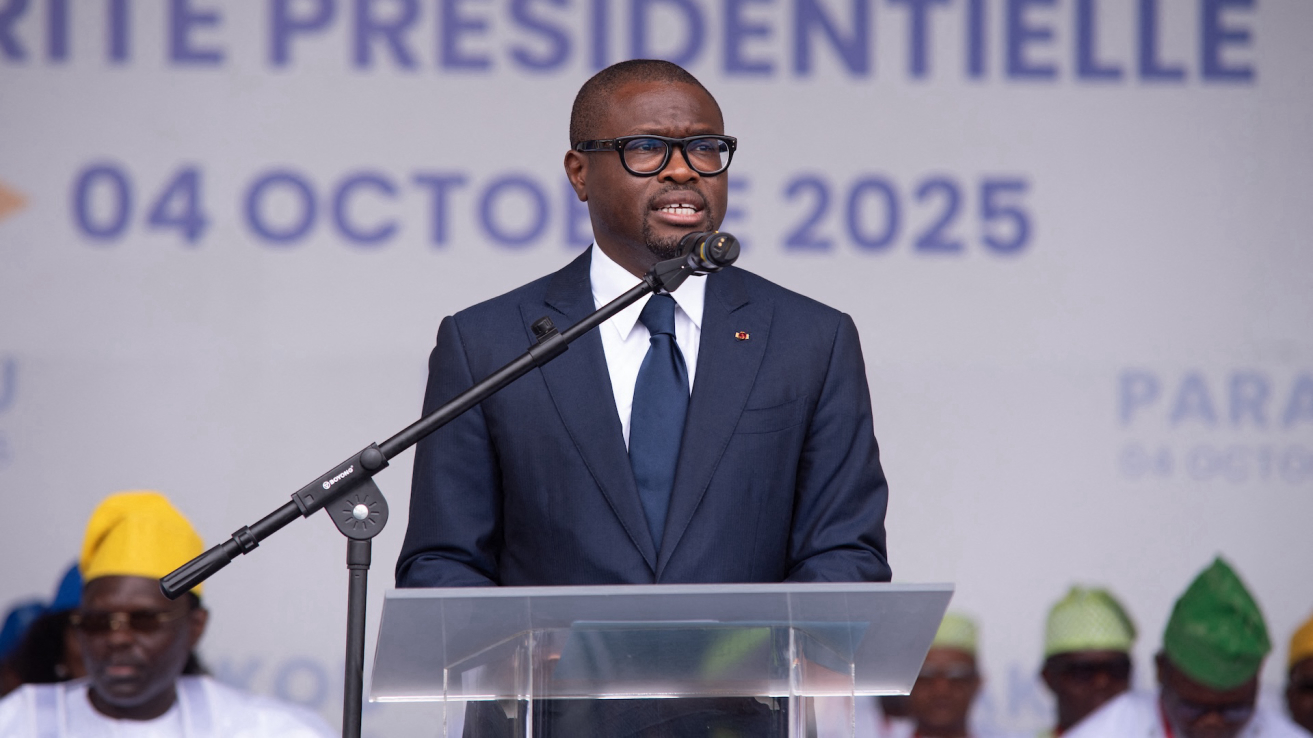
Romuald Wadagni secured a decisive victory in Benin’s April 12 presidential election, winning 94.27% of the vote against his opponent, Paul Hounkpè, who conceded defeat and urged national unity. The Constitutional Court later confirmed a turnout of 63.57%, up from 50.17% in the 2021 election, marking the fifth democratic transition since the 1990 National Conference.
The election unfolded peacefully, though isolated irregularities—including allegations of ballot stuffing—were reported. Investigations are underway to determine accountability, but electoral authorities and observers deemed the incidents insufficient to undermine the election’s credibility. The Constitutional Court invalidated 34,596 votes nationwide due to irregularities, underscoring the need for stricter oversight.
Paul Hounkpè’s candidacy posed no real threat to Wadagni’s campaign. His party, Forces Cauris pour un Bénin émergent, has struggled in recent elections, including the January 2026 legislative and local polls, where it garnered just 4.78% and 6.65% of the vote, respectively. Even in the 2021 presidential race, it managed only 11.37% support.
Economic legacy and the challenge of inclusive growth
Wadagni’s appointment as Finance Minister over the past decade positioned him as a key architect of Benin’s economic progress under outgoing President Patrice Talon. During his tenure, annual Gross Domestic Product (GDP) growth surged from 1.8% in 2015 to around 8% by 2025. Yet, despite this expansion, 40.1% of Beninese still live below the poverty line—a stark reminder of the need for more equitable development.
The new administration’s top priority must be translating economic growth into tangible poverty reduction. Wadagni’s 2026–2033 agenda centers on three pillars: universal social well-being, a diversified and competitive economy, and national cohesion alongside security. Achieving these goals will require bold reforms and inclusive policies.
Political landscape and the future of opposition
The election unfolded against a backdrop of sweeping constitutional and institutional changes since 2016, which have reshaped political participation. A revised electoral code, enacted in March 2024, introduced a stringent 15% sponsorship requirement for presidential candidates—mandating signatures from lawmakers or mayors. This rule contributed to the exclusion of the main opposition party, Les Démocrates, from the 2026 presidential race.
With the opposition weakened and fragmented, particularly after former President Boni Yayi’s March 2026 departure from Les Démocrates triggered internal crises and defections, the likelihood of opposition exclusion from elections until 2040 looms large—unless sponsorship rules are revised. The 2025 Constitution introduced a “Republican Responsibility Pact,” allowing collaboration between the government and opposition under Senate oversight. However, concerns persist that such measures could stifle dissent rather than foster dialogue.
Security concerns and regional cooperation
Wadagni’s presidency arrives at a precarious moment for Benin’s security. Terrorist threats persist in the north, while relations with neighboring Burkina Faso and Niger remain strained. Although ties with Nigeria have improved following its support during the December 2025 coup attempt, cooperation across the region remains fragile. A lack of regional collaboration benefits extremist groups, particularly in border areas and the W-Arly-Pendjari complex, which serve as safe havens for militants.
During his campaign, Wadagni emphasized reconciliation with neighbors, framing his election as an opportunity to revitalize diplomacy. While his conciliatory tone signals a willingness to rebuild trust, progress will depend on the political will of leaders in Niamey and Ouagadougou. Restoring regional partnerships is essential to addressing shared security threats and preventing further destabilization.
Institutional reforms and the path forward
The December 2025 coup attempt exposed vulnerabilities in Benin’s democratic institutions, underscoring the importance of safeguarding electoral integrity. Meanwhile, the November 2025 creation of a powerful Senate—tasked with reviewing laws and requesting second readings of legislation—raises questions about institutional balance. If Patrice Talon is appointed to lead the Senate, it could institutionalize a dual-executive structure, potentially complicating governance.
To consolidate democracy, Wadagni must prioritize citizen participation and public accountability mechanisms, including itinerant dialogues. Initiating a national dialogue with civil society could help address contested reforms, bridge divides, and foster broader consensus. Such efforts are vital to ensuring that political and institutional changes strengthen—not undermine—the country’s democratic foundations.
As Benin embarks on this new chapter, the challenges are clear: reducing poverty, revitalizing opposition engagement, restoring regional cooperation, and protecting democratic gains. Success will hinge on inclusive governance, strategic diplomacy, and unwavering commitment to the rule of law.