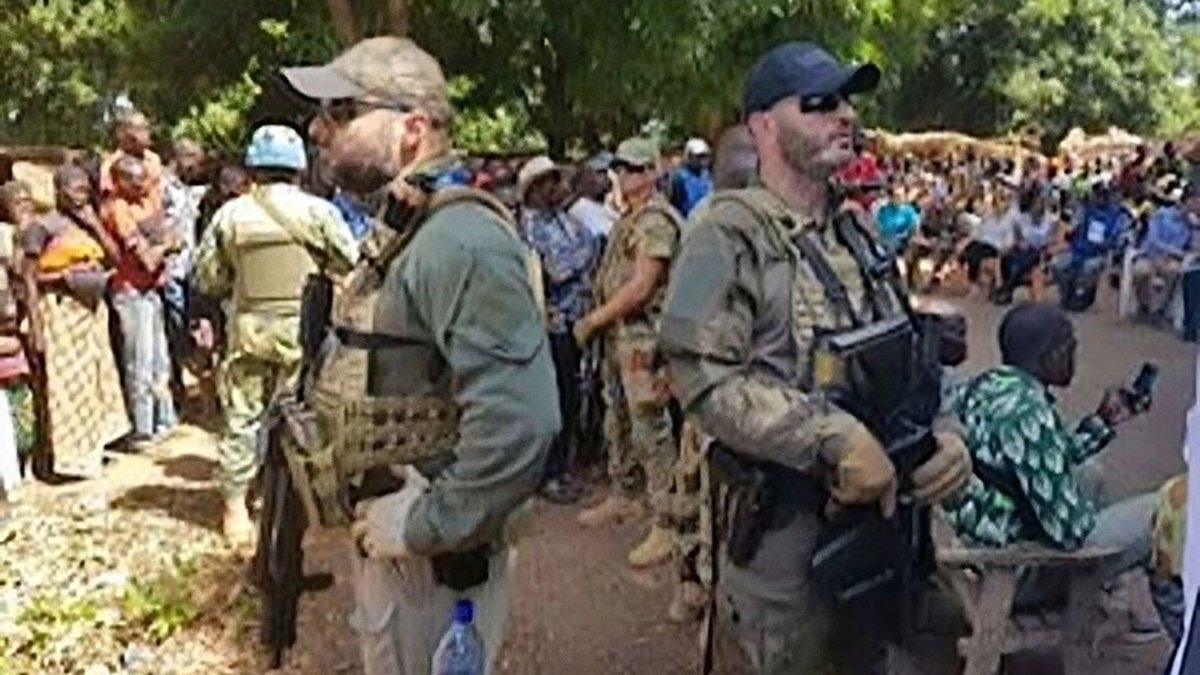
BAMAKO — A Russian-linked paramilitary organization operating within Mali has announced the successful suppression of an extensive coup attempt over the weekend. The group reported that coordinated strikes targeted several vital government and military sites, representing a major escalation in the ongoing instability plaguing the Sahel region.

Coordinated assaults across Mali
The Africa Corps, as the paramilitary unit is known, stated that an estimated 10,000 to 12,000 combatants launched a series of synchronized attacks on Saturday. These operations were aimed at high-value locations in the capital, Bamako, the strategic military base in Kati, and several northern urban centers including Gao, Kidal, and Sévaré.
According to social media communications from the group, the insurgents intended to seize control of the presidential palace, various military barracks, and a critical weapons depot in Kati, which serves as a primary hub for Mali’s defense forces.
Allegations of foreign involvement
The Africa Corps has blamed the offensive on a diverse coalition of armed groups, including an Al-Qaeda branch active in the Sahara and the Front for the Liberation of Africa. Furthermore, the paramilitary group made unconfirmed claims regarding the presence of “Ukrainian mercenaries” and suggested that Western intelligence services provided indirect assistance to the attackers.
While these assertions of foreign backing have not been verified by independent sources, the Africa Corps maintains that it has successfully “neutralized” over 1,000 hostile fighters. They further claim that all previously contested locations have been secured. Official statements from the transitional government in Mali regarding the exact casualties or the full scope of the fighting remain pending.
A shifting security landscape
This recent surge in violence highlights the persistent security challenges facing Mali’s military leadership. Since the departure of French military forces and the reduction of traditional Western security cooperation, Bamako has increasingly leaned on Russian partnerships to manage internal conflicts.
The reported scale of the weekend’s events suggests that despite these new alliances, the region remains highly volatile. With Tuareg groups and various militant factions continuing to challenge state authority, the geopolitical pivot toward Russia represents a significant transformation in how security is maintained across the Sahel.
For international observers, the alleged coup attempt signifies a possible intensification of both local power struggles and broader global competition within Africa. As Mali continues its political transition, the stability of the entire region hangs in the balance.