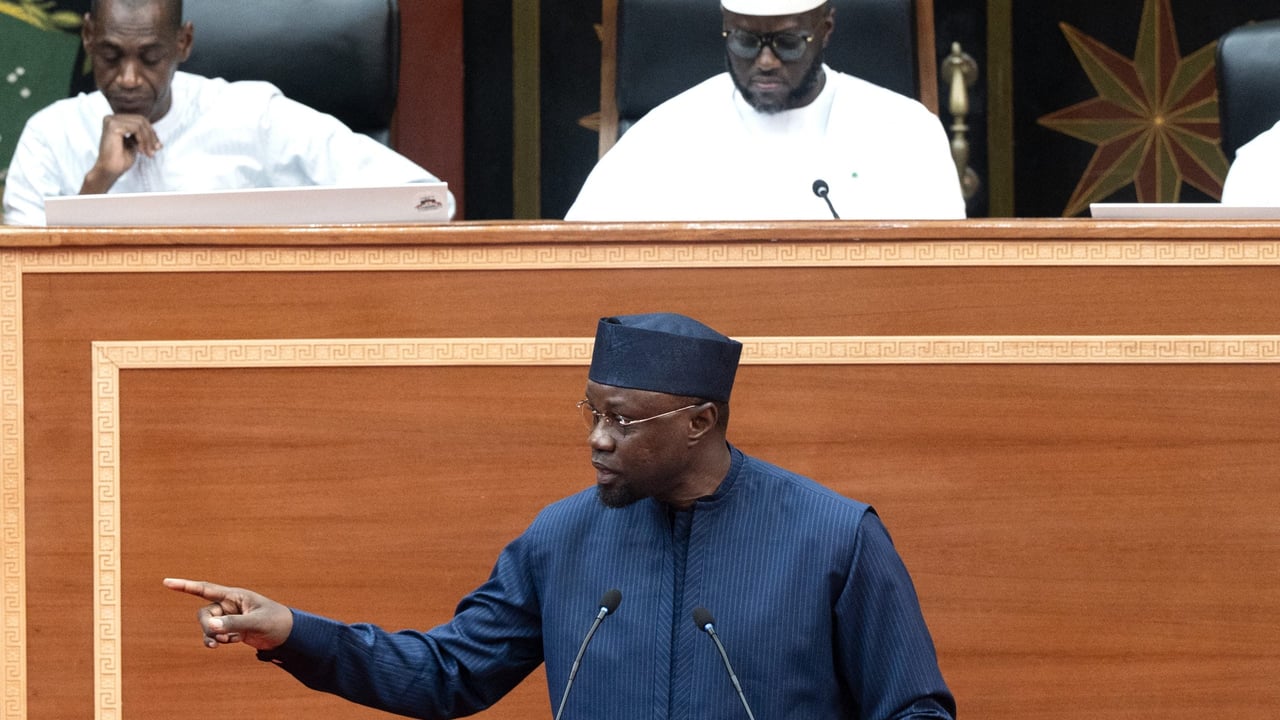
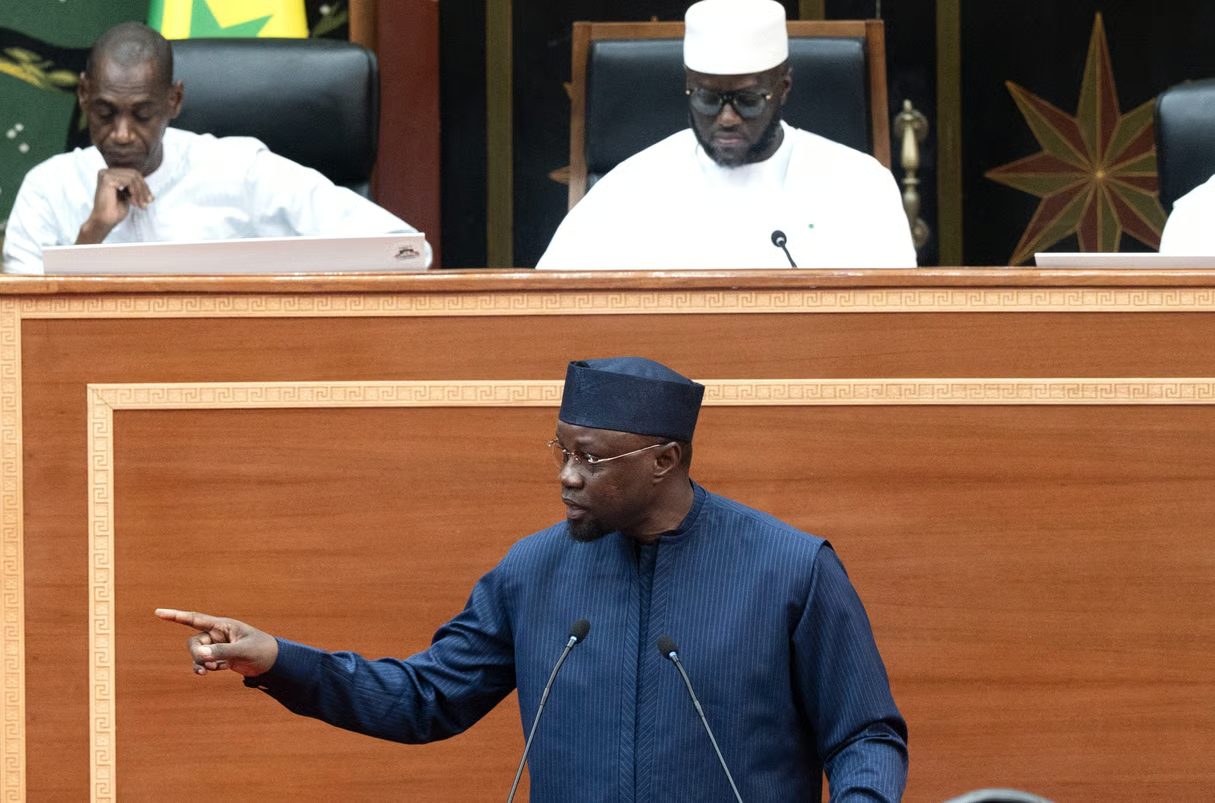
During a heated parliamentary session in Dakar, Senegal’s Prime Minister Ousmane Sonko delivered a firm condemnation of what he described as external attempts to enforce Western ideologies on African societies. His remarks, made before the National Assembly, centered on the issue of LGBTQ+ rights, which he argued were being systematically pushed onto the continent.
In his address, Sonko emphasized that Senegal, like many African nations, holds deep-rooted cultural and religious values that reject homosexuality. He warned that the global push for LGBTQ+ acceptance could undermine traditional family structures and social cohesion. The Prime Minister’s statements come at a time when debates over human rights and sovereignty are intensifying across the region.
a growing debate: sovereignty vs. external influence
Sonko’s speech reflects a broader political and ideological divide in Senegal and beyond. While some policymakers argue that human rights should be universal, others insist that African nations must define their own moral and social frameworks without external interference. The Prime Minister’s stance aligns with a growing sentiment among certain leaders who view Western advocacy for LGBTQ+ rights as a form of neo-colonialism.
public reaction and political implications
The Prime Minister’s comments have sparked mixed reactions among Senegalese citizens. Supporters praise his defense of national values, while critics argue that human rights should transcend borders. Political analysts suggest that Sonko’s stance could strengthen his base among conservative voters but may also complicate Senegal’s international relations, particularly with Western partners who prioritize LGBTQ+ rights.
The debate over LGBTQ+ rights in Senegal is not new, but Sonko’s intervention has brought renewed attention to the issue. As discussions continue, the question remains: Can African nations resist external pressures while upholding human rights?