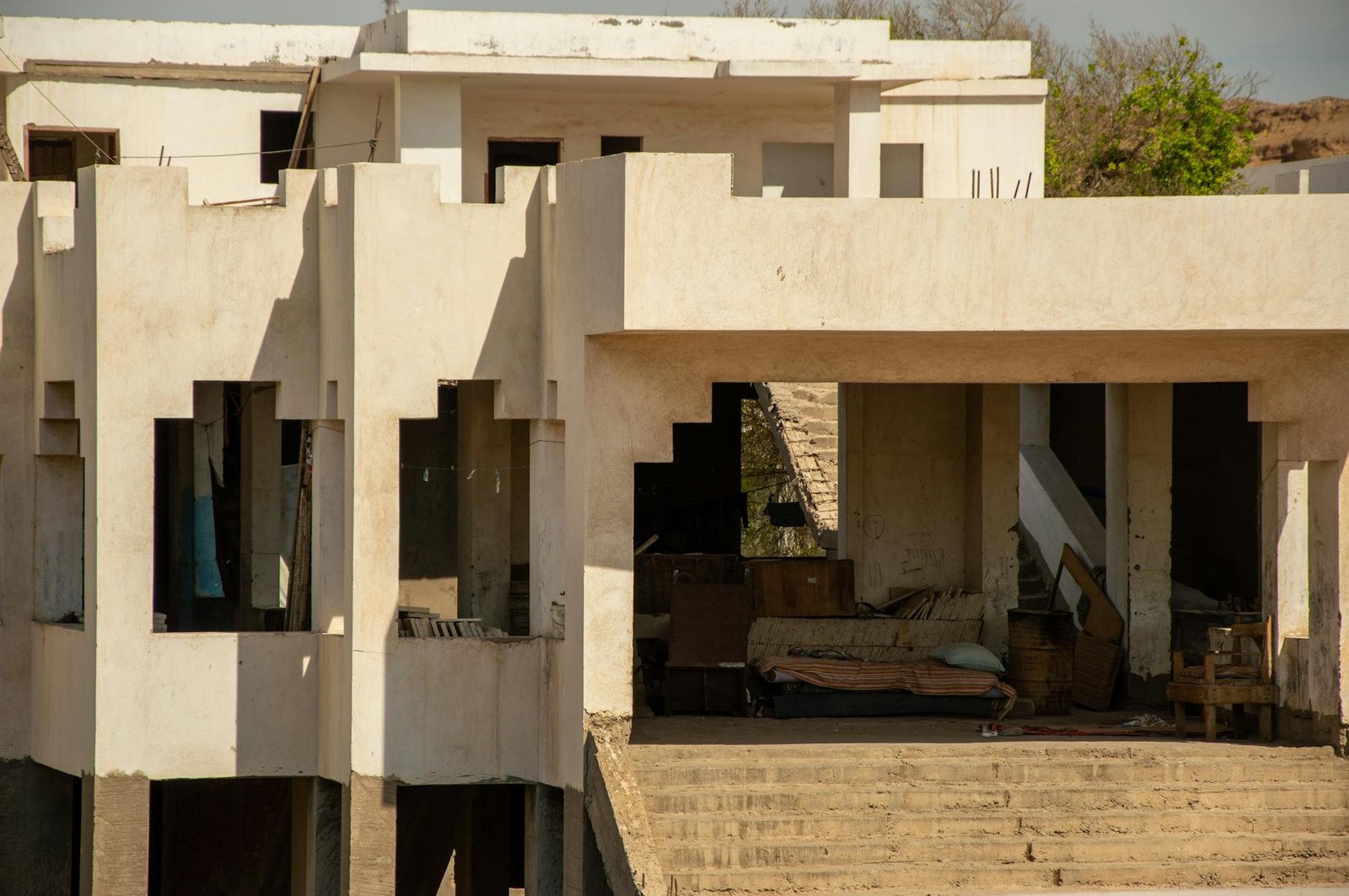
The Senegalese government has launched a comprehensive review of its public assets, focusing on 25 completed yet idle infrastructures that have failed to deliver the expected services. Official assessments reveal these dormant assets represent a staggering 279 billion West African CFA francs—an immobilized budget that yields no economic or social returns. This initiative exposes a persistent flaw in public procurement: the disconnect between project completion and post-delivery utilization.
Targeted audit of underperforming state assets
The assessment prioritizes systematically evaluating state-owned properties, identifying structures left unused despite physical completion. These range from administrative buildings and sector-specific facilities to facilities intended for economic purposes. Such idle assets drain public finances through maintenance costs, security expenses, and accelerated deterioration from non-use. Dakar’s strategy aims to reactivate these infrastructures by reassigning them, sharing resources across agencies, or partnering with private operators. The audit examines each case individually to pinpoint root causes of non-utilization, which commonly include missing operational budgets, absent pre-assigned purposes, or overlooked logistical requirements.
Budgetary pressure drives asset recovery push
This audit aligns with the government’s 2024 agenda, emphasizing financial transparency and expenditure control. Tracing internal savings addresses twin pressures: high debt servicing and reducing reliance on external funding. Redeploying already-paid-for assets worth 279 billion CFA francs mirrors efforts to create fiscal breathing room without new borrowing. The exercise complements ongoing public contract reviews and audits of semi-public entities, reinforcing a clear principle: before raising taxes or greenlighting new projects, existing resources must be optimized. This approach echoes long-standing critiques from the Audit Court, which has repeatedly flagged weak post-delivery management in Senegal’s public procurement.
Governance reforms and accountability in infrastructure projects
The audit transcends mere accounting, probing the fractured governance of infrastructure projects. Delivering a completed structure marks not the end, but the beginning of its economic utility—yet Senegal’s project sequencing often frays between ministries and agencies. International financiers have long stressed the need for streamlined responsibility chains from feasibility studies to service activation. Each of the 25 sites presents distinct pathways: reassigning some to agencies currently leasing private offices could slash rental costs, while others may suit privatization or concession under strict terms. A third option involves addressing missing components—equipment, staffing, or connections—to fulfill original service goals. Decisions will hinge on granular evaluations and pending budgetary decisions.
Reviving these public assets tests the administration’s credibility, demanding transparent progress tracking and verifiable metrics. A successful rollout could serve as a model for neighboring economies grappling with “ghost infrastructure” crises that erode public investment returns.