Senegal’s rising political tensions over western LGBTQ+ influence
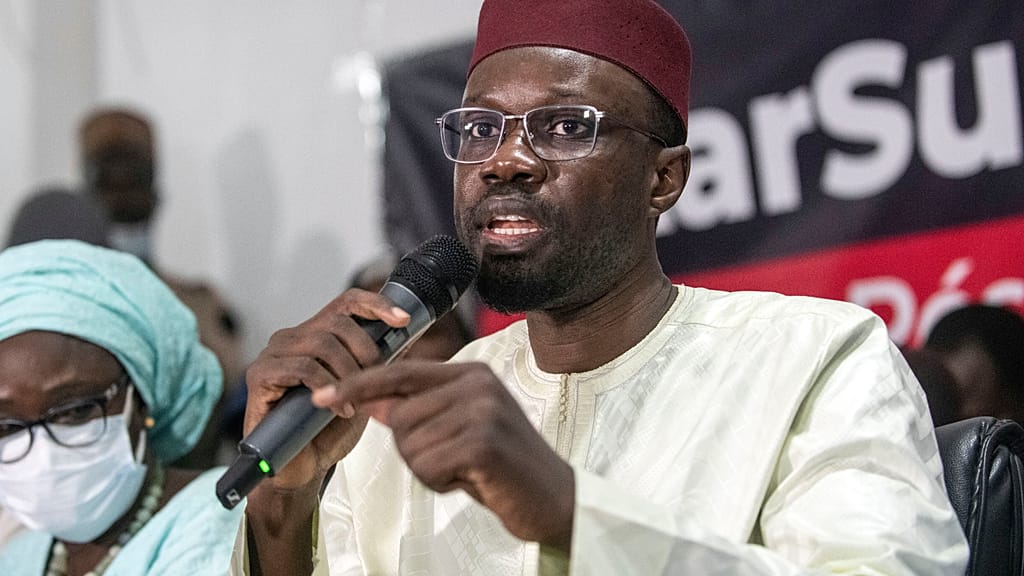
In recent years, the subject of LGBTQ+ rights has become a flashpoint in Senegal, a predominantly Muslim nation where traditional values clash with external pressures. At the forefront of this debate stands political leader Ousmane Sonko, who has sharply criticized what he describes as Western attempts to impose foreign cultural norms under the guise of human rights advocacy.
The controversy surrounding LGBTQ+ issues has intensified as international organizations and Western governments increasingly advocate for the decriminalization of homosexuality—a stance that many Senegalese view as an intrusion rather than progress. Sonko’s public denunciation of this trend has resonated with a significant portion of the population, reflecting broader concerns about cultural sovereignty and national identity.
The Senegalese government has historically maintained strict laws against same-sex relationships, with homosexuality criminalized since colonial times. While some activists argue for reform, the majority of citizens and political figures, including Sonko, contend that LGBTQ+ rights advocacy serves as a Trojan horse for Western ideological expansion rather than a genuine push for equality.
Sonko’s vocal opposition to what he terms the “tyranny of Western values” has amplified existing tensions between proponents of secular governance and religious conservatives. His stance has not only galvanized his political base but also sparked broader discussions about Senegal’s place in a rapidly globalizing world—where cultural preservation often collides with international expectations.
Why Senegal’s stance matters in the global debate
Senegal’s position on LGBTQ+ rights is emblematic of a larger struggle unfolding across Africa, where many nations resist what they perceive as cultural imperialism under the banner of human rights. For Sonko and his supporters, the push for LGBTQ+ acceptance is less about equality and more about retaining control over national values in the face of external pressure.
The debate has also exposed divisions within Senegalese society itself. While urban centers like Dakar may host more progressive voices, rural communities and religious leaders remain steadfast in their opposition to LGBTQ+ rights. This disparity highlights the complex interplay between modernization and tradition in a country where faith and politics are deeply intertwined.
As Senegal navigates this contentious issue, the outcome could set a precedent for how other African nations respond to Western demands for social change. For now, Sonko’s rhetoric has struck a chord with many, reinforcing the idea that national identity must take precedence over foreign influence—even when it comes to human rights.