
Sénégal’s leadership faces pivotal shifts amid economic strain
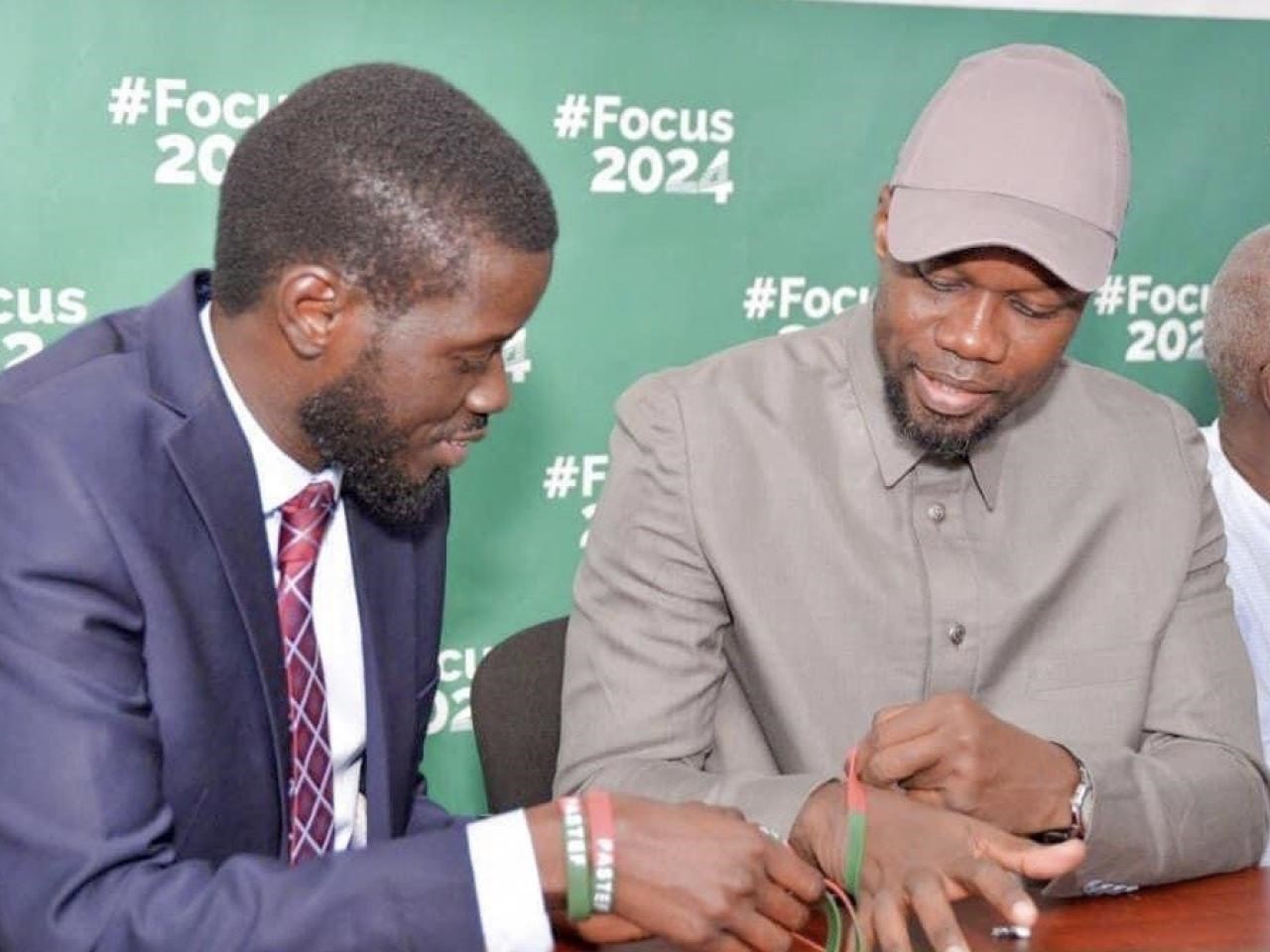
Tensions at the heart of the Senegalese government have escalated after the President relieved Ousmane Sonko of his duties as Prime Minister. The announcement followed a heated exchange between Sonko and members of parliament, signaling deeper divisions within the ruling coalition.
Bassirou Diomaye Faye, the Head of State, had recently sought to calm speculation about an institutional crisis. In a televised address, he reaffirmed his confidence in Sonko, stating that the Prime Minister’s position depended solely on his trust. Yet, within hours, the political landscape shifted dramatically.
The dismissal comes after weeks of growing friction, particularly over debates regarding political funding. Sonko had publicly criticized the existence of such funds, drawing a sharp response from the presidential camp. Just days before his removal, Sonko addressed his supporters, emphasizing the party’s ideological commitment over personal ambitions. The Pastef movement, he argued, remained rooted in sacrifice and service to the nation.
In a strategic move, the President appointed Abdoulaye Tine as the new spokesperson for the Presidency. Tine, also a key figure in the Diomaye Président coalition, replaces a close ally of Sonko, further consolidating the President’s influence within the alliance. The reshuffle underscores the widening rift between the two leaders, particularly over the future of the coalition itself. While Sonko advocates for its dissolution, Faye insists on preserving the platform that secured his 2024 electoral victory.
Economic pressures compound political tensions
The government’s internal divisions unfold against a backdrop of severe economic challenges. Senegal’s public debt has surged to nearly 132% of GDP, and the nation’s credit rating has been downgraded multiple times. Tightening global financial conditions and prolonged negotiations with the International Monetary Fund have intensified pressure on policymakers to stabilize the economy.
The breakdown of a decade-long political partnership between Faye and Sonko marks a turning point for the Pastef. Sonko, barred from contesting the 2024 presidential election, handpicked Faye as the party’s candidate. Faye’s decisive first-round victory—securing over 54% of the vote—highlighted the movement’s broad appeal, even as internal contradictions now threaten its cohesion.