SOGEPA Director Challenges Narrative on Political Funds Allocation
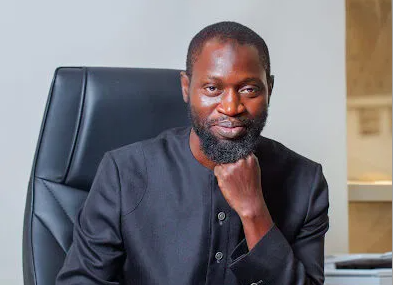
The head of Senegal’s State Property Management and Exploitation Company (SOGEPA), Elimane Pouye, has pushed back against assertions that former Prime Minister Ousmane Sonko was the sole recipient of political funds during his tenure. In a strongly worded commentary, he argues that such claims lack factual basis and oversimplify the use of public resources.
Public Funds Debate Requires Rigorous Scrutiny
Pouye emphasizes that discussions about political financing must be grounded in verifiable data rather than political rhetoric. He points out that comparing annual budgets from 2023 to 2025 reveals a consistent framework for allocations, with variations primarily linked to administrative reorganizations rather than exclusive benefits for any single individual.
The SOGEPA chief highlights what he considers the real breakthrough in this debate: Sonko’s unprecedented public acknowledgment of political funds within the Prime Minister’s office, including their amounts and intended uses. This transparency, Pouye argues, should shift the conversation from speculative claims to constructive oversight of public expenditure.
Transparency Over Controversies
Rather than fixating on daily allocation amounts or periodic disbursements, Pouye urges a focus on how these funds were utilized by previous administrations. He suggests that the public would benefit more from examining budgetary documents than from engaging in divisive political narratives.
The SOGEPA director also calls for a balanced dialogue involving both the parliamentary majority and the presidency. In his view, a robust democratic debate should prioritize evidence over allegations, ensuring that financial accountability remains central to Senegal’s political discourse.
Defending Democratic Discourse
Pouye concludes by praising Senegal’s vibrant institutional debates but warns against attempts to revive outdated divisions. For him, the key to progress lies in productive dialogue that reinforces transparency and democratic governance, rather than in unfounded accusations.