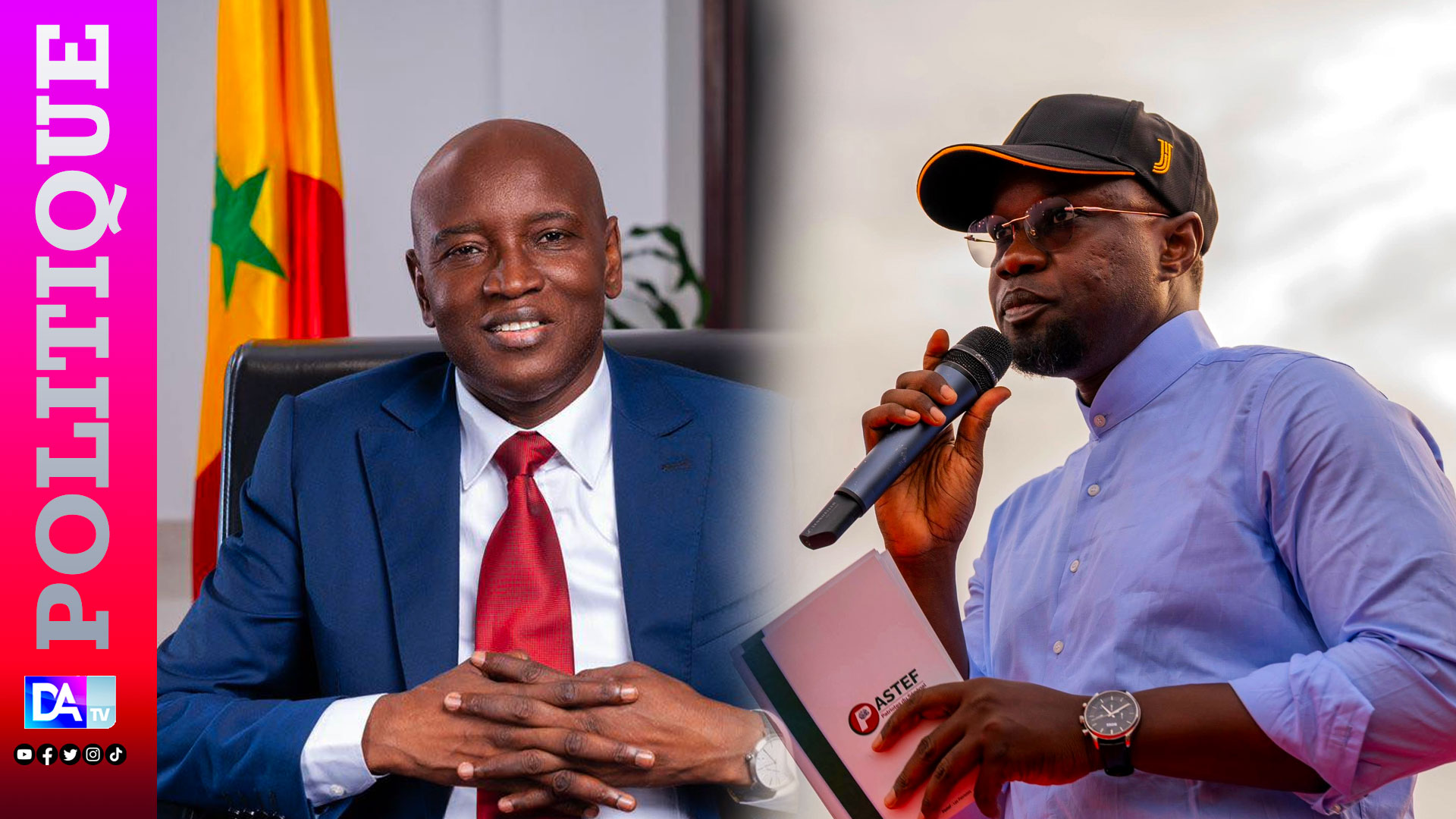
Former minister Aly Ngouille Ndiaye makes bold claims about special funds
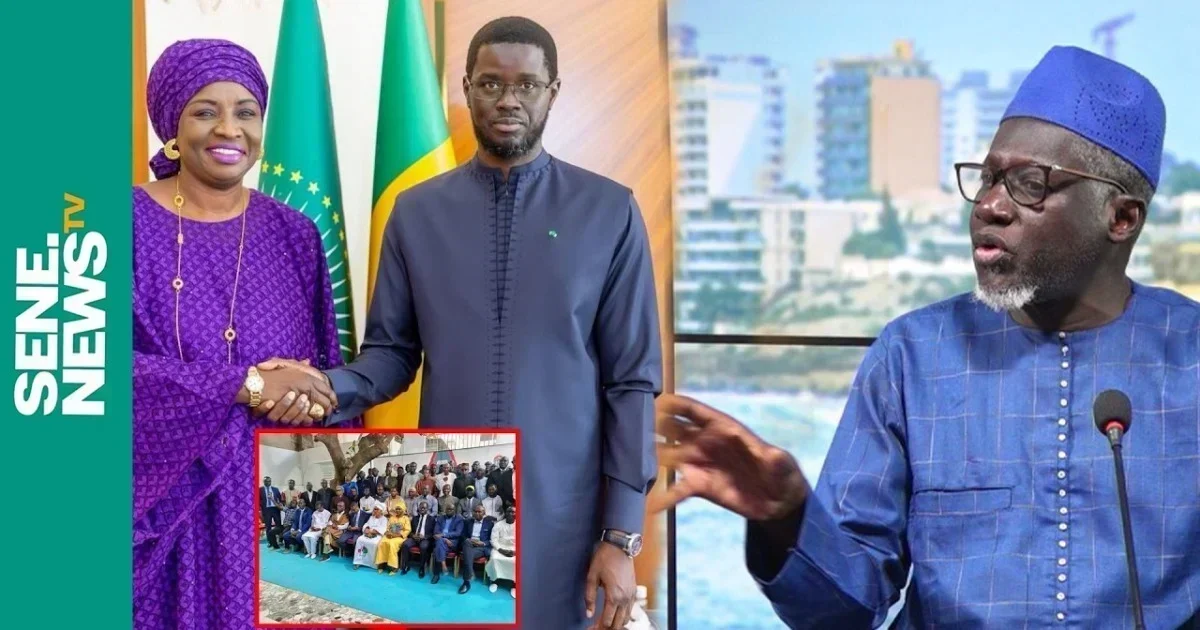
During a live television broadcast, Aly Ngouille Ndiaye, a former minister in the Senegal government, made a striking revelation about the use of special funds under the premiership. He declared that Ousmane Sonko was the first Prime Minister to benefit from these discretionary allocations, a claim that has sparked debate among political observers.
Breaking down the figures: what do the numbers say?
According to Aly Ngouille Ndiaye, the scope of these special funds remains unclear. Some suggest allocations were made per quarter, while others argue they were distributed annually. If the latter were true, Sonko would have received around 8 billion FCFA. However, he pointed out that the initial 1.7 billion FCFA tranche was fully depleted, raising questions about the pace of spending. “If the money was allocated annually and spent within a single quarter, that’s extremely fast,” he noted. “This suggests the funds were not distributed on an annual basis.”
The former minister went further, implying that the rapid depletion of the funds indicates Sonko may have used them entirely during his tenure, leaving little to no reserves for his successor.
Calls for transparency and parliamentary scrutiny
Aly Ngouille Ndiaye did not stop at financial analysis. He also addressed the role of parliamentary commissions of inquiry, stressing that the first step toward accountability should be a clear explanation of how the 1.7 billion FCFA was spent. “If I were in his position, the first thing I would do is clarify how these funds were used,” he stated. “Parliamentary commissions should investigate the expenditure, and that’s how we can determine whether he set a good example.”
His remarks underscore a broader critique of political transparency in Senegal. While officials often pledge to respect institutions, Ngouille Ndiaye argued that actions do not always align with words. “There’s a clear gap between what they say and what they do,” he concluded.