The Government of Senegal has doubled the prison sentences for same-sex relations, raising concerns about human rights in the West African nation.
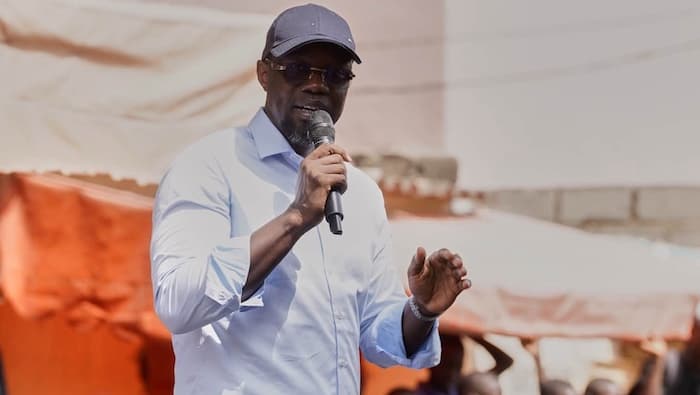
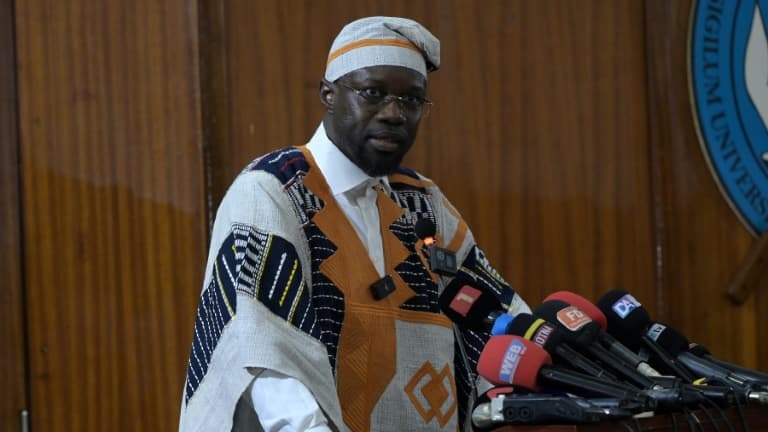
Prime Minister Ousmane Sonko delivered a sharp rebuke against Western nations, accusing them of attempting to “impose homosexuality” on the rest of the world. Speaking before lawmakers, he condemned what he described as “a tyranny” driven by Western values, while firmly rejecting any moratorium on the enforcement of the new legislation.
New legislation doubles prison sentences for LGBTQ+ individuals
In early March, Senegal passed a controversial law that increases penalties for same-sex relations, with sentences now ranging from five to ten years in prison. The legislation was signed into law by President Bassirou Diomaye Faye on March 31, amid growing public debate and rising homophobia in the country.
The move follows a series of arrests for alleged homosexuality, signaling a stricter enforcement of existing laws. Sonko emphasized that Senegal would not bow to international pressure, stating that “if the law needs to be strengthened, it will be.”
“No lessons from the West”
Sonko’s remarks came in response to widespread criticism from Western governments and human rights organizations over the new law. He argued that the West, despite its own internal debates, seeks to “impose its values” on Africa and other regions, adding, “We have no lessons to take from them.”
The Prime Minister also dismissed calls from a group of African intellectuals for a moratorium on the law’s enforcement, calling the request “a reflection of inferiority complexes” among Senegal’s elites. He insisted that the justice system would apply the law “fully and impartially,” with the stated goal of curbing the spread of homosexuality in the country.
Political backing for the law
Same-sex relations remain widely stigmatized in Senegal, and the government’s tough stance on the issue has been a long-standing political priority. The new legislation has resonated with conservative voters, reinforcing the ruling party’s support base in a predominantly Muslim nation.